
Aspen Spring Sustainability Festival
Apr 18, 2025 | 4pm–7pm
Celebrate Earth Day with the Aspen Neighborhood! The inaugural BIG SWAP premieres at this festival! Enjoy catered hors d’oeuvres and beverages, create your own flower …
The campus electric load is forecasted to exceed 80% capacity each day this week. Please reduce electricity from 2 to 6 p.m. this week to protect our overall campus power supply. (sustainable.stanford.edu/power-smart)

Residential & Dining Enterprises (R&DE)'s sustainability commitment is embedded in leadership, daily operations, and collaborations with students and faculty. R&DE leads pioneering food research, co-founding the Menus of Change University Research Collaborative and the R&DE Stanford Food Institute. The flagship “Give & Go” program diverts over 70 tons of reusable materials from landfills annually, supporting the student community and reducing waste.
Celebrate Earth Day with the Aspen Neighborhood! The inaugural BIG SWAP premieres at this festival! Enjoy catered hors d’oeuvres and beverages, create your own flower …

Ideas to reduce the climate impact of your food choices on campus.

Donating excess edible food is required by California law. Explore ways to reduce food waste from the start and learn how to plug into campus food recovery efforts.

Stanford’s food research collaborative has increased its goal to a 40% cut in protein-related emissions by 2030 after already achieving a 23% reduction.

Discover how to give a second life to your stuff and obtain gently used items for free.
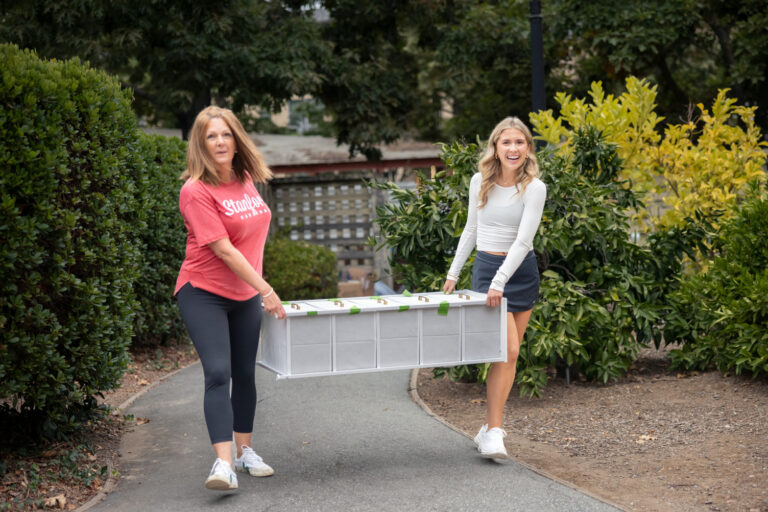
Guide to reduce your environmental impact as you move onto Stanford’s campus.

Stanford’s new climate governance framework drives long-term, collaborative leadership for ambitious climate action.

Stanford’s dining and residences have been celebrated for innovation in sustainability.

As you leave campus, use these resources to save time, reduce waste, and donate to local communities.

Stanford’s R&DE team discovered widespread toilet valve leaks in EVGR, with 65% of toilets potentially affected and wasting thousands of gallons daily.