Top 3 Ways to Use AI More Sustainably
Individuals can reduce their emissions impact by assessing how AI is used in their workflows.

Individuals can reduce their emissions impact by assessing how AI is used in their workflows.
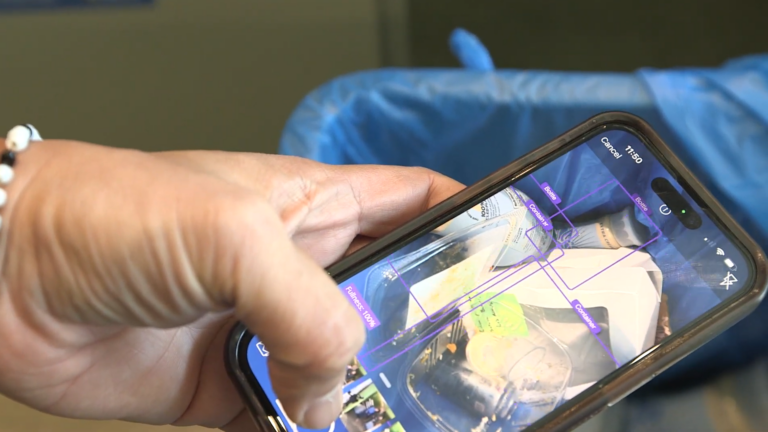
Stanford uses machine learning to translate routine waste-handling photos into information campus teams can act on.

Info about the wide range of goods and services is spread across a number of sources, and machine learning helps Stanford make sense of this data.

Stanford is testing whether machine learning can close the gap on making lower-carbon design decisions during initial planning stages.
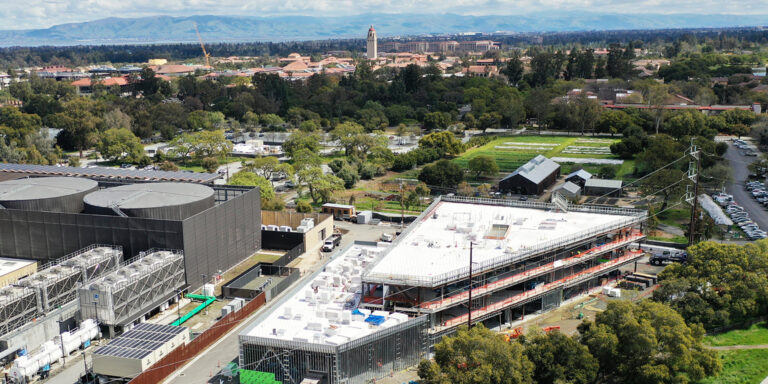
Ponsu Muthuraman ’26 evaluated the use of a machine learning tool to improve construction carbon emission estimation.
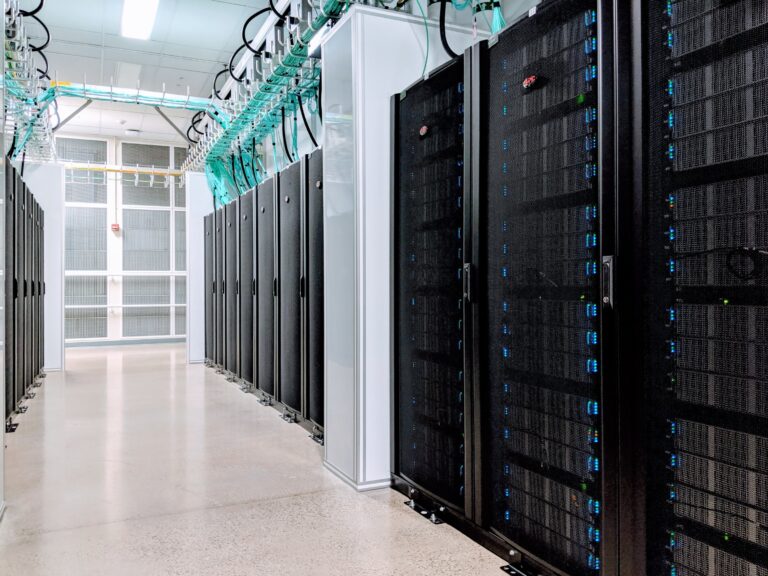
Danica Sun ’28 explored smarter resource use for one of Stanford’s major computing clusters.
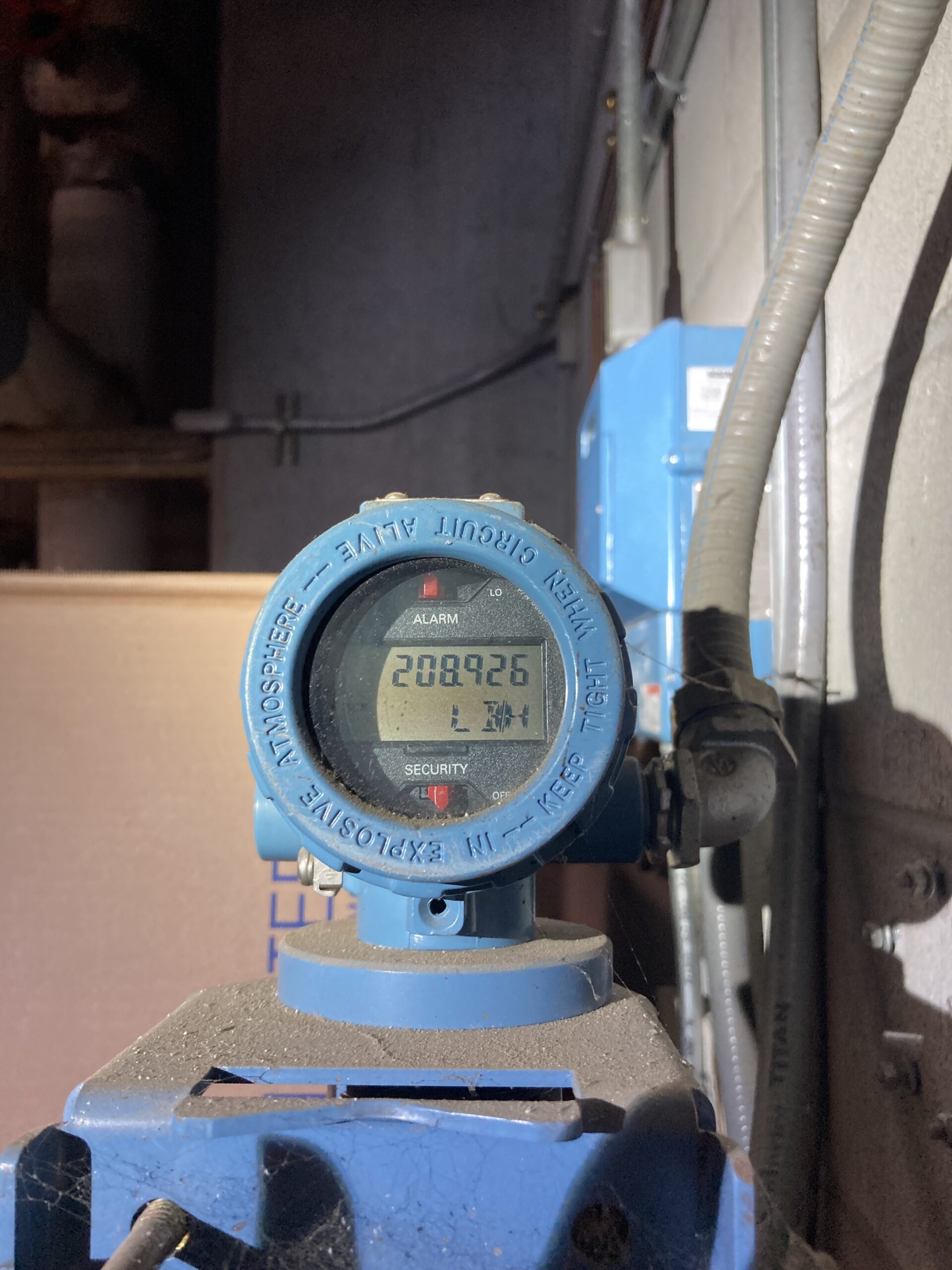
Rachel Porter, PhD candidate, investigated alternatives for reducing reliance on Stanford’s natural gas-fired steam plant.
From sustainable beats and food recovery leaps, the year 2025 set a new standard for Stanford traditions and operations.

Learn about opportunities that will benefit your home life. To reduce carbon emissions, focus on electrifying and moving away from gas.

The Stanford Alumni Association’s Travel/Study program is rethinking how alumni move through the world—literally.