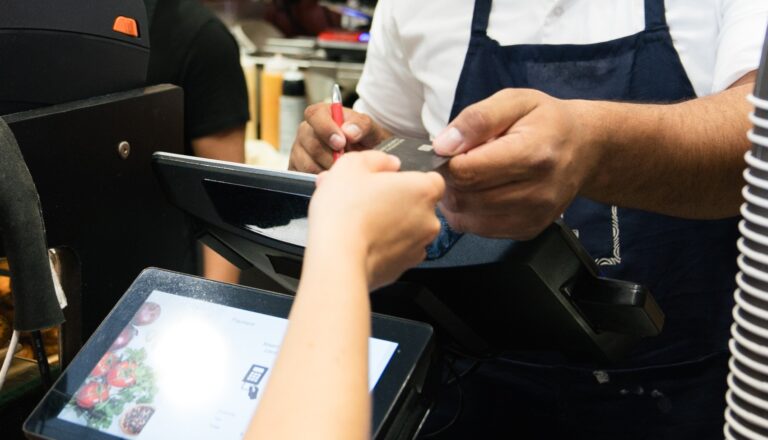
Measuring the Carbon Footprint of Purchasing with AI
Info about the wide range of goods and services is spread across a number of sources, and machine learning helps Stanford make sense of this data.

Info about the wide range of goods and services is spread across a number of sources, and machine learning helps Stanford make sense of this data.
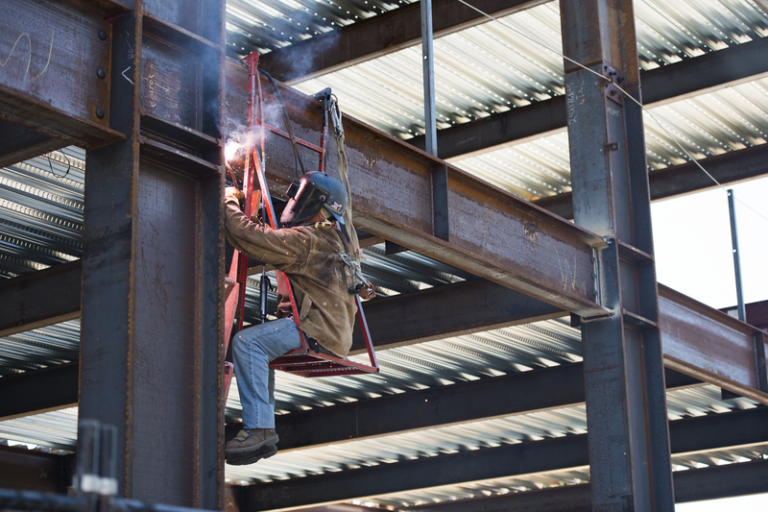
Stanford is testing whether machine learning can close the gap on making lower-carbon design decisions during initial planning stages.
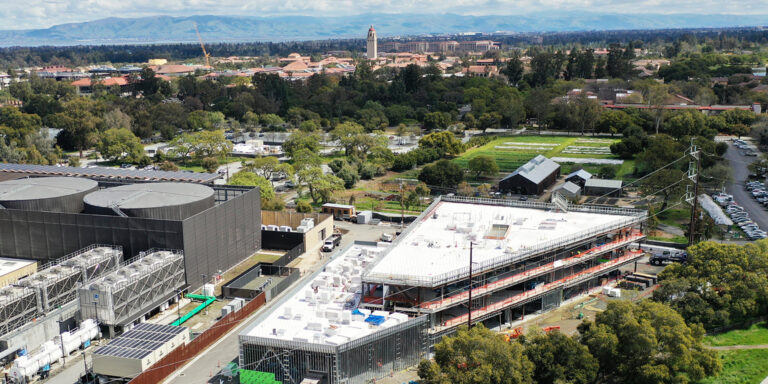
Ponsu Muthuraman ’26 evaluated the use of a machine learning tool to improve construction carbon emission estimation.
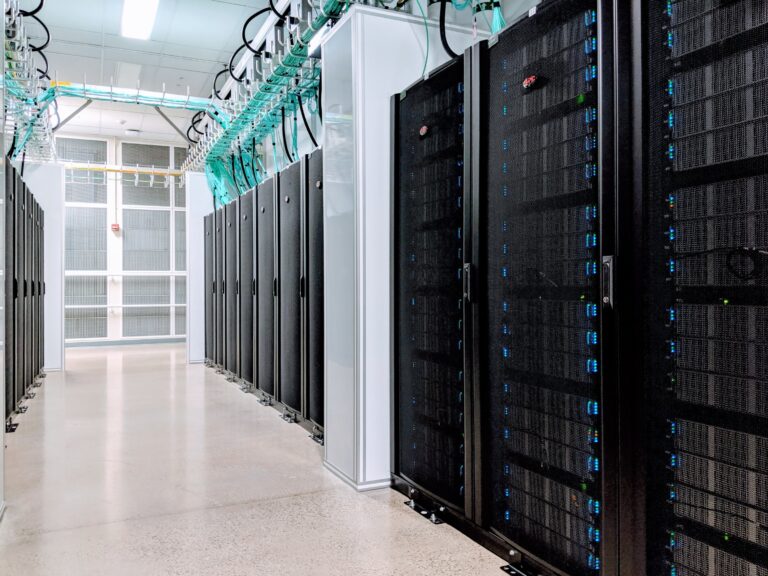
Danica Sun ’28 explored smarter resource use for one of Stanford’s major computing clusters.
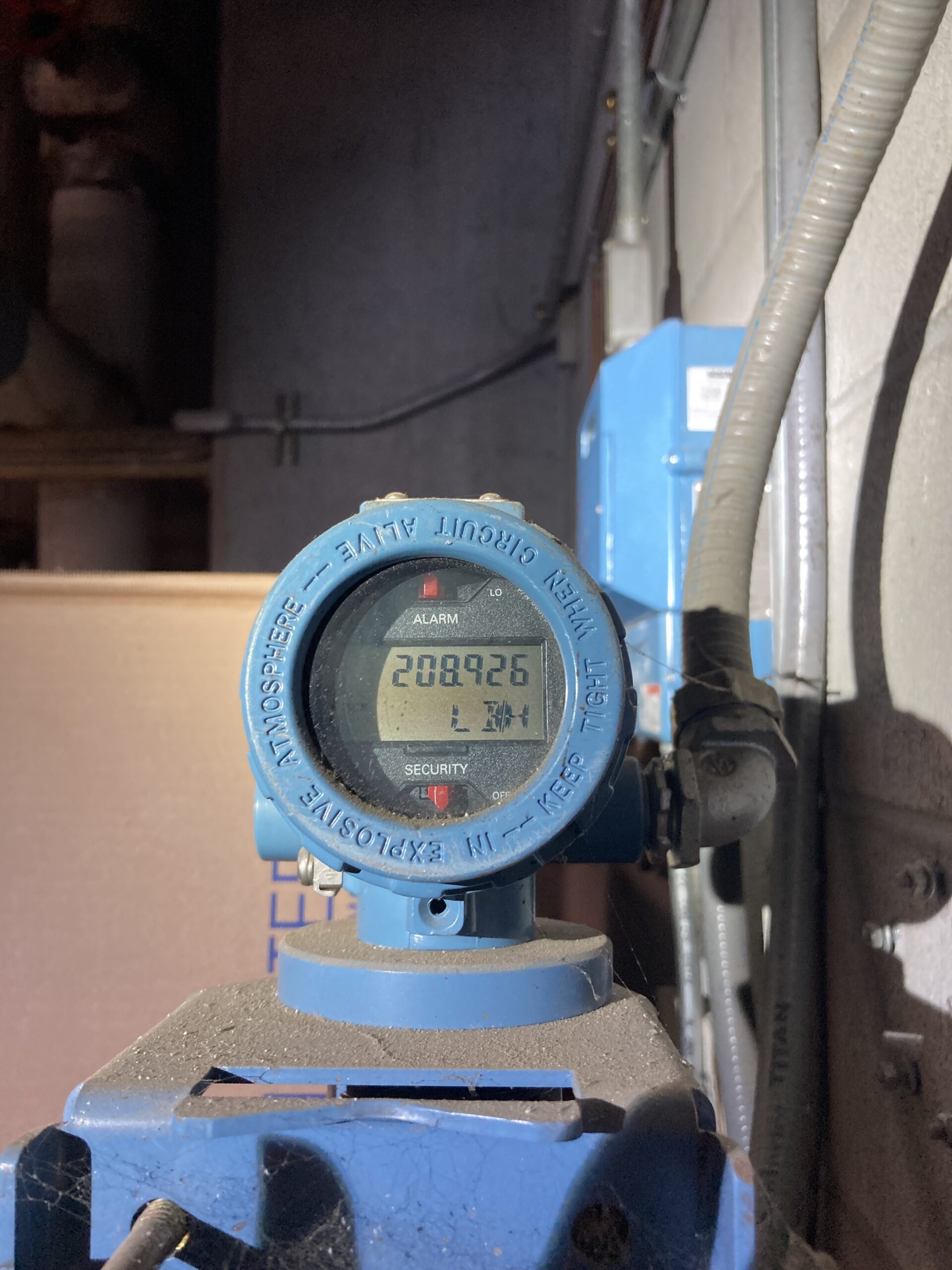
Rachel Porter, PhD candidate, investigated alternatives for reducing reliance on Stanford’s natural gas-fired steam plant.

From stakeholders’ willingness for trade-offs to a green game plan, the student interns and fellows presented on their operational accomplishments from the year.

Rebates are available for choosing energy-efficient models for ultra-low temperature freezer or ice machines.
Join Green Chemistry experts from Millipore Sigma to learn about embodied carbon in the chemicals industry. Through real-world case studies, we will examine major sources …
This session is helpful for employees who manage funds and make purchases for their team or department. This information session will highlight topics such as:

Learn about opportunities that will benefit your home life. To reduce carbon emissions, focus on electrifying and moving away from gas.