
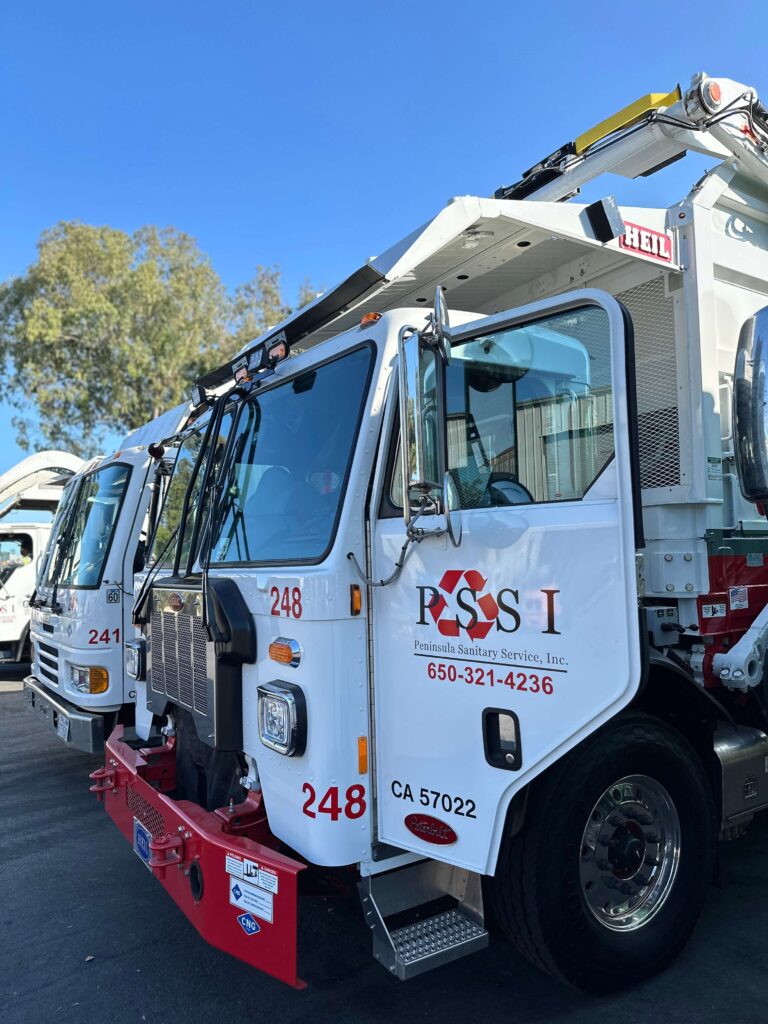
New Tech Increases Safety and Identifies Contamination
Stanford’s new contract with PSSI introduces a fleet management system that uses cameras, sensors, and AI to improve safety, monitor contamination, and optimize waste diversion.
Stanford’s new contract with PSSI introduces a fleet management system that uses cameras, sensors, and AI to improve safety, monitor contamination, and optimize waste diversion.

Stanford maximizes waste diversion by sending recyclables, compost, and construction materials to multiple advanced facilities.
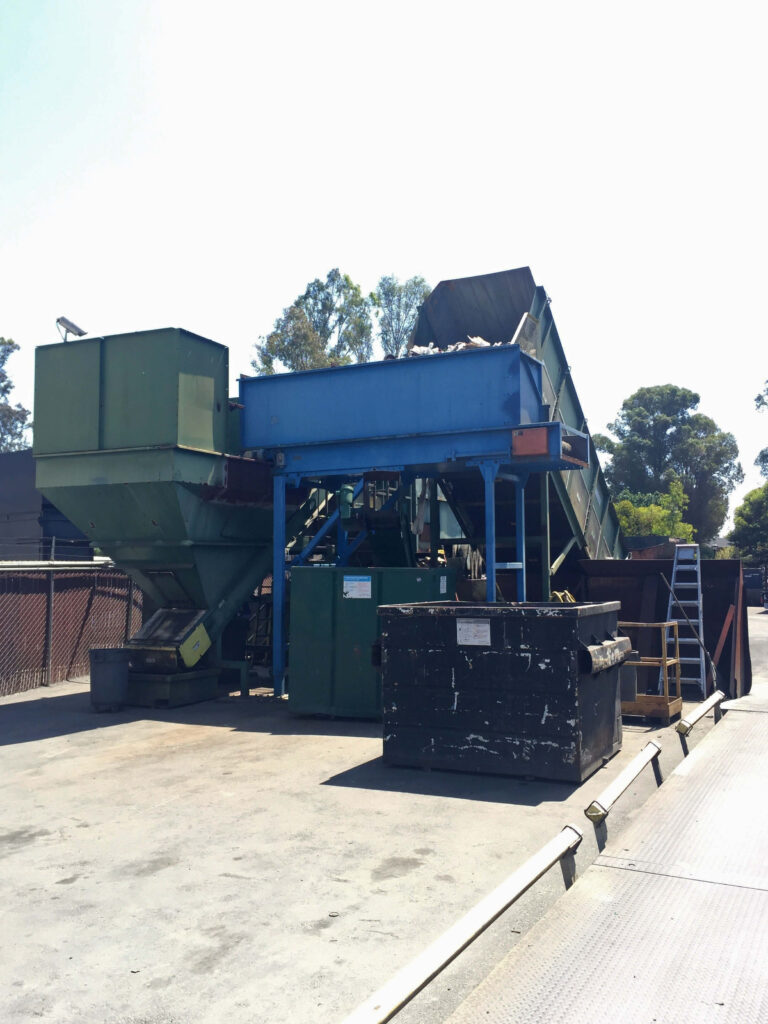
Stanford decommissioned its automated recycling sorting line and donated it to a California company, repurposing the equipment to turn food byproducts into animal feed.
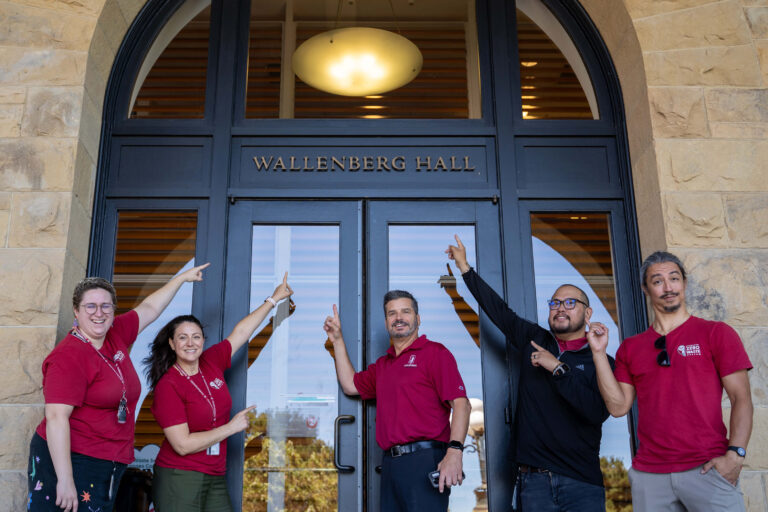
The newly established team brings together expertise on critical pieces of the puzzle to work towards zero waste goals.

Stanford is revolutionizing cleaning with its ozone-based Cardinal Clean system, reducing chemical use by 90% and preventing over 2,140 pounds of plastic waste annually.
All 14 buildings of the School of Medicine now have recycling bins in labs and compost collection in bathrooms, breakrooms, and kitchens.

Stanford received the Outstanding Waste Prevention Award from the California Resource Recovery Association for the innovative Cardinal Clean program.
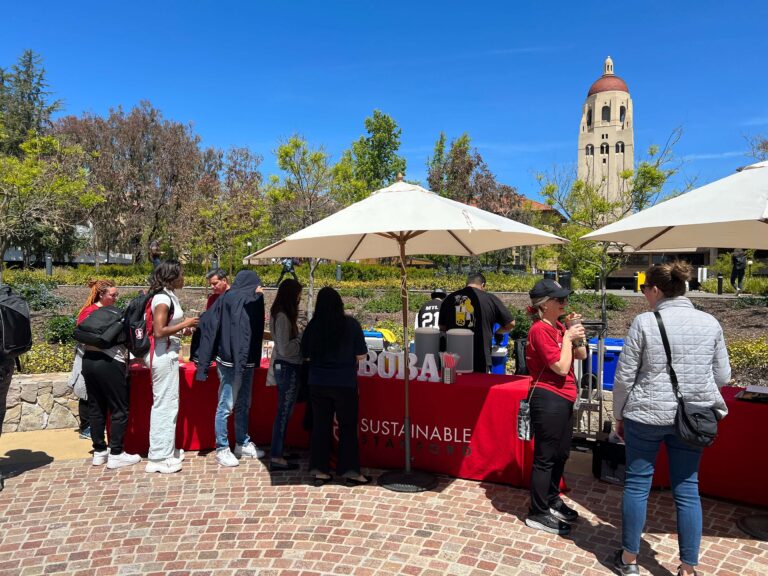
Earth Month 2023 was celebrated with many events, community gatherings, and educational opportunities for a more sustainable future.

The Mudd Chemistry Building has been demolished, with 90% of its waste recycled to reduce environmental impact.
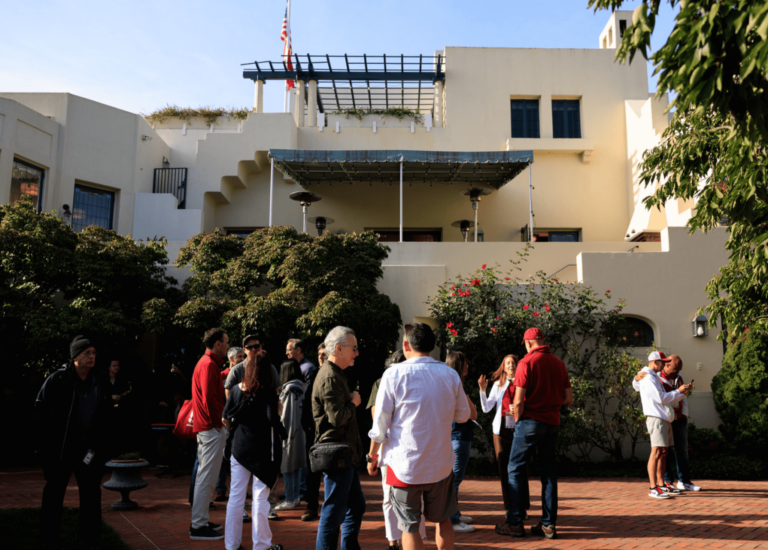
Stanford’s deconstruction of the Lou Henry Hoover Building diverted 2,400 tons of concrete for downcycling, while preserving Lou Henry Hoover’s legacy through two campus landmarks.