
Stanford Leads Coalition Achieving Climate Impact through Food Systems Changes
Stanford’s food research collaborative has increased its goal to a 40% cut in protein-related emissions by 2030 after already achieving a 23% reduction.

Stanford’s food research collaborative has increased its goal to a 40% cut in protein-related emissions by 2030 after already achieving a 23% reduction.

Discover how to give a second life to your stuff and obtain gently used items for free.

Knowledge and ideas to use your leadership role responsibly in Stanford’s sustainable community.

Leverage your purchasing power to promote sustainability.

Elanna Mak conducted outreach to promote the switch from plastic to recycled lab supplies and explored factors impeding sustainable alternatives for compounds.

Tools to support lab personnel in reducing waste and managing waste responsibly.

Stanford has launched a dedicated Responsible Purchasing Department to advance sustainable procurement practices and strengthen supplier partnerships.
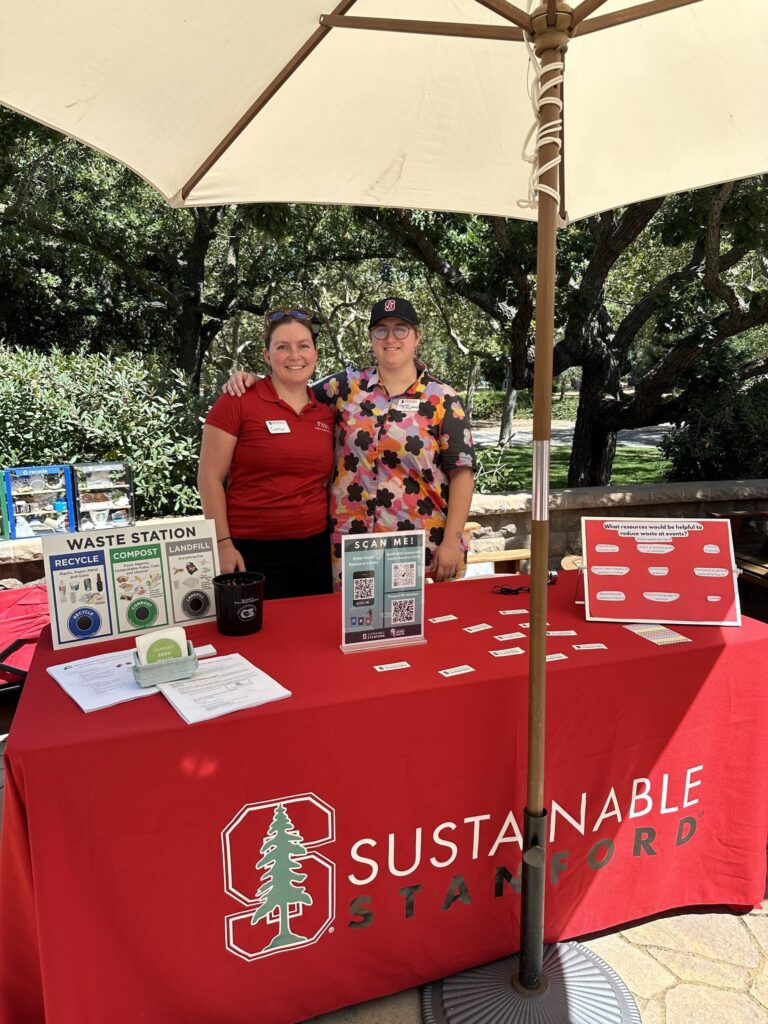
Sustainable Stanford showcased zero-waste event planning tips at the inaugural Event Planners Summit, offering expert advice on waste reduction and sustainable practices.

Stanford brought together over 160 leading experts to discuss climate-focused innovation and environmental justice in the food sector.
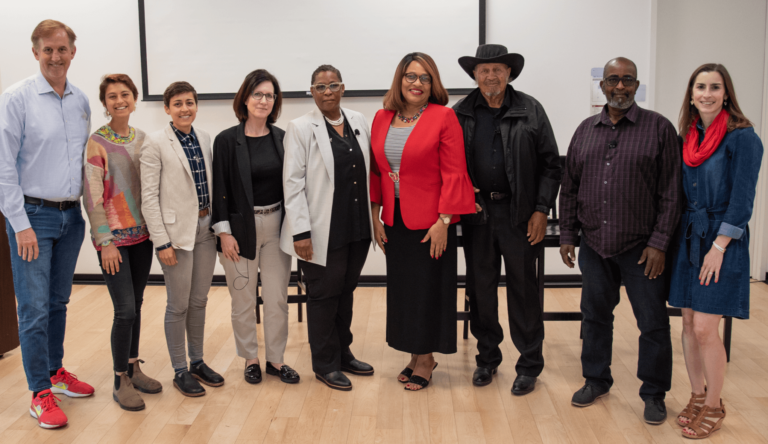
R&DE Stanford Food Institute is advancing diversity, equity, and inclusion by supporting Black farmers through direct purchasing and co-producing toolkits.