
BurnBot Technology for Living Fire Lab
Stanford’s Conservation Program is testing a cutting-edge “BurnBot” to improve wildfire management, using controlled burns to create fire breaks and support ecosystem health.

Land, Buildings & Real Estate (LBRE) is the operational core of Stanford’s physical campus and home to many departments within Sustainable Stanford, including the steward of the Sustainable Stanford brand (the Office of Sustainability), Land Use & Environmental Planning, Transportation, Mail Package Services, Energy Operations, Water Resources & Civil Infrastructure, Buildings, Grounds, & Maintenance, and many more. These groups showcase how planning for sustainability, climate adaptation, and resilience is possible for long-term efficiency, performance, and financial health. Through its day-to-day operations, LBRE lays the groundwork for sustainability innovation to emerge and thrive.
Stanford’s Conservation Program is testing a cutting-edge “BurnBot” to improve wildfire management, using controlled burns to create fire breaks and support ecosystem health.
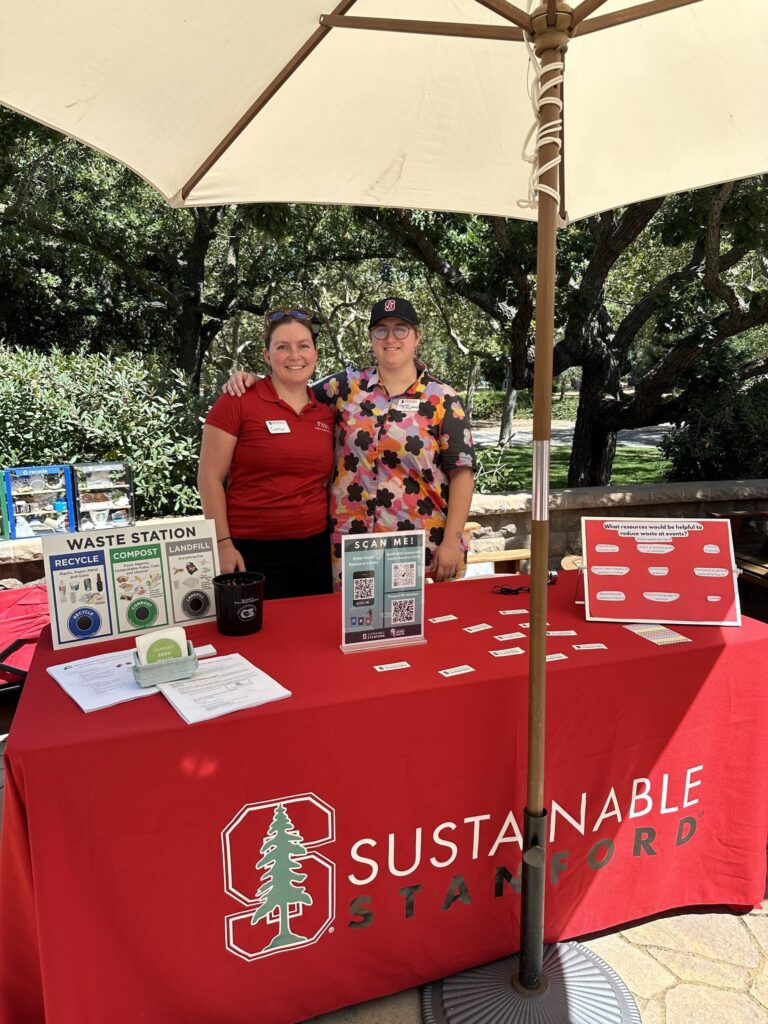
Sustainable Stanford showcased zero-waste event planning tips at the inaugural Event Planners Summit, offering expert advice on waste reduction and sustainable practices.

Stanford joined over 20 Ivy+ schools at the Ivy+ Sustainability Summit in Southern California.

A new study on embodied carbon in construction materials led to new guidelines to help the university meet its net-zero emissions goal by 2050.
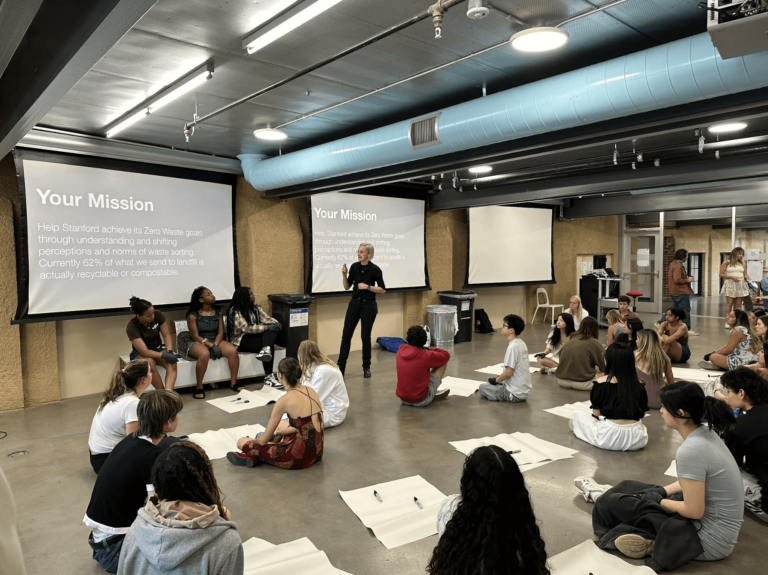
Stanford’s Office of Sustainability partnered with the d.school’s Design 1 course to inspire over 200 student-driven solutions aimed at promoting waste sorting and a zero-waste campus culture.

Sam Bunke, PhD candidate in chemical engineering, developed a framework for addressing waste justice in Stanford’s programs.

In its inaugural year, the Living Lab Fellowship Program fostered cross-campus collaboration, hands-on learning, and lasting impact through 16 student-led operational sustainability projects.
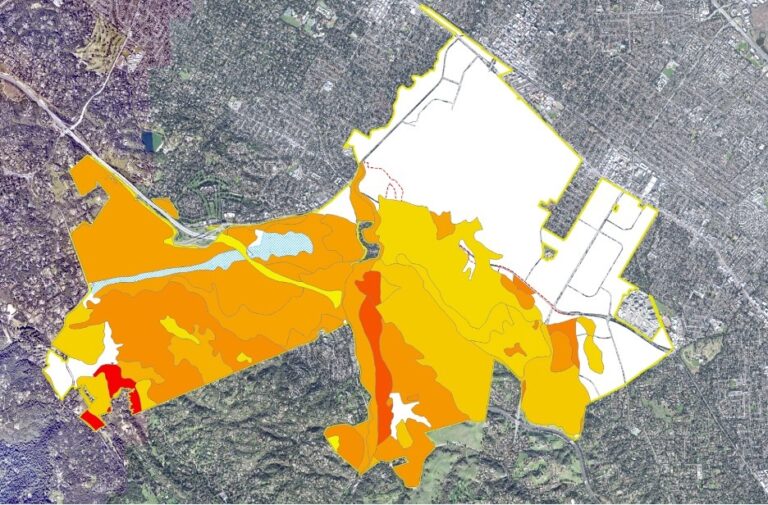
This project developed accurate measurements of carbon stocks in Stanford’s open spaces.

Laura DiMario, Executive Director of Stanford’s Redwood City campus, is leading the way in sustainable building operations by piloting waste-reducing custodial products and championing zero-waste practices across campus.
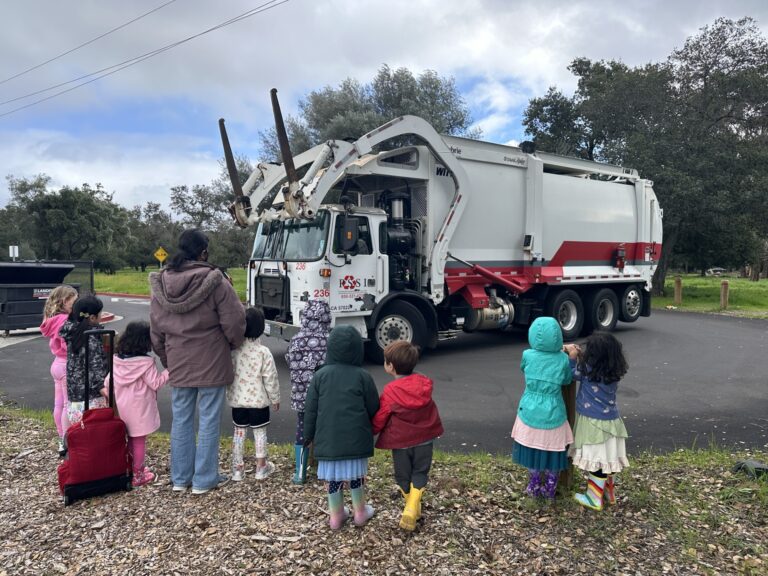
To help celebrate Earth Day, the Office of Sustainability hosted visits of PSSI’s waste truck at child care centers on campus.