Top 3 Ways to Use AI More Sustainably
Individuals can reduce their emissions impact by assessing how AI is used in their workflows.

Land, Buildings & Real Estate (LBRE) is the operational core of Stanford’s physical campus and home to many departments within Sustainable Stanford, including the steward of the Sustainable Stanford brand (the Office of Sustainability), Land Use & Environmental Planning, Transportation, Mail Package Services, Energy Operations, Water Resources & Civil Infrastructure, Buildings, Grounds, & Maintenance, and many more. These groups showcase how planning for sustainability, climate adaptation, and resilience is possible for long-term efficiency, performance, and financial health. Through its day-to-day operations, LBRE lays the groundwork for sustainability innovation to emerge and thrive.
Individuals can reduce their emissions impact by assessing how AI is used in their workflows.
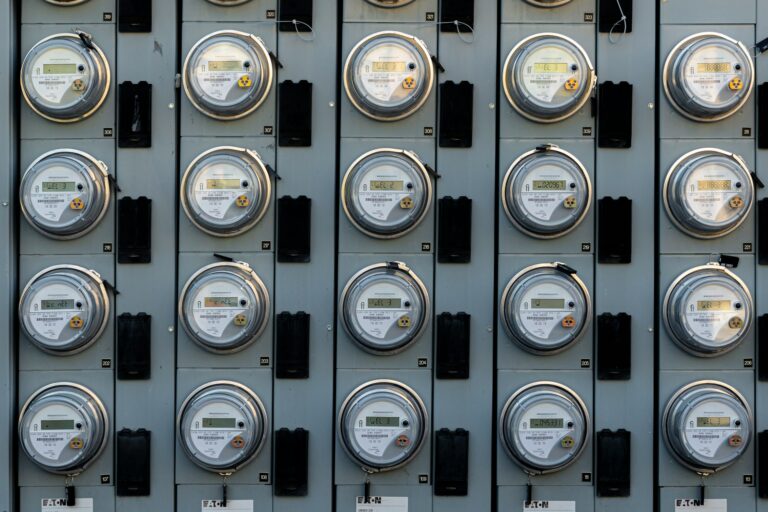
Stanford’s Facilities Energy Management group integrates AI with a foundation of well-maintained data and its own experts.
Great teams don’t cut corners…especially when it comes down to our shared future.
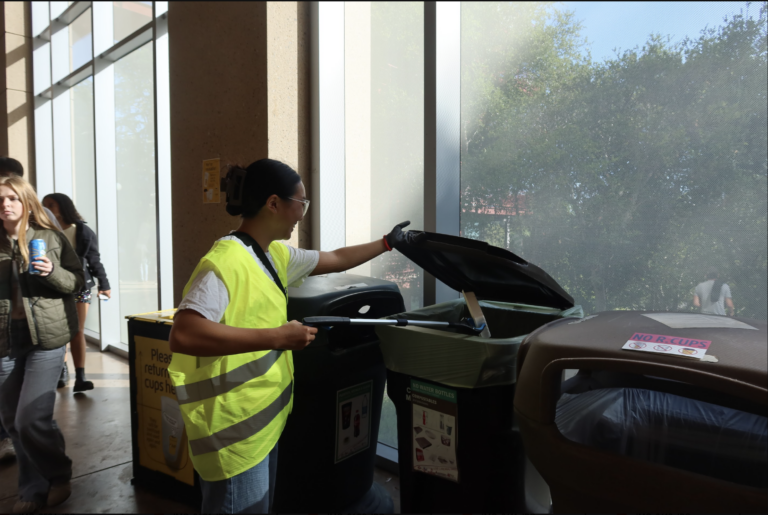
Sorting waste correctly can be a challenge due to varying guidance. Stanford is using AI to make that process simpler.

Stanford uses machine learning to translate routine waste-handling photos into information campus teams can act on.
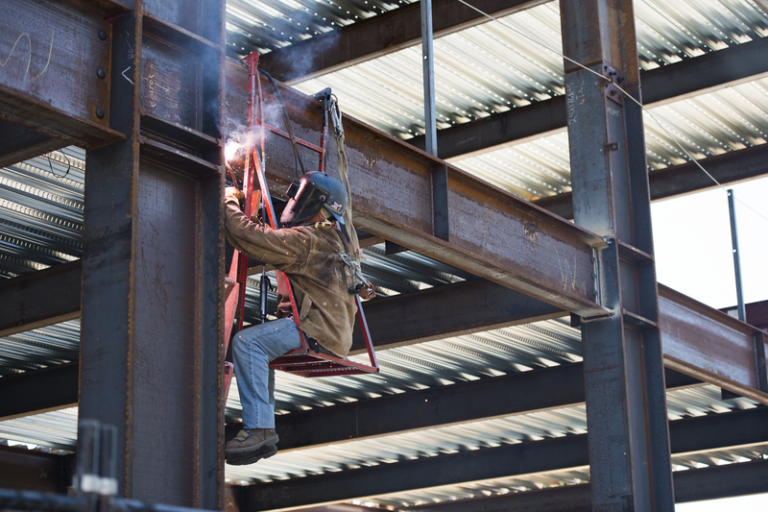
Stanford is testing whether machine learning can close the gap on making lower-carbon design decisions during initial planning stages.
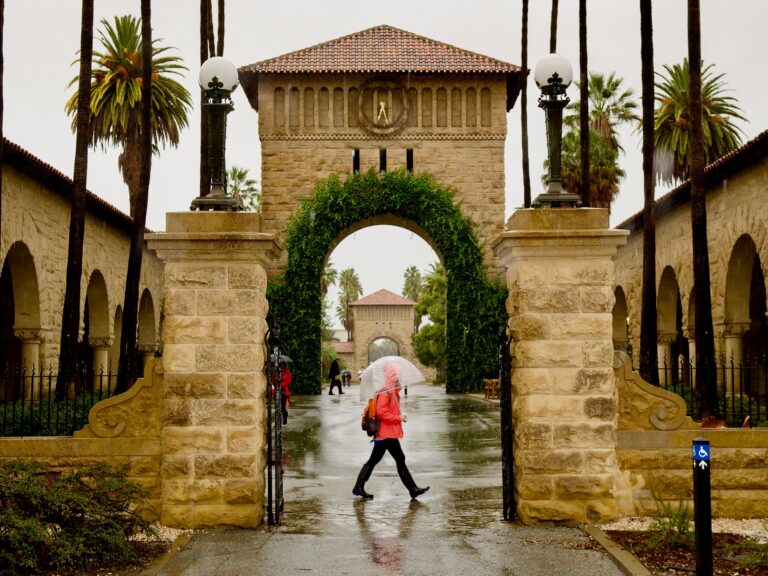
Past infrastructure enhancements for capturing and redirecting rainfall have strengthened campus readiness for winter storms.

Show up in your favorite Stanford gear and get a free reusable water bottle before the game. Giveaway at Gates 2, 5, and 10 while …
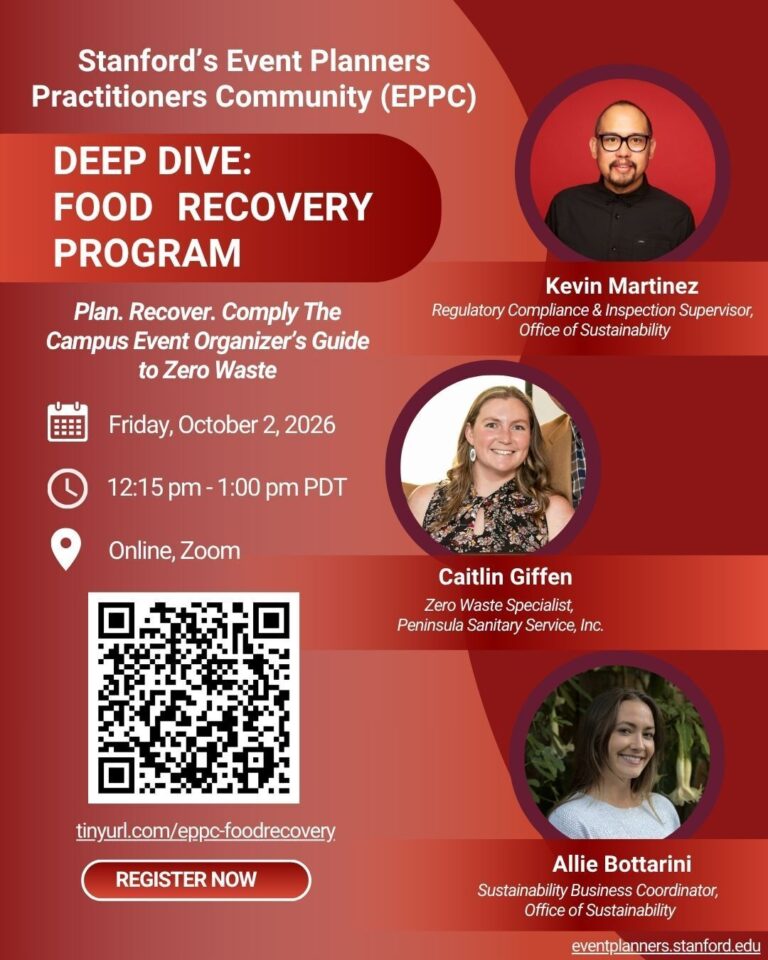
Running a campus event means more than logistics — it means working together to improve processes and reduce food waste. This session will cut through …
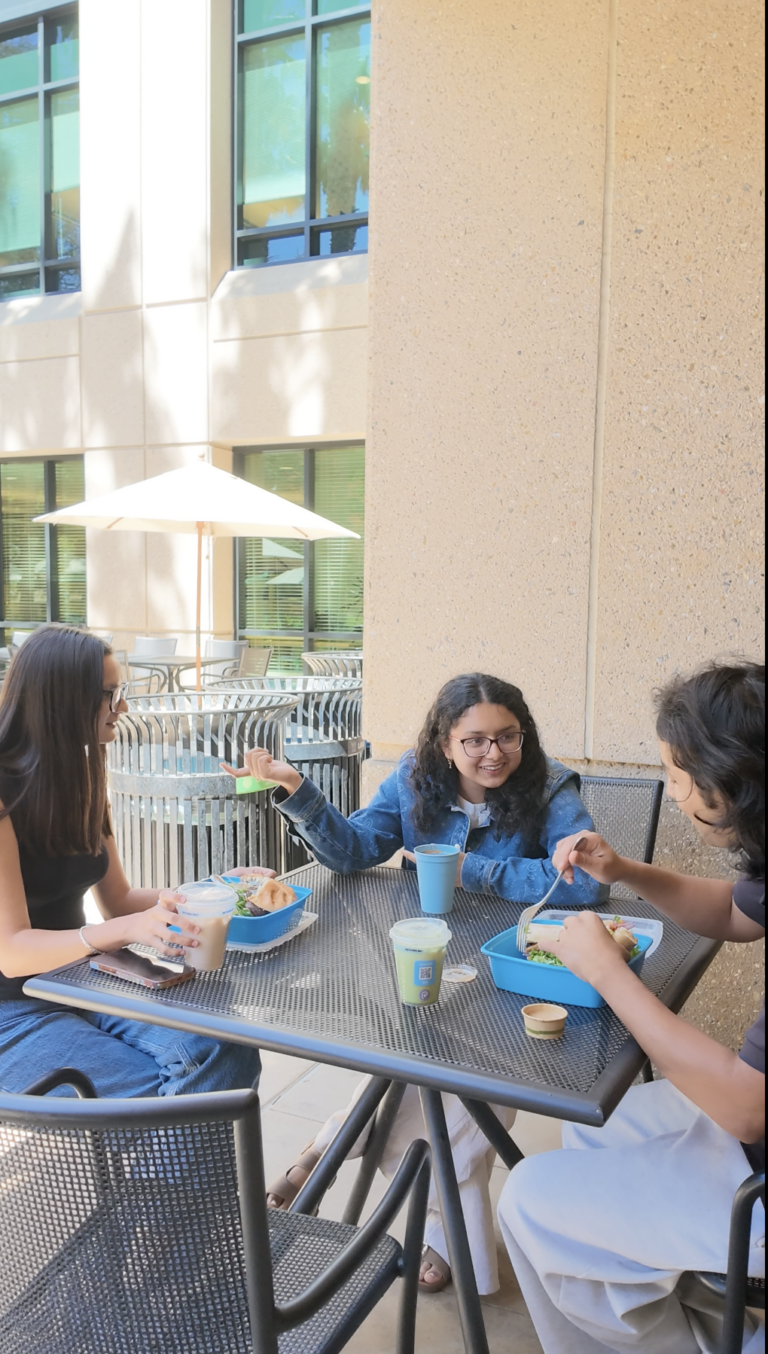
Meet Astha Bhandari ‘26, the Sustainable Stanford fellow getting campus cafés to rethink takeout.