
Campus-wide Electrical Upgrades Help Achieve Climate Goals
Upgrades to Stanford’s electrical infrastructure will help the university reach its goal of operating at net-zero emissions.

Upgrades to Stanford’s electrical infrastructure will help the university reach its goal of operating at net-zero emissions.

Stanford’s Give & Go move-out donation program collected 69 tons of items—26% more than last year—helping divert waste from landfills and support community partners in the process.

Stanford’s Conservation Program is testing a cutting-edge “BurnBot” to improve wildfire management, using controlled burns to create fire breaks and support ecosystem health.

The new Reusable Dish Pilot Program is turning donated dishware into a zero-waste success, making reusable options more convenient and helping shift campus culture.
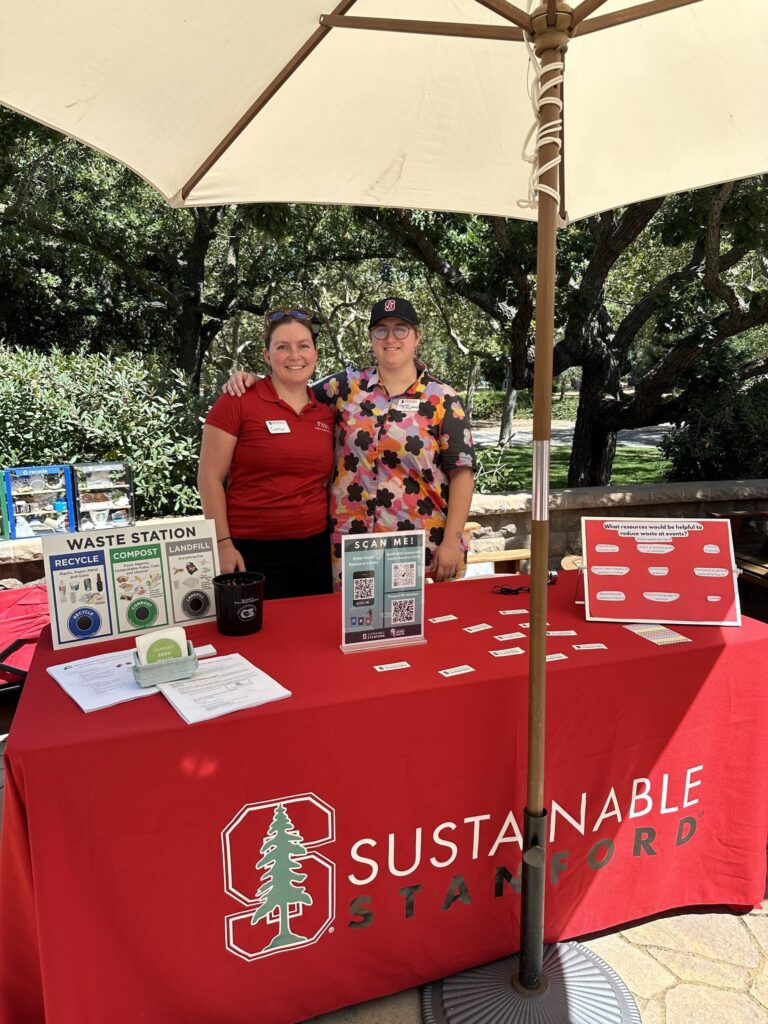
Sustainable Stanford showcased zero-waste event planning tips at the inaugural Event Planners Summit, offering expert advice on waste reduction and sustainable practices.

Stanford joined over 20 Ivy+ schools at the Ivy+ Sustainability Summit in Southern California.

A new study on embodied carbon in construction materials led to new guidelines to help the university meet its net-zero emissions goal by 2050.

Stanford Health Care has earned recognition as a leader in sustainability, receiving one of the first Sustainable Healthcare certificates from the Joint Commission.
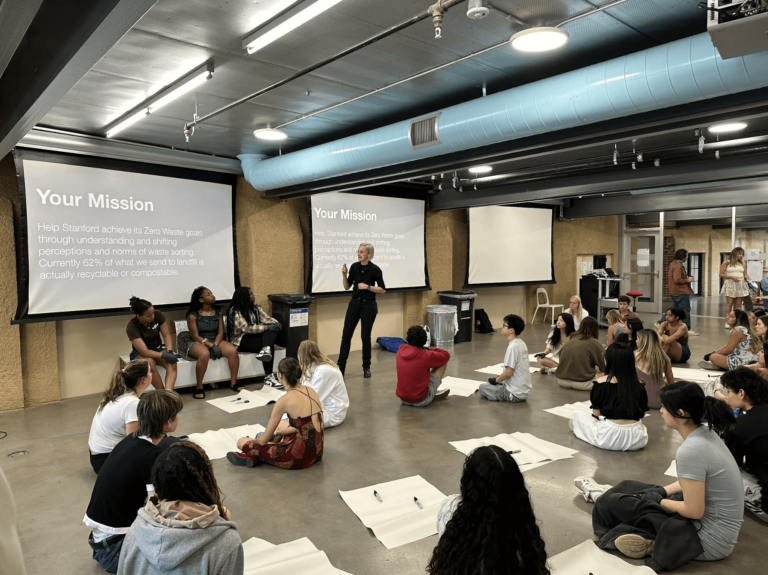
Stanford’s Office of Sustainability partnered with the d.school’s Design 1 course to inspire over 200 student-driven solutions aimed at promoting waste sorting and a zero-waste campus culture.

Joe Amaral is the recipient of the Office of Facilities Planning & Management’s “Hall of Fame” award for his exemplary collaboration and partnership in zero waste.