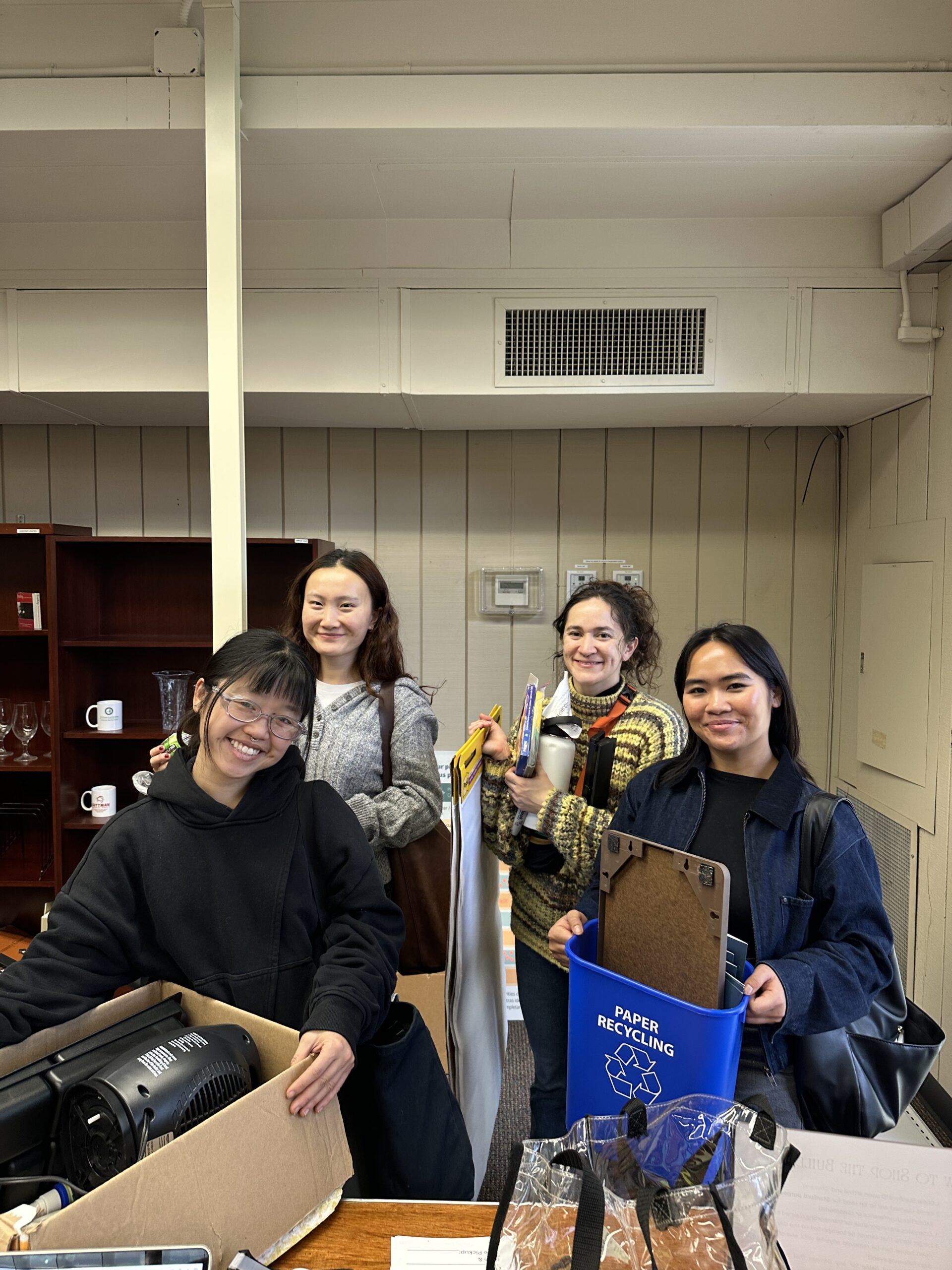
Treasure Hunting at Campus Open Houses Attracts Hundreds
Stanford’s first open houses for decommissioned buildings keep over 3,500 items out of the landfill and back in circulation across campus.

California state law, Senate Bill 1383, mandates the recovery of edible food – this means that all food generators on campus are required to donate any excess.
Preventing edible food waste from the start and distributing excess food to students and staff are the best strategies to comply with the law.
Explore Stanford’s Food Waste Prevention Playbook to learn more.
Utilize Slack channels or other building-wide communications to notify students, staff, and faculty of excess food.
After a successful pilot, Stanford has expanded its food recovery efforts to collect excess food from campus cafes and events and donate to the local community. Using a mobile app, dining halls, cafes, and event planners can schedule free pick-ups of excess food – from beverages to burgers – between the hours of 6 AM and 7 PM. The food is distributed to local food recovery organizations, and data on the number of meals donated and greenhouse gas emissions saved is shared back with the food generators to demonstrate their impact. Contact the Office of Sustainability to start donating.
Learn how to easily start donating food to our community.

The Good Samaritan Food Donation Act protects food donors from liability when donating to nonprofit organizations, as long as the food is given in good faith and is safe to eat.

Stanford’s first open houses for decommissioned buildings keep over 3,500 items out of the landfill and back in circulation across campus.
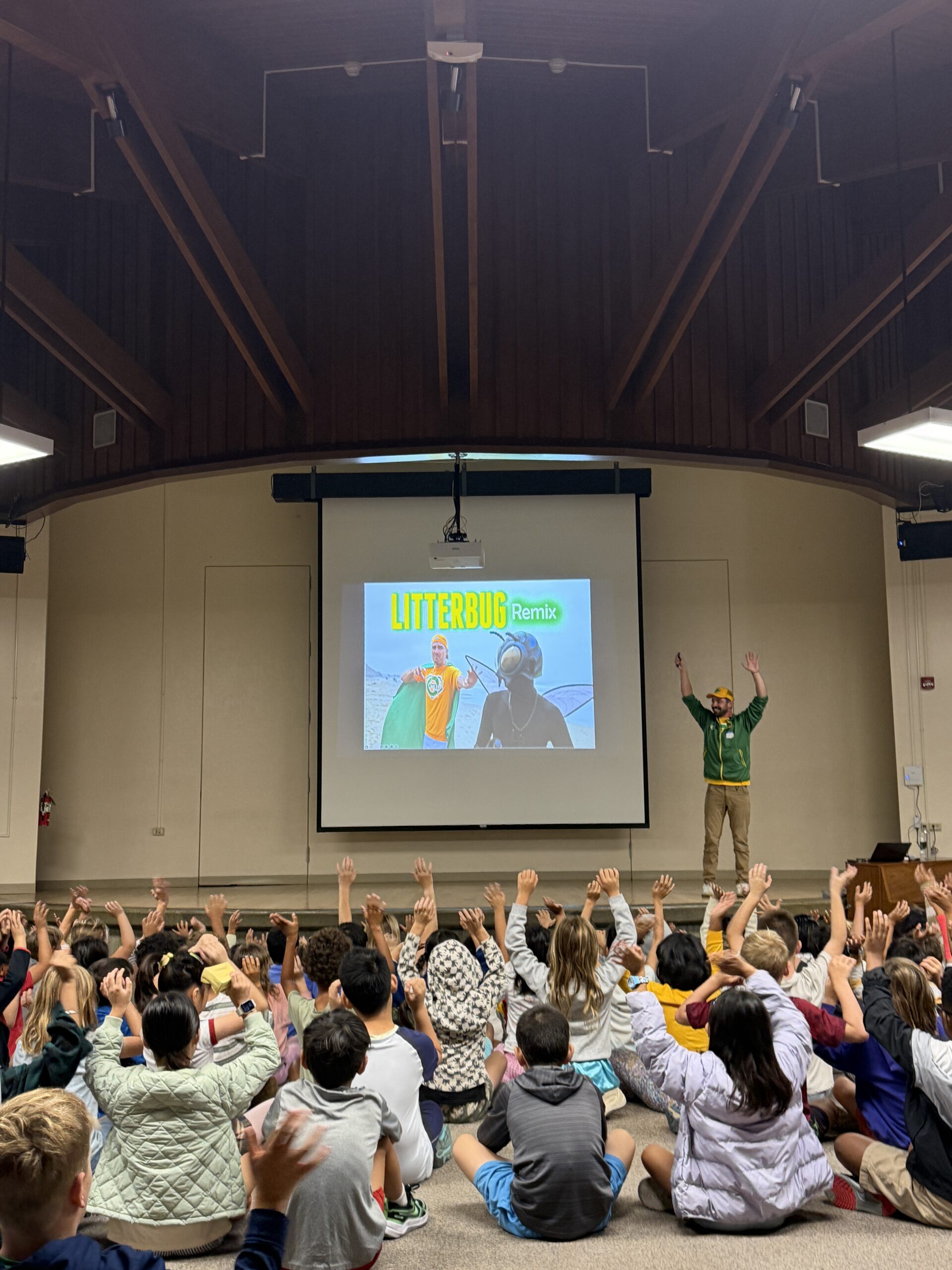
Through music, movement, and memorable lyrics, campus elementary school students discover how everyday choices impact the planet.
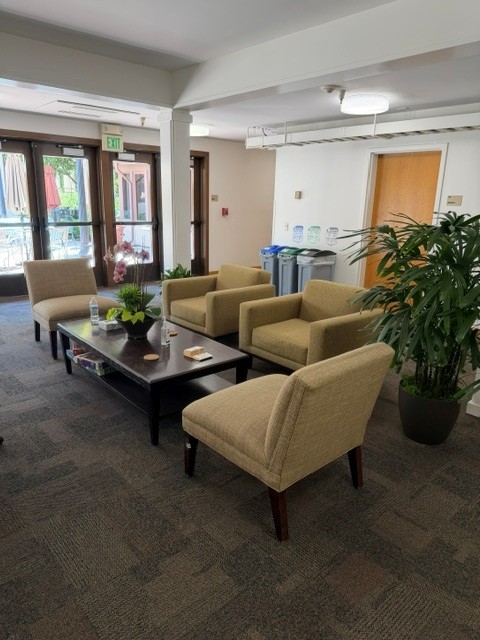
Staff partnerships are turning surplus furniture into practical solutions–saving money, reducing waste, and creating functional spaces without sacrificing aesthetics.