
Be A Leak Detective: Water Wise in EVGR
Stanford’s R&DE team discovered widespread toilet valve leaks in EVGR, with 65% of toilets potentially affected and wasting thousands of gallons daily.

Stanford’s R&DE team discovered widespread toilet valve leaks in EVGR, with 65% of toilets potentially affected and wasting thousands of gallons daily.

New water fill signs, installed in May 2024, acknowledge ancestral land and aim to foster greater awareness of the water’s origins and cultural significance.

Sixty-one Stanford students are driving real change in sustainability through the Living Lab Program, tackling real issues while gaining hands-on experience.

This test event has every option on every category selected. Lorem ipsum dolor sit amet, consectetur adipiscing elit, sed do eiusmod tempor incididunt ut labore …

Stanford joined over 20 Ivy+ schools at the Ivy+ Sustainability Summit in Southern California.

A new enzyme-infused foam to clean air handling coils showed potential for improved energy efficiency and reduced energy use.

Stanford is revolutionizing cleaning with its ozone-based Cardinal Clean system, reducing chemical use by 90% and preventing over 2,140 pounds of plastic waste annually.

Campus water policies minimize waste and follow California guidelines for water efficiency.

The 2022 Annual Water Quality Report details sourcing, treatment, and contamination levels.
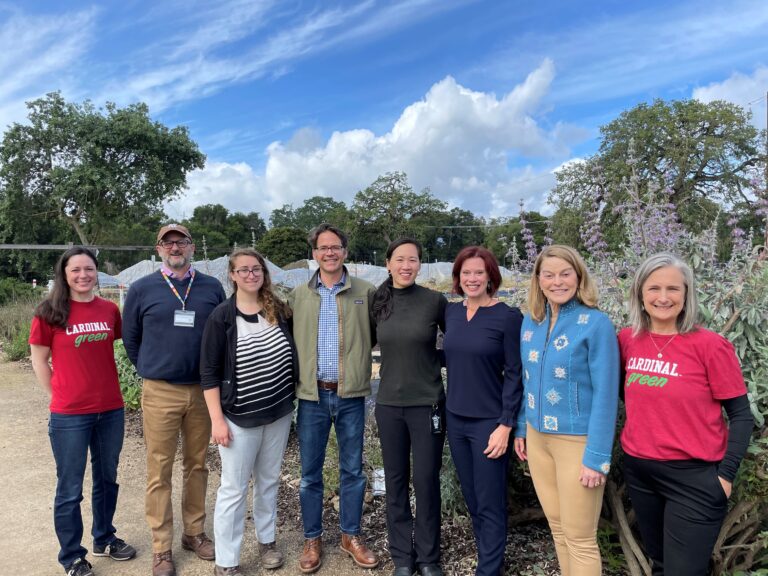
Sustainable Stanford is reimagining the My Cardinal Green sustainability outreach incentive platform.