The Cardinal Green Office Program utilized a building evaluation process to recommend simple steps occupants could take to reduce their environmental footprint, and offered support in implementing those changes. Through the program, savings have varied from building to building, but some have realized a 20 percent decrease in monthly electricity usage. Nearly 100 buildings have gone through the Cardinal Green Office Program for a total energy reduction of more than 160,000 kWh, or $32,000 annually.
The program included an audit of the building, tailored recommendations, and access to an online resource center. The Office of Sustainability (OOS), in collaboration with the Woods Institute and various units in Sustainability, Utilities & Infrastructures, and Zones Management, launched the Cardinal Green Office Program as a platform for Stanford’s schools and departments to educate occupants and implement sustainability practices at the building level. In its last year, more than 30 buildings enrolled in the program.
After the program enrollment process, OOS guided building occupants through the following process to increase sustainability performance on their floor:
- Scheduling an audit of building or floor: OOS worked with individuals or department representatives to visit office spaces and audit for potential energy saving opportunities, such as equipment timers or smart strips. Auditors also looked for opportunities to improve recycling, composting, and water efficiency, and engaged a sample of occupants in targeted conversations about barriers to sustainable behavior in the workplace. After going through the audit process, OOS provided the necessary tools and resources to implement changes in the space. OOS also offered energy and water conservation devices, like smart strips and faucet aerators, at no cost, and occasionally was able to provide other types of financial support.
- Gathering interested colleagues for a kick-off meeting: To successfully incorporate sustainability into everyday operations, a passionate team lead and representatives from purchasing, event planning, and building operations were encouraged to collaborate and share information during this meeting. The agenda consisted of a brainstorm of one to three specific actions that the office could spend the next quarter working on. The team worked directly with OOS and building occupants to create shared goals and foster community engagement and spirit around the selected initiatives.
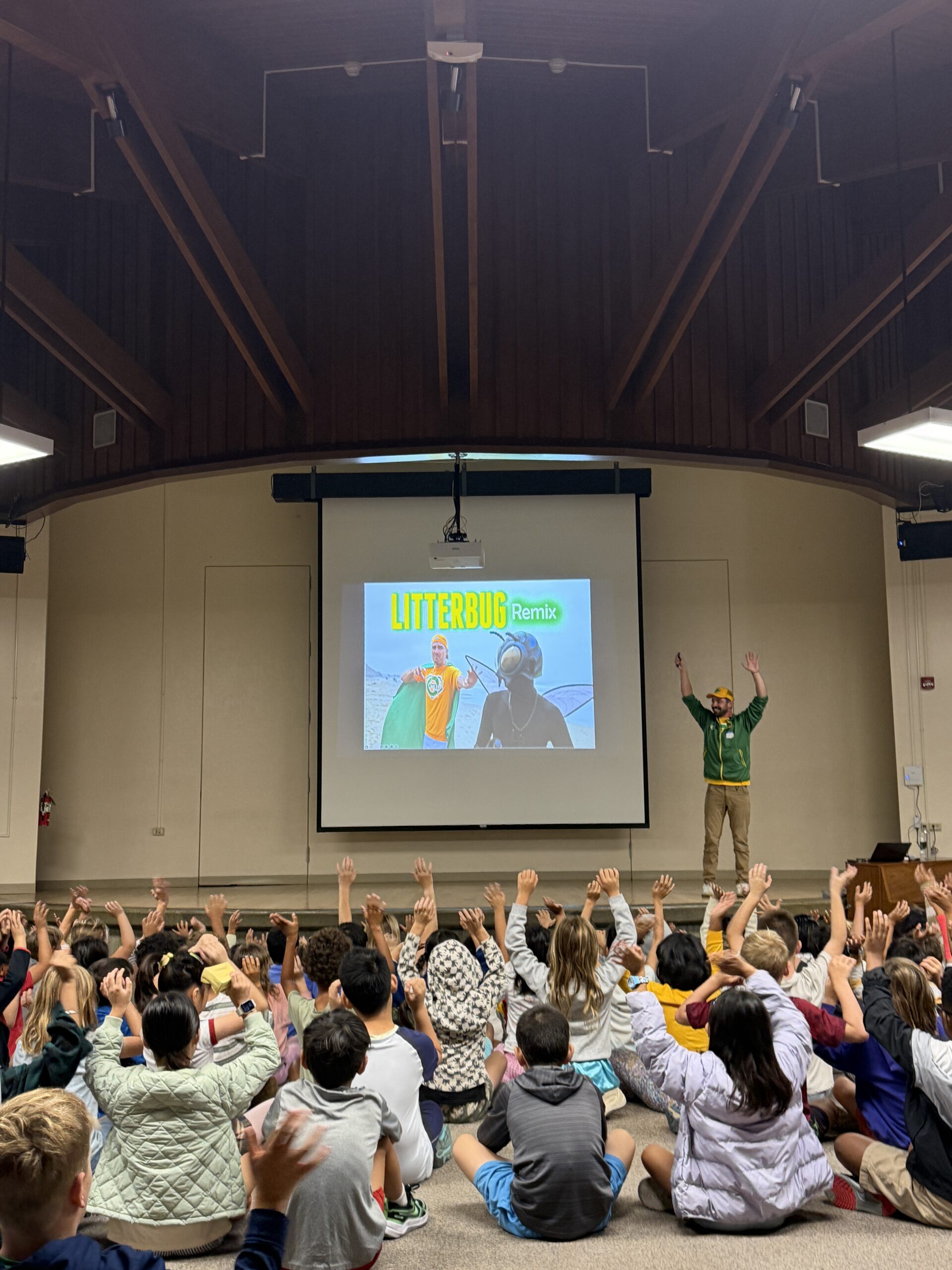
- Scheduling a training: Each training was either a tailored waste training or an energy conservation training. The minimum requirement for attendance was ten people. This was a great opportunity to involve and educate the entire office and introduce the shared sustainability initiatives selected during the kick-off meeting.
- Implementing action and monitoring progress: The targets and goals selected in the kick-off meeting were put into practice over the following quarter. With guidance as well as educational materials from OOS, the green office team typically developed a communication strategy and monitored progress.
- Celebrating success: OOS presented the office with a certificate and a digital email signature to celebrate the achievement of its sustainability target goals.
- Following Up: OOS followed up with the green office team to review additional targets and discuss feasibility of implementation after six months.