
Protected: Improving Waste Sorting
There is no excerpt because this is a protected post.
The campus electric load is forecasted to exceed 80% capacity each day this week. Please reduce electricity from 2 to 6 p.m. this week to protect our overall campus power supply. (sustainable.stanford.edu/power-smart)

At Stanford, tackling climate change is a community effort. Stanford’s updated Climate Action Plan aims to be a comprehensive roadmap outlining specific activities the university will undertake to reduce the impacts of climate change. A key goal of the plan is to ensure that climate solutions reflect the voices and values of the people who live, study, and work on campus. This spring, Sustainable Stanford interns Atessa Anoshiravani, Anushka Vijay, Kaitlyn Celine Sanchez, and Camden John Burk brought that vision to life—by actively inviting students to share their ideas, concerns, and hopes for Stanford’s climate future.
“The goal of the Climate Action Plan is to not just avoid harm, but to actually be beneficial to the community on campus and off campus,” explained rising junior Atessa. “My team thinks these actions will work, but do students more broadly agree?”
The team focused on feedback in three key focus areas: Waste, Transportation, and Climate Resilience. On May 17th, the intern team led focus groups to gather student input and uncover opportunities within each category. They also hosted four tabling events, speaking with over 100 students to collect real-time feedback on the plan’s strategies. Here is what they heard:
After gathering and consolidating input from both the working session and tabling events, the intern team presented their findings to the Climate Action Plan’s working groups, who are responsible for developing and implementing initiatives in the Climate Action Plan. This feedback is now helping shape how Stanford moves forward.
Looking ahead, with the help of the Sustainable Stanford Living Lab program, more opportunities will be available for the community to engage with the Climate Action Planning effort.
“You can only learn so much in a classroom,” Atessa reflected. “I spend a lot of fall quarter scouring documents and learning about what is in this plan. That type of overview is something that you rarely get in a typical internship. It’s been great to be deeply involved in something so broad… it’s been totally invaluable.”
There is no excerpt because this is a protected post.
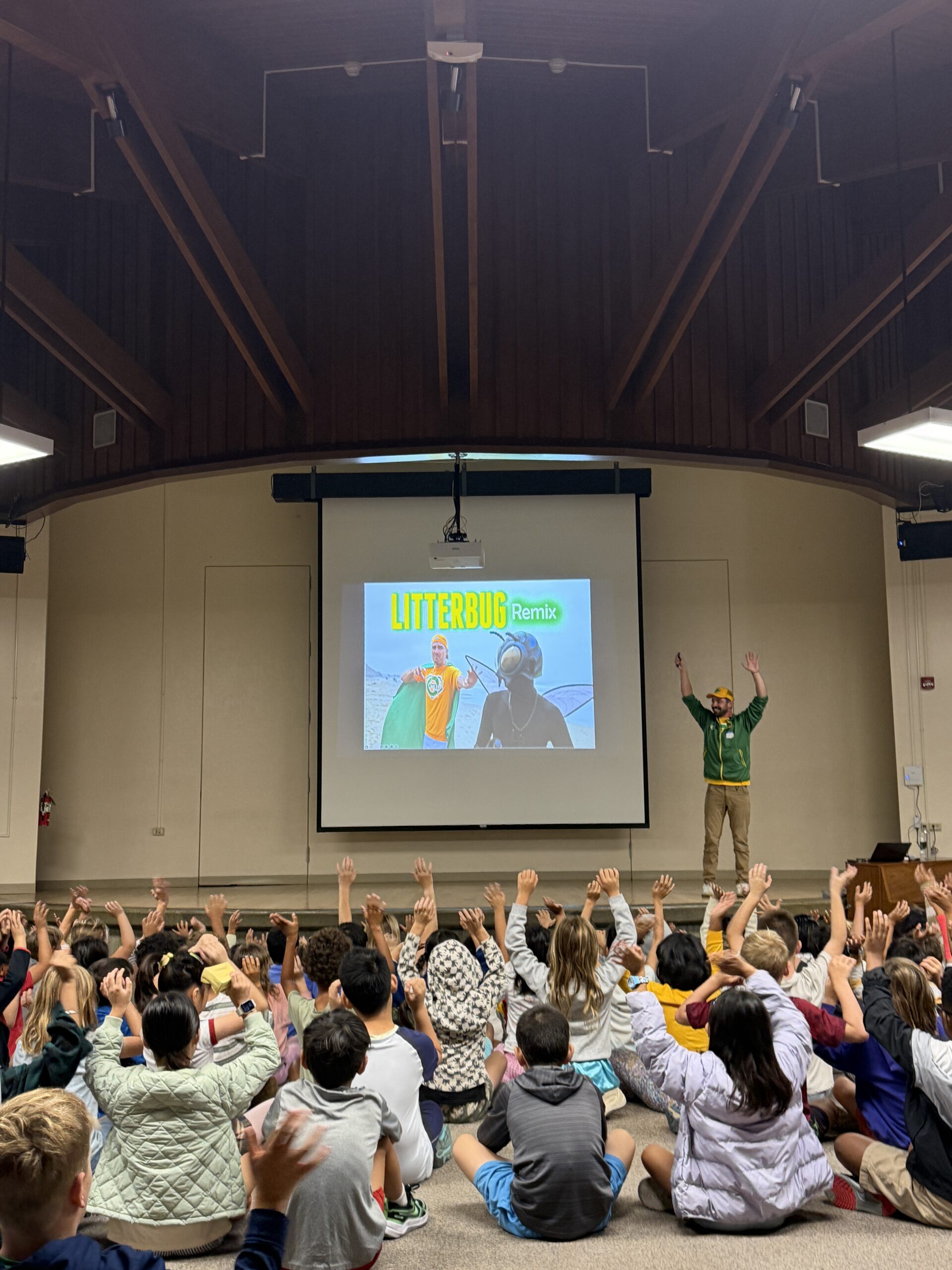
Through music, movement, and memorable lyrics, campus elementary school students discover how everyday choices impact the planet.
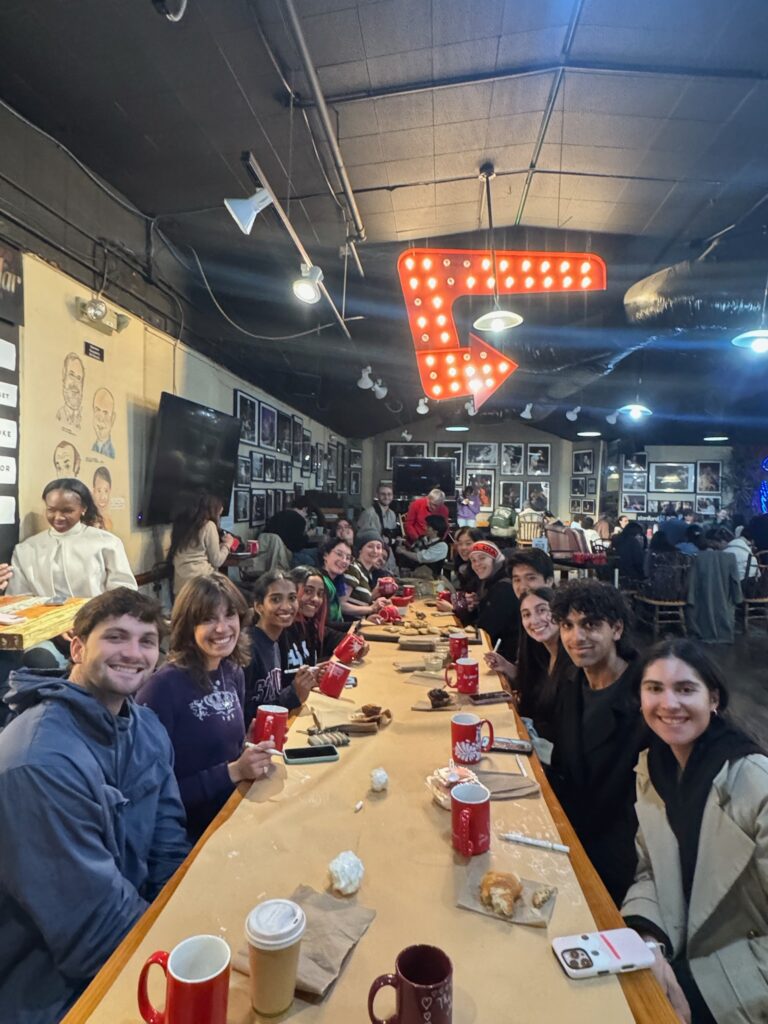
Students are transforming reusable mugs into a community ritual–reducing waste while rebuilding campus culture.