
Professor by Day, Sustainability Advocate by Night
Tanya Luhrmann chairs the SCRL Sustainability Committee, where she helps over 1,000 faculty and staff residents adopt greener practices through workshops, advocacy, and community-driven initiatives.

Tanya Luhrmann chairs the SCRL Sustainability Committee, where she helps over 1,000 faculty and staff residents adopt greener practices through workshops, advocacy, and community-driven initiatives.

In 2021, Stanford made history as the first university to issue climate bonds with both sustainability and social equity goals.
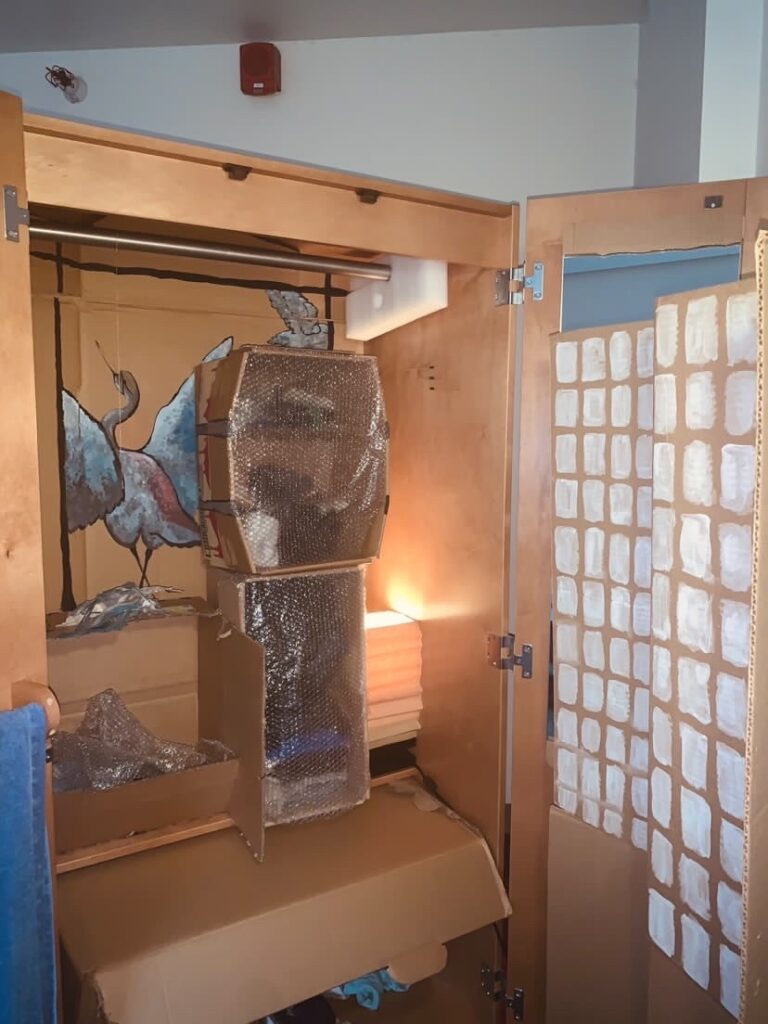
Stanford student Sierra Horangic repurposed packaging waste into custom furniture and inspired others to reduce waste and get creative with recycled materials.

R&DE Stanford Dining set a public target to reduce food-related emissions by 25% by 2030, partnering with the Scope 3 Emissions Program to advance sustainable food sourcing.

R&DE Stanford Dining became the first campus dining organization in the U.S. to earn the James Beard Foundation’s Smart Catch Ambassador status.
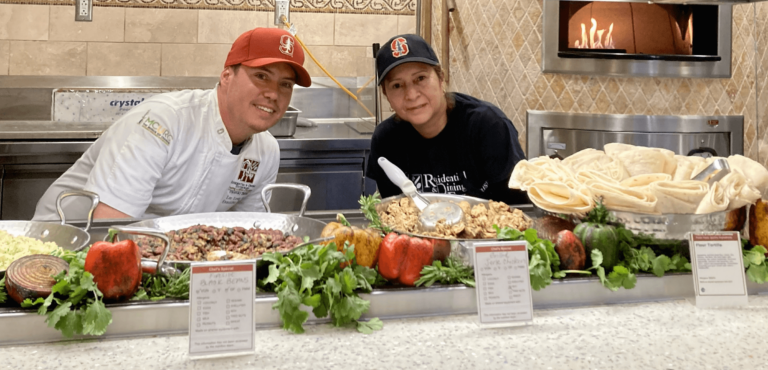
Stanford’s dining halls are living laboratories for innovative research on reducing food waste and promoting sustainable, plant-forward diets in collaboration with faculty.

Stanford is revolutionizing cleaning with its ozone-based Cardinal Clean system, reducing chemical use by 90% and preventing over 2,140 pounds of plastic waste annually.

Stanford received the Outstanding Waste Prevention Award from the California Resource Recovery Association for the innovative Cardinal Clean program.

WaterSmart, a tool available to campus groups and homeowners, helped save 500,000 gallons of water in one year by providing leak alerts and enabling quick responses.
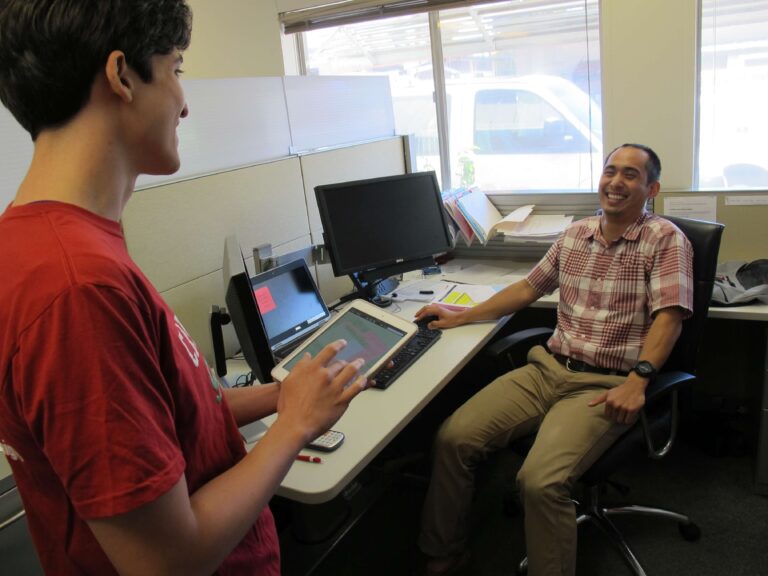
To better quantify electricity consumption and prioritize savings opportunities, Stanford launched an equipment inventory to collect data on plug loads across the Stanford campus.