
61 Students Start Living Lab Internships & Fellowships
Sixty-one Stanford students are driving real change in sustainability through the Living Lab Program, tackling real issues while gaining hands-on experience.

Sixty-one Stanford students are driving real change in sustainability through the Living Lab Program, tackling real issues while gaining hands-on experience.

Californians are no strangers to wildfires. As the scientific community searches for answers to prevent fire before it happens, Stanford is testing a “BurnBot” that can create fuel breaks.

Doctoral student Eleni Alexandraki, B.S. ’19 and M.S. ’21, developed a set of Whole Building Life Cycle Assessment Guidelines for her Living Lab Fellowship Project.

Stanford’s Conservation Program is testing a cutting-edge “BurnBot” to improve wildfire management, using controlled burns to create fire breaks and support ecosystem health.

A new study on embodied carbon in construction materials led to new guidelines to help the university meet its net-zero emissions goal by 2050.

Sam Bunke, PhD candidate in chemical engineering, developed a framework for addressing waste justice in Stanford’s programs.
In its inaugural year, the Living Lab Fellowship Program fostered cross-campus collaboration, hands-on learning, and lasting impact through 16 student-led operational sustainability projects.

Zander Opperman developed a fire management plan for the Jasper Ridge Preserve as part of his Living Lab Fellowship.
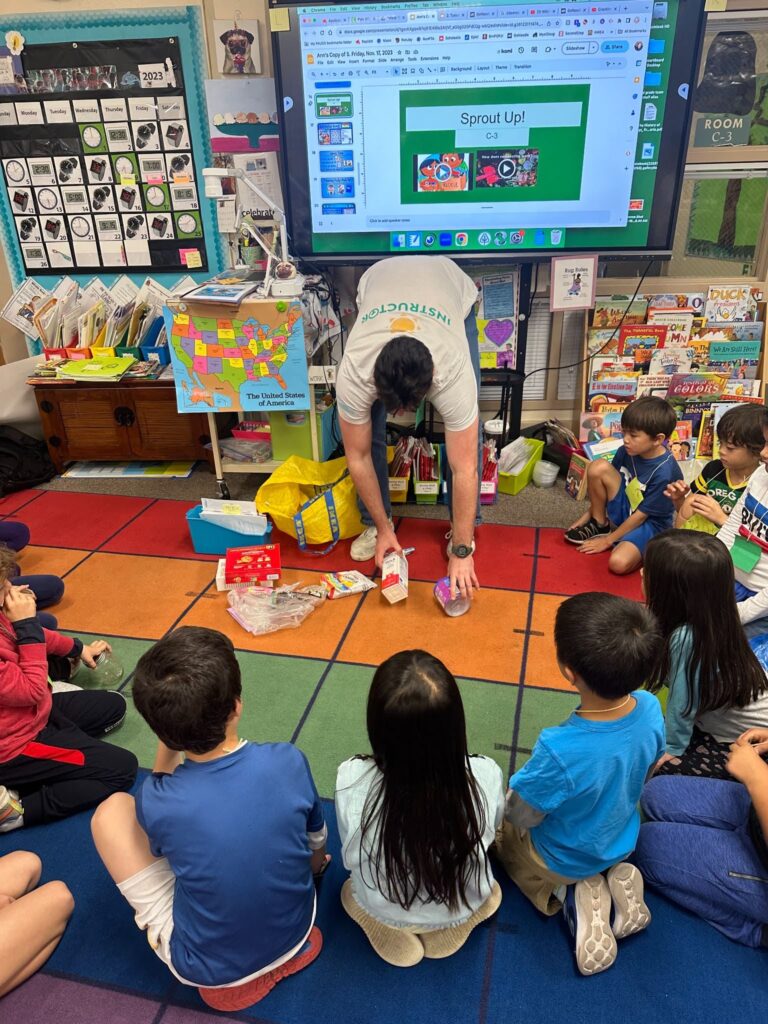
Linda Vera is using her Living Lab Fellowship to develop a zero waste strategy for local schools, aligning with Stanford’s zero waste goal.
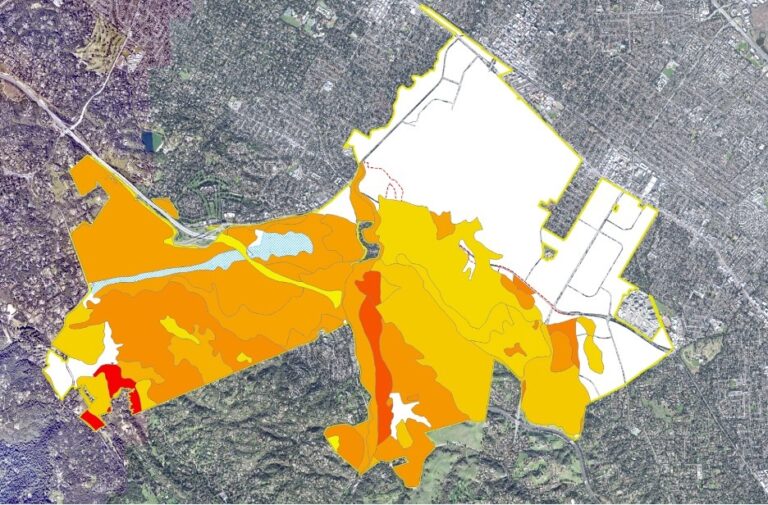
This project developed accurate measurements of carbon stocks in Stanford’s open spaces.