Lucile Packard Children’s Hospital Reduces Energy Use
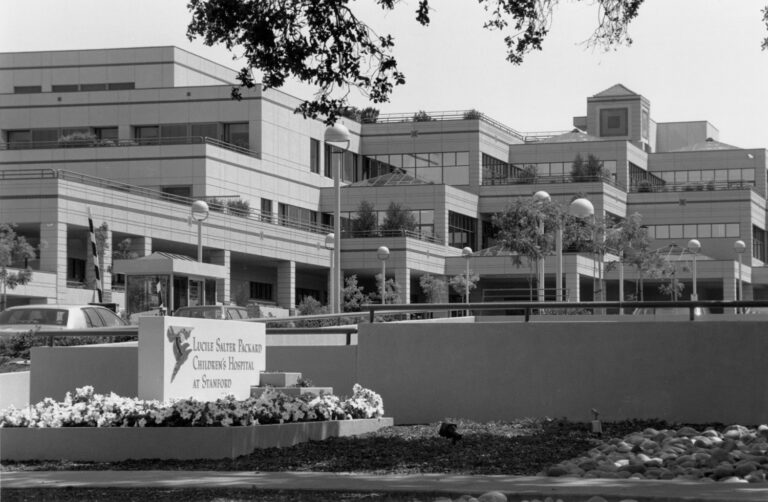
Lucile Packard Children’s Hospital is saving $500,000 annually by using outside air for cooling and upgrading to LED lighting, cutting energy use by 48%.
Land, Buildings & Real Estate (LBRE) is the operational core of Stanford’s physical campus and home to many departments within Sustainable Stanford, including the steward of the Sustainable Stanford brand (the Office of Sustainability), Land Use & Environmental Planning, Transportation, Mail Package Services, Energy Operations, Water Resources & Civil Infrastructure, Buildings, Grounds, & Maintenance, and many more. These groups showcase how planning for sustainability, climate adaptation, and resilience is possible for long-term efficiency, performance, and financial health. Through its day-to-day operations, LBRE lays the groundwork for sustainability innovation to emerge and thrive.

Lucile Packard Children’s Hospital is saving $500,000 annually by using outside air for cooling and upgrading to LED lighting, cutting energy use by 48%.

LBRE’s OCx program boosted energy efficiency in 2023, saving over $4,000 annually at Wallenberg through no-cost control system adjustments.

Stanford’s iconic Green Library received upgrades that slashed energy use while ensuring year-round comfort.

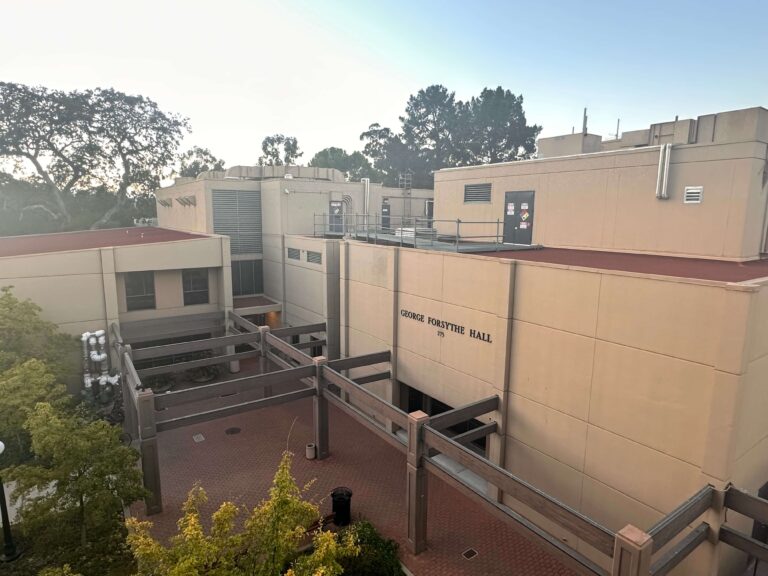
An energy audit of Forsythe Hall revealed uneven airflow, leading to a $90,000 annual savings after upgrading air control systems and economizers

Stanford is reimagining energy solutions across campus, with updates to key buildings like Lucile Packard Children’s Hospital and Green Library.

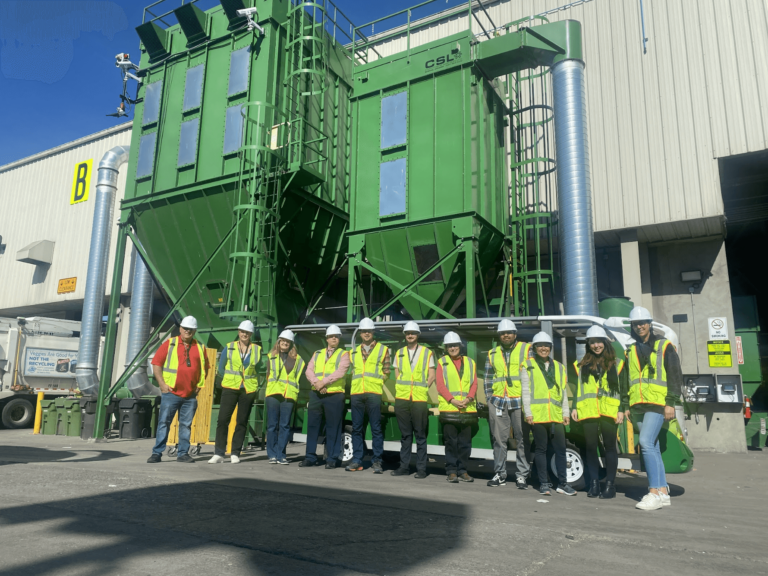
After a three-year competitive bid process, Stanford awarded a new 10-year contract to Peninsula Sanitary Service, Inc. (PSSI), continuing an 80-year partnership to support the university’s zero waste goals.

Stanford’s new contract with PSSI introduces a fleet management system that uses cameras, sensors, and AI to improve safety, monitor contamination, and optimize waste diversion.

Stanford maximizes waste diversion by sending recyclables, compost, and construction materials to multiple advanced facilities.

Stanford decommissioned its automated recycling sorting line and donated it to a California company, repurposing the equipment to turn food byproducts into animal feed.

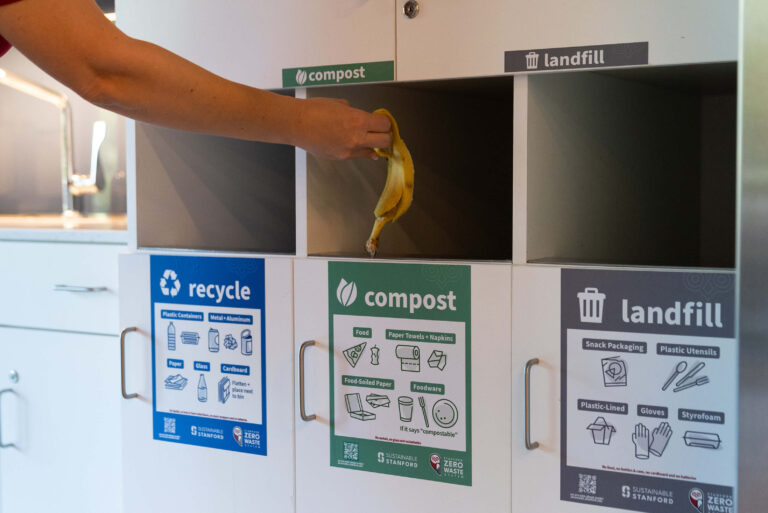
The newly established team brings together expertise on critical pieces of the puzzle to work towards zero waste goals.