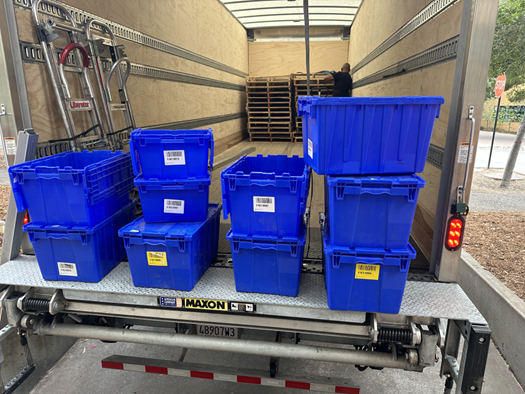
Same Supplies, Better Box: Closing the Loop on Campus Shipping
How one campus building manager is rethinking the supplies behind scientific discovery –helping labs be more circular.
The campus electric load is forecasted to exceed 80% capacity each day this week. Please reduce electricity from 2 to 6 p.m. this week to protect our overall campus power supply. (sustainable.stanford.edu/power-smart)

Every purchase has an environmental footprint, from resource extraction to manufacturing to transportation from its origin to Stanford. Therefore, every purchase is an opportunity to contribute to the university’s goal of achieving zero waste and net zero carbon emissions by 2050.
Stanford is committed to creating a more sustainable future through responsible purchasing and engagement with external suppliers.

Everyone in the Stanford community can make a meaningful difference through everyday purchases. The university’s purchasing tools and resources make sustainable and inclusive purchasing easier and help reduce Stanford’s emissions.
Stanford regularly engages with the university’s top suppliers to convey the university’s sustainability principles, collect climate data, identify partnership opportunities, facilitate sustainable purchasing (particularly from catalog vendors), and provide resources to help improve sustainability practices, especially for small and local vendors.
Whether it’s facilitating the transfer of furniture from one department to another or helping students give and get gently used items, Stanford has various programs and practices in place to keep items on the Farm and out of the landfill.
How one campus building manager is rethinking the supplies behind scientific discovery –helping labs be more circular.
There is no excerpt because this is a protected post.
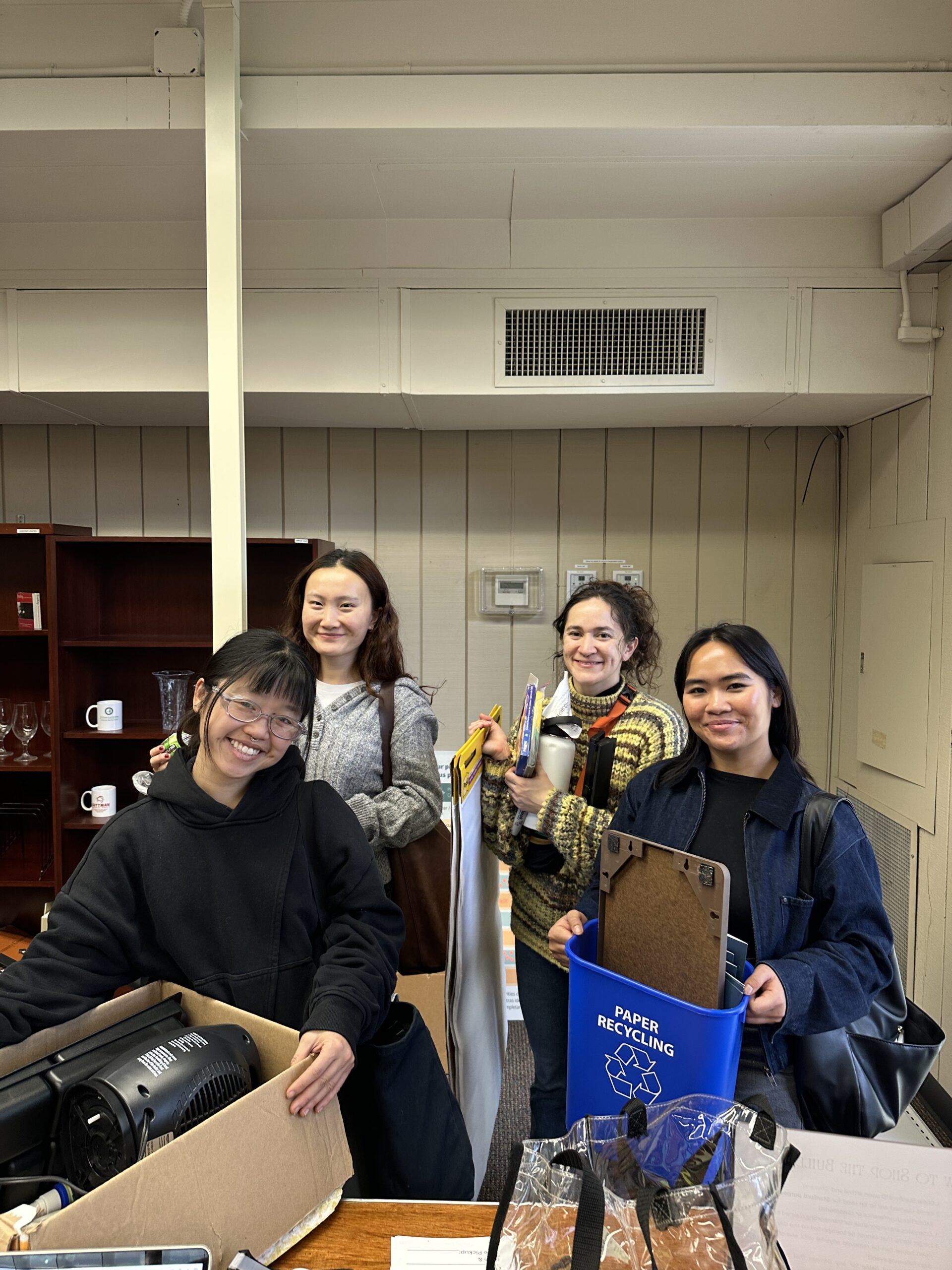
Stanford’s first open houses for decommissioned buildings keep over 3,500 items out of the landfill and back in circulation across campus.
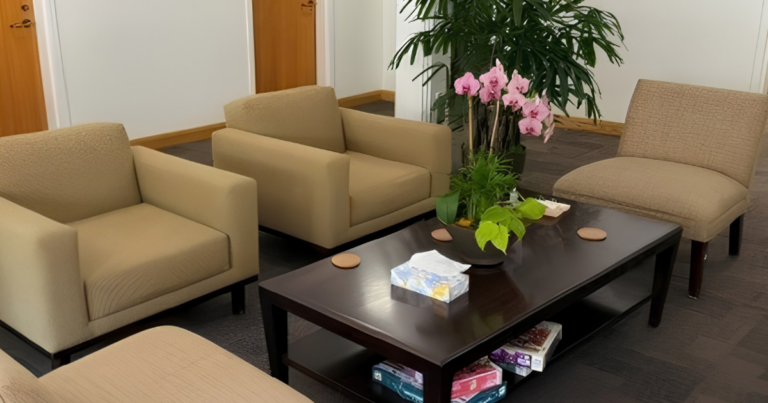
Staff partnerships are turning surplus furniture into practical solutions–saving money, reducing waste, and creating functional spaces without sacrificing aesthetics.