Same Supplies, Better Box: Closing the Loop on Campus Shipping
How one campus building manager is rethinking the supplies behind scientific discovery –helping labs be more circular.
The campus electric load is forecasted to exceed 80% capacity each day this week. Please reduce electricity from 2 to 6 p.m. this week to protect our overall campus power supply. (sustainable.stanford.edu/power-smart)

Kevin Manalili, Director of Facilities Planning for the School of Engineering (SoE), first found his passion for environmentalism in his work as Director of Operations at the California Academy of Sciences. “At the time, our mission was to explore, explain, and protect. That resonated.”
Manalili has brought this ethos of curiosity and stewardship with him to his work at Stanford. The SoE itself is grounded in innovation and curiosity, and so sustainable initiatives and pilot programs are enthusiastically embraced by Manalili and his team.
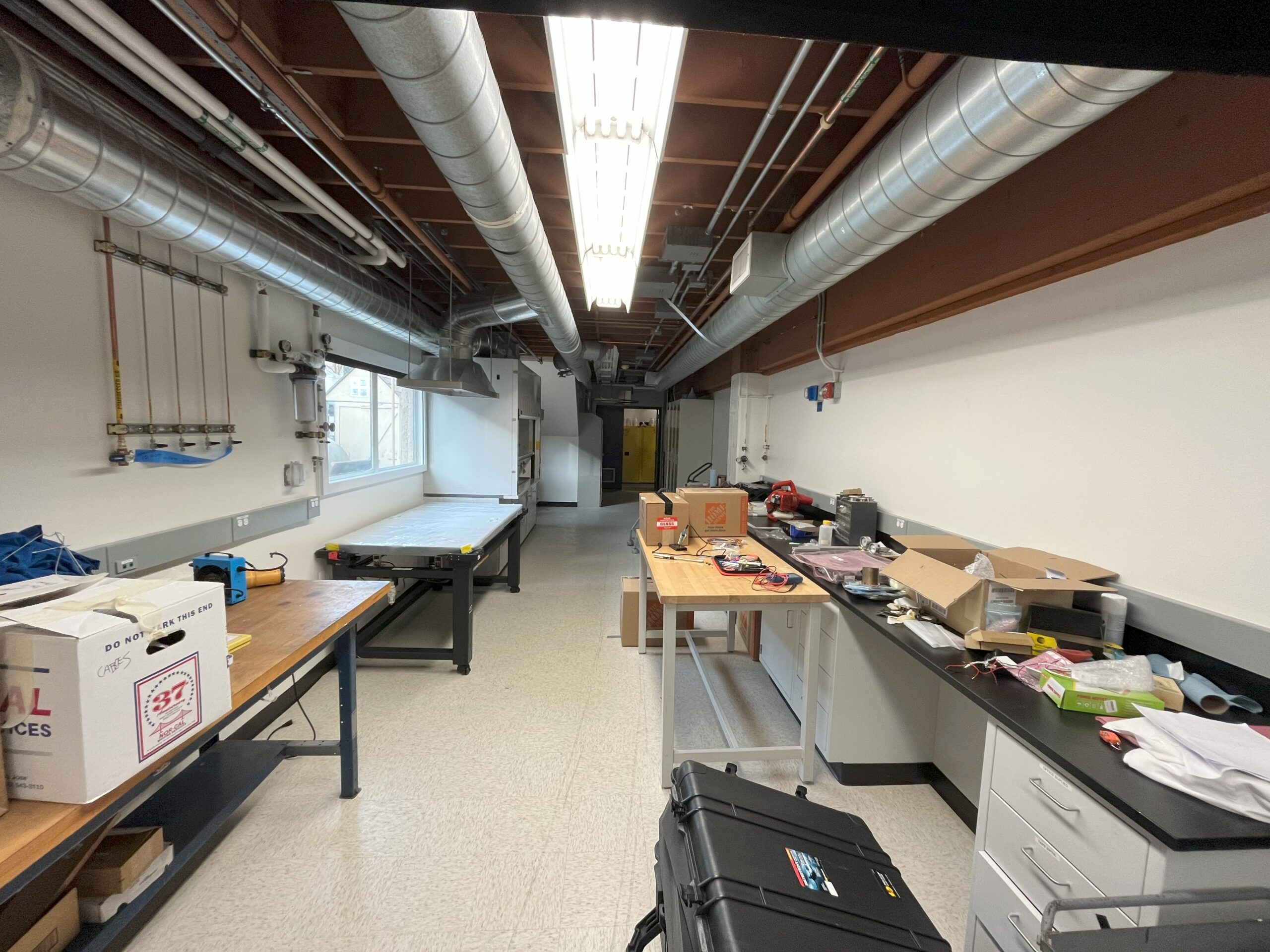
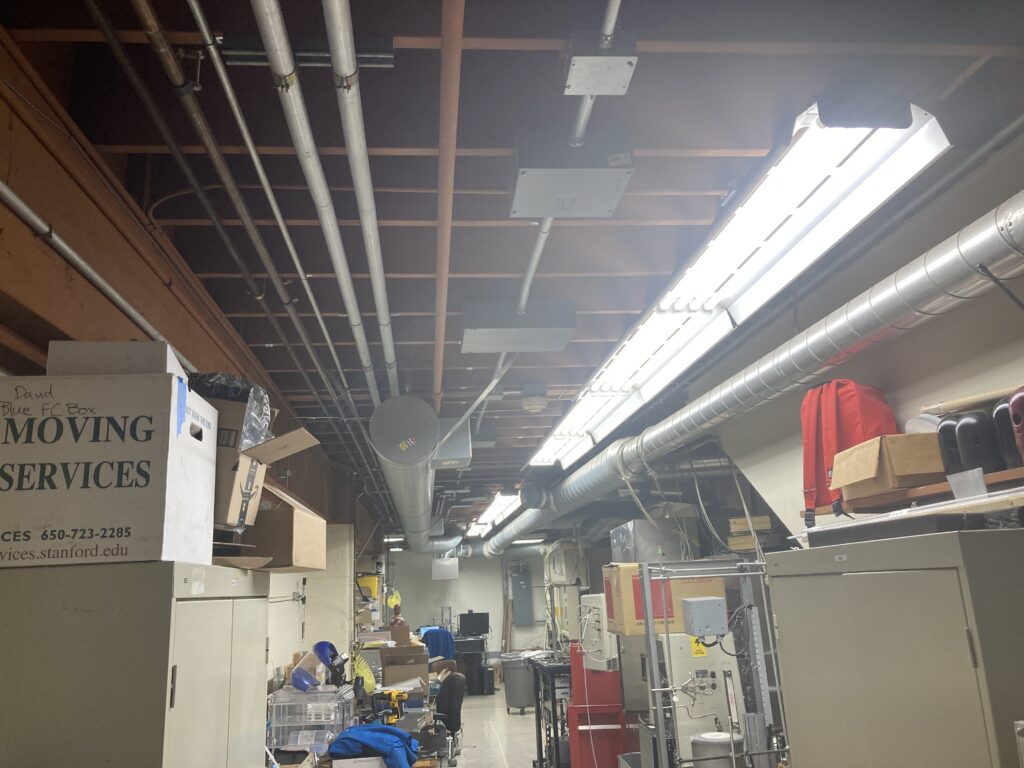
A large portion of Manalili’s work involves refurbishment of SoE buildings and lab outfitting, which requires creative reuse, both to increase sustainability, as well as following a trajectory of fiscal responsibility. Manalili shares that for the SoE facilities team, furniture reuse makes “good business sense when we refurbish, and it’s also more sustainable.”
Some of the projects undertaken by his team include cobbling together furniture for labs and reusing fume hoods, curtains, and cabinetry. Desks can be resized and refinished, and soft furniture pieces can be reupholstered. It’s a matter of practicality, more than anything else, but Manalili is always exploring ways to “make sustainability work easy and attractive.”
How one campus building manager is rethinking the supplies behind scientific discovery –helping labs be more circular.
There is no excerpt because this is a protected post.
There is no excerpt because this is a protected post.