
Protected: Reducing Emissions From Construction
There is no excerpt because this is a protected post.
The campus electric load is forecasted to exceed 80% capacity each day this week. Please reduce electricity from 2 to 6 p.m. this week to protect our overall campus power supply. (sustainable.stanford.edu/power-smart)

Lessons learned from the Frederick E. Terman Engineering Center’s construction methodology, operational history, and eventual demolition inform sustainable construction, operation, and demolition practices. The life-cycle approach to sustainable building ensures the Terman Engineering Center continues to add value to Stanford’s campus today.
Completed in 1978, the Terman Engineering Center, iconic former home to the School of Engineering, incorporated innovative sustainability features, including operable windows to facilitate passive ventilation and timber structural members sourced locally. Both natural ventilation and sustainable material sourcing are now common practice in Stanford’s new high-performance buildings.
The Terman Building demolition project diverted 99.6 percent of all building materials and components from the landfill.
Conscientious demolition reflects Stanford’s commitment to sustainability and responsible management through the end of a building’s life. The Terman Building demolition project diverted 99.6 percent of all building materials and components from the landfill. Material unfit for salvage was recycled, with preference given to onsite recycling where feasible.

For example, concrete from the Terman Building was pulverized into compactable rock and used to infill portions of the basement to stabilize the structure during demolition and the subsequent park construction. This strategy reduced the need to truck in soil to serve the same purpose and therefore decreased the carbon footprint of the project as a whole. Where soil was required for rough grading above the pulverized concrete, it was obtained from excavation spoils associated with concurrent campus projects.
Stanford used a balanced approach to evaluate material salvage opportunities, weighing the feasibility of reusing building elements against the recovery cost, schedule, and other impacts on the surrounding community. Input from the university community, including faculty and staff and the project’s contractors and consultants, guided the selection process.

Salvaged elements of the former structure can be found integrated into other buildings across campus:
The Department of Project Management, working with Sustainable Stanford, found a new home or use for just about everything from the generator to the fire alarm equipment.
Sustainable demolition efforts like these have helped increase the university’s landfill diversion rate.
There is no excerpt because this is a protected post.
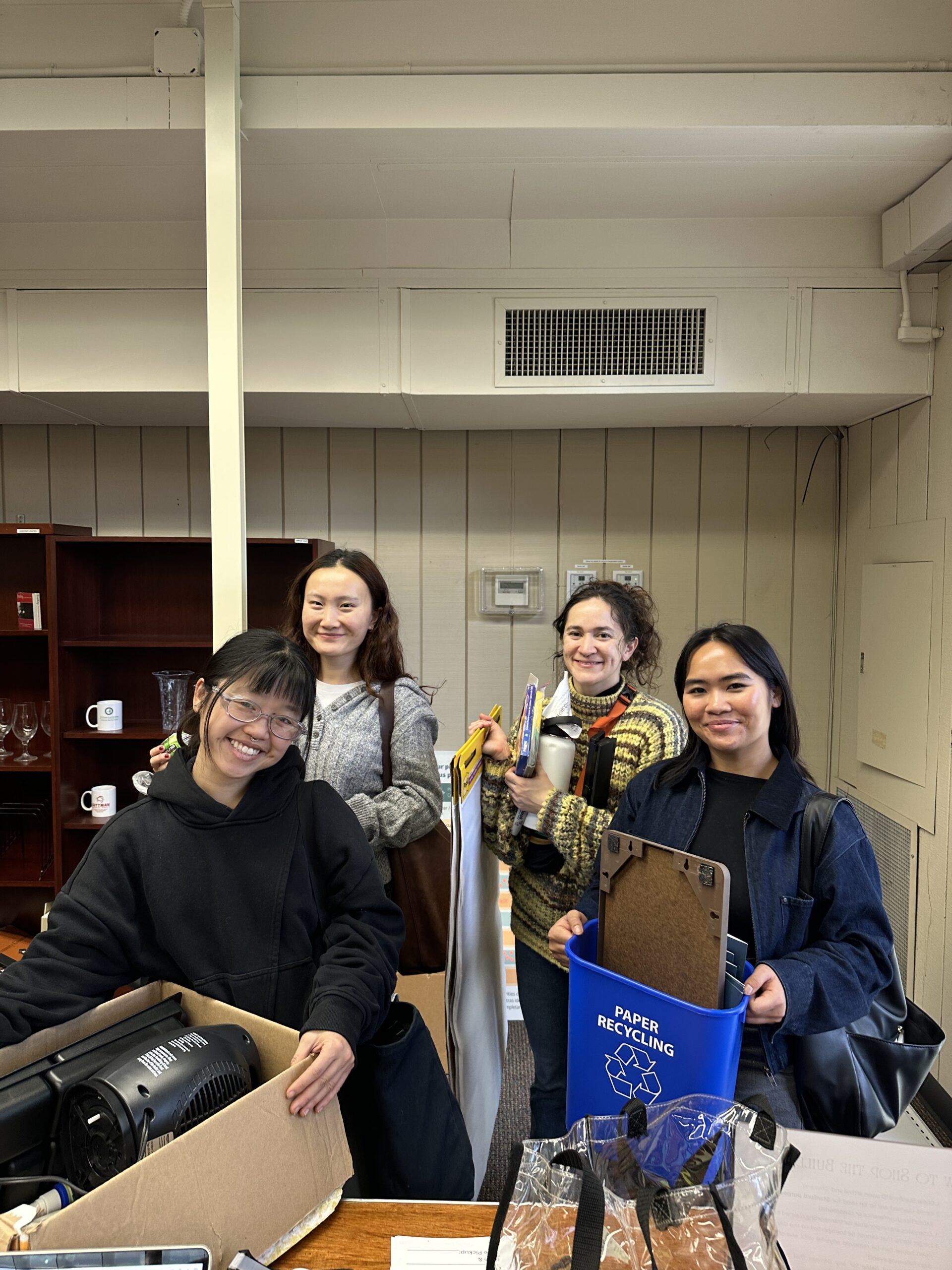
Stanford’s first open houses for decommissioned buildings keep over 3,500 items out of the landfill and back in circulation across campus.
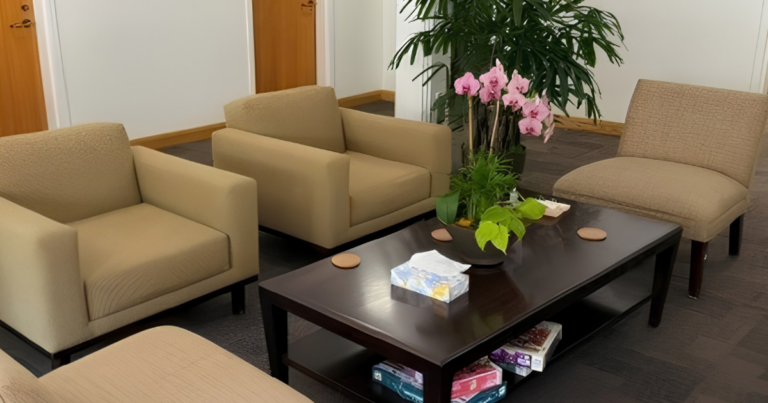
Staff partnerships are turning surplus furniture into practical solutions–saving money, reducing waste, and creating functional spaces without sacrificing aesthetics.