
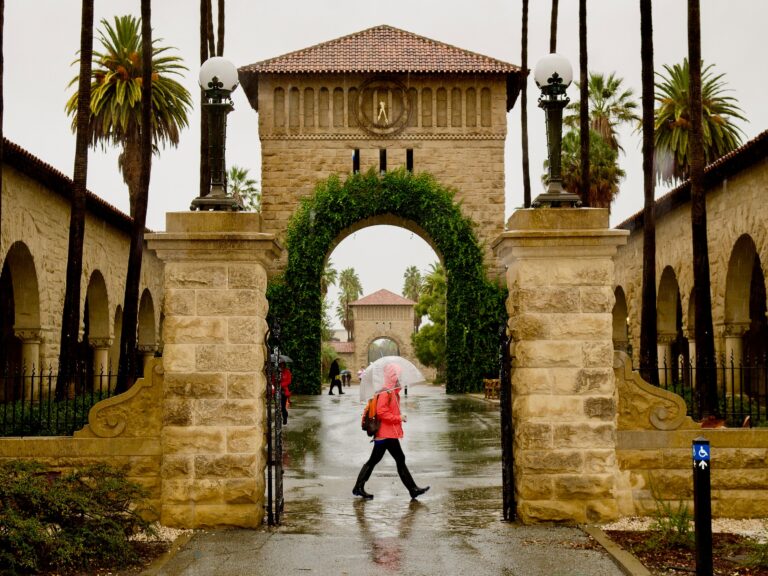
How Stanford is Preparing for This Year’s El Niño
Past infrastructure enhancements for capturing and redirecting rainfall have strengthened campus readiness for winter storms.
The campus electric load is forecasted to exceed 80% capacity each day this week. Please reduce electricity from 2 to 6 p.m. this week to protect our overall campus power supply. (sustainable.stanford.edu/power-smart)

While this year’s rainfall has partially helped California recover from years of extreme drought conditions, water conservation remains a critical issue and a key component of sustainability. Stanford University, in compliance with the state of California, continues to minimize water waste through prohibiting irrigation during and within 48 hours of rainfall, restricting spray irrigation between 7 am and 7 pm, reducing potable water use for fountains and decorative water features, and more. Thanks to these efforts, domestic water use trends on campus remained consistent in 2022 with data from previous years. The Stanford Water Planning and Stewardship team appreciates the community’s commitment to water conservation and encourages students, faculty, and staff to prioritize water efficiency.
Past infrastructure enhancements for capturing and redirecting rainfall have strengthened campus readiness for winter storms.
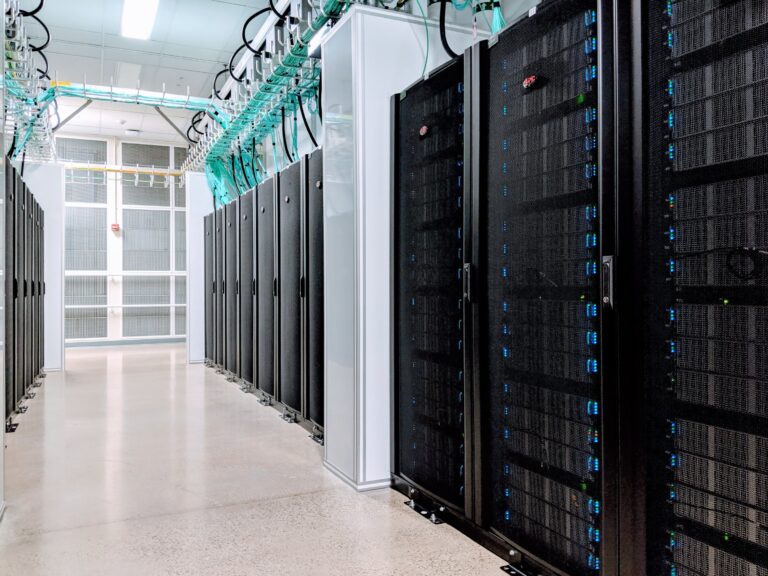
Danica Sun ’28 explored smarter resource use for one of Stanford’s major computing clusters.
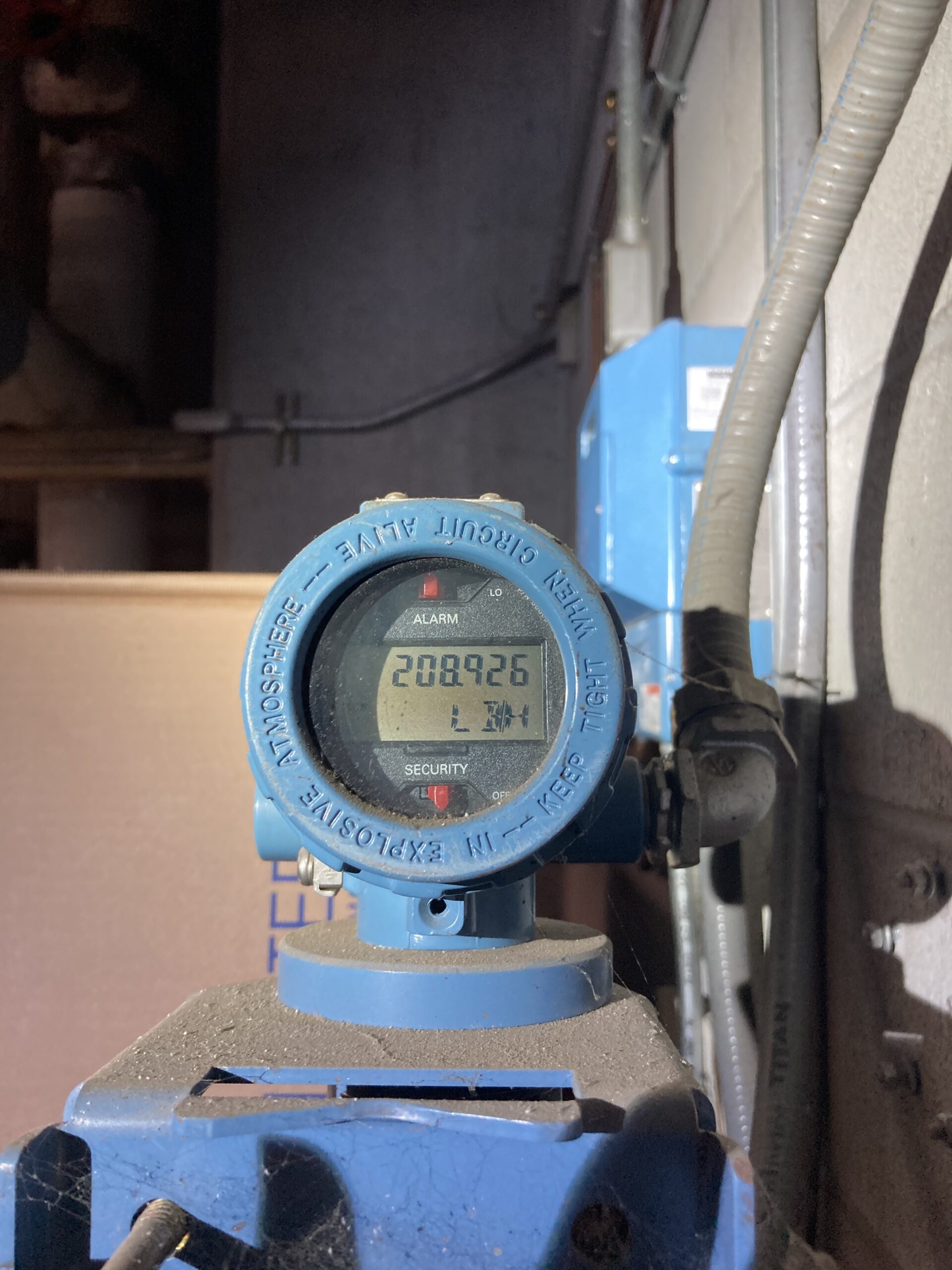
Rachel Porter, PhD candidate, investigated alternatives for reducing reliance on Stanford’s natural gas-fired steam plant.