Treasure Hunting at Campus Open Houses Attracts Hundreds
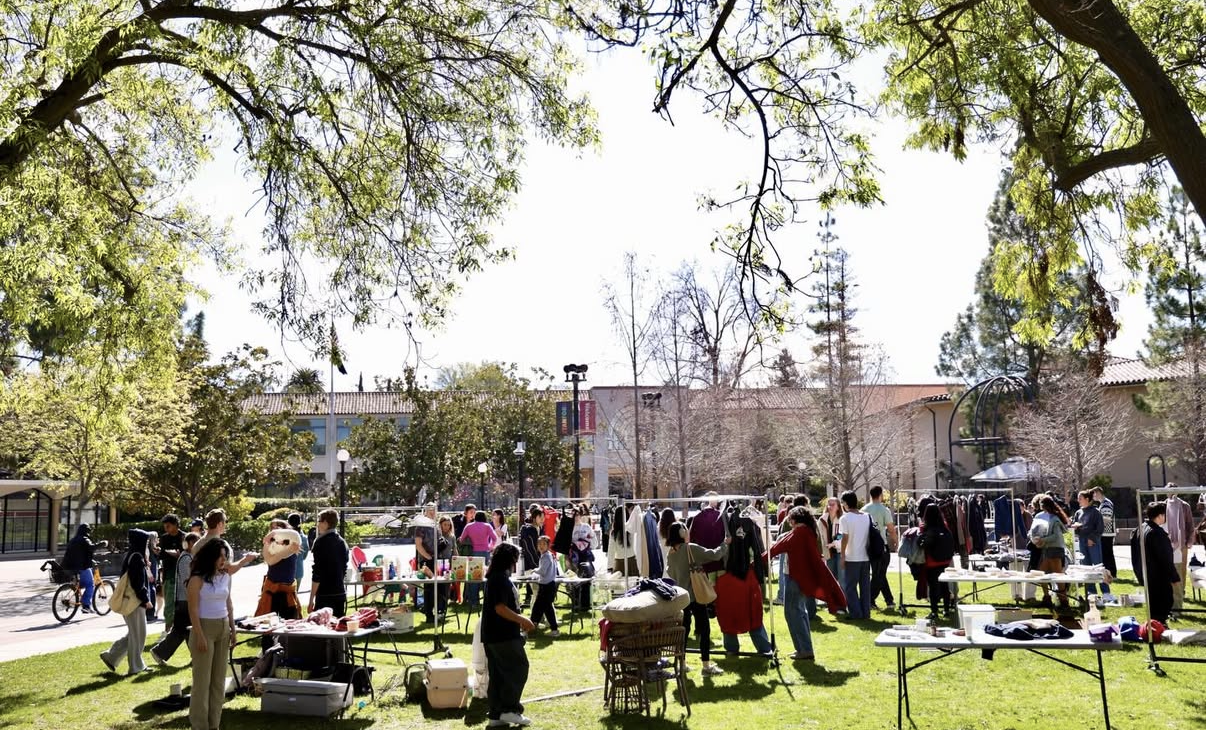
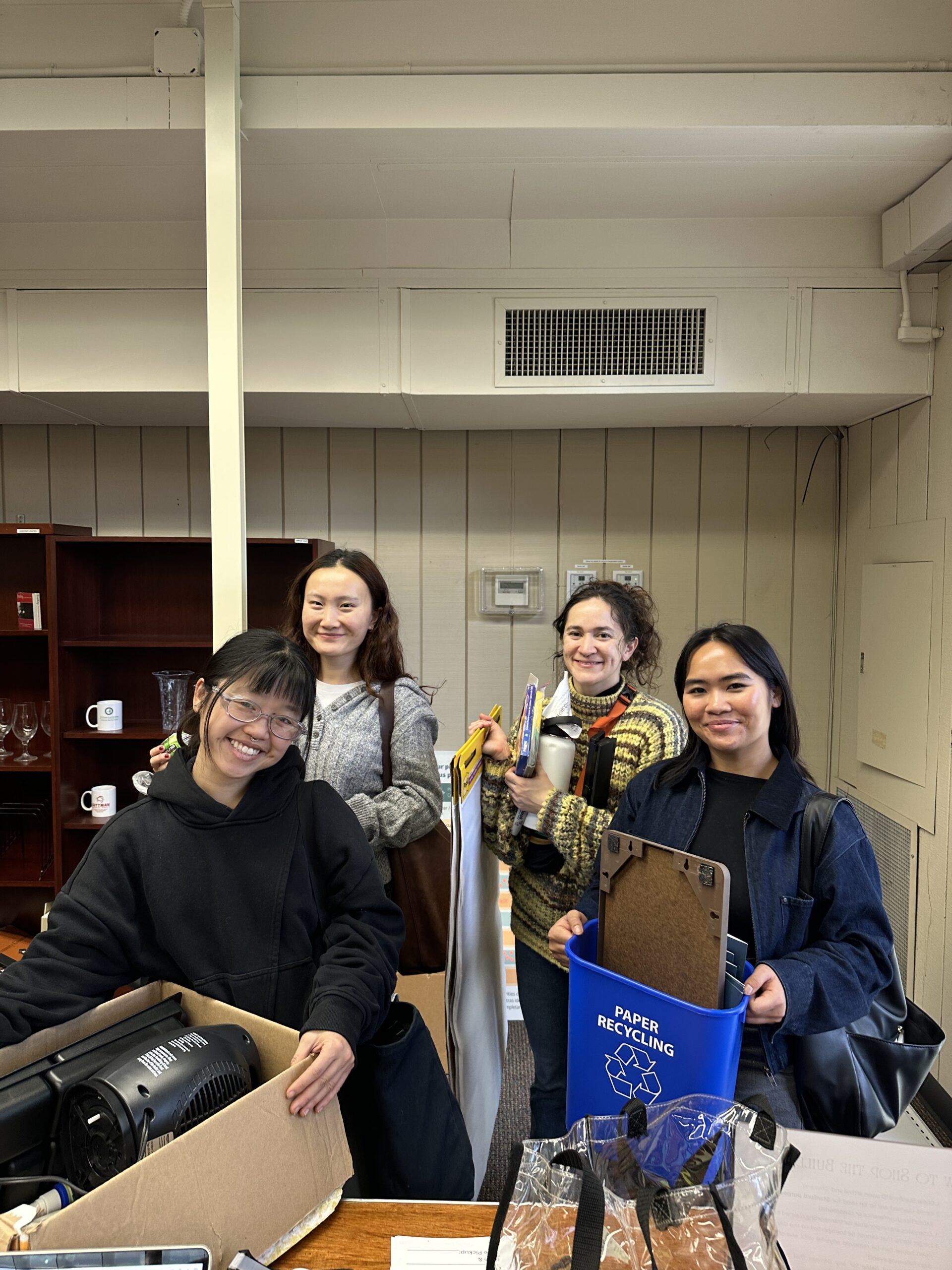
Stanford’s first open houses for decommissioned buildings keep over 3,500 items out of the landfill and back in circulation across campus.

Stanford students generate significant amounts of reusable waste each year, particularly during move-out and move-in periods when clothing, household goods, school supplies, and other items are often discarded despite remaining in usable condition. At the same time, many students face financial barriers to purchasing these same items. Big Swap was created to address this disconnect by making reuse convenient, accessible, and community-driven. The project aims to divert materials from landfill while creating opportunities for students to exchange goods, save money, and build a culture of swapping on campus. Through large-scale swap events, smaller recurring swaps, repair programming, and partnerships with student organizations and university offices, Big Swap seeks to strengthen Stanford’s circular economy and make sustainable consumption a visible and accessible part of student life.
Stanford lacks a permanent, campus-wide reuse system for collecting, storing, redistributing, and tracking reusable goods. As a result, large volumes of clothing, household items, and other materials are unnecessarily sent to landfill, limiting progress toward Stanford’s zero-waste goals and missing opportunities to reduce carbon emissions through reuse. Previous Big Swaps have demonstrated strong demand and impact, but there are challenges related to storage, funding, volunteer continuity, data collection and long-term institutional support.
This project addressed these sustainability and operational challenges by expanding reuse programming, developing systems for impact measurement, creating standardized operating procedures, and building partnerships across campus. It also focused on organizational change by establishing structures and documentation strategies to institutionalize it.
The project used research, stakeholder engagement, program implementation, and impact evaluation to identify opportunities for expanding reuse at Stanford. Existing reuse systems were analyzed, best practices in circular economy and waste diversion were reviewed, and data was collected on participation, material diversion, and environmental impact. Standardized tracking systems, surveys, operational manuals, and event metrics were developed to measure outcomes and improve future programming.
Stakeholder engagement was a core component of the project. Collaboration included Student Affairs, OOS, ASSU, RD&E, student clubs such as FashionX, and community partners such as Stanford Bike Project. Feedback was gathered through meetings, surveys, and event participation to understand barriers, resource needs, and opportunities for growth. These insights informed strategies for expansion.
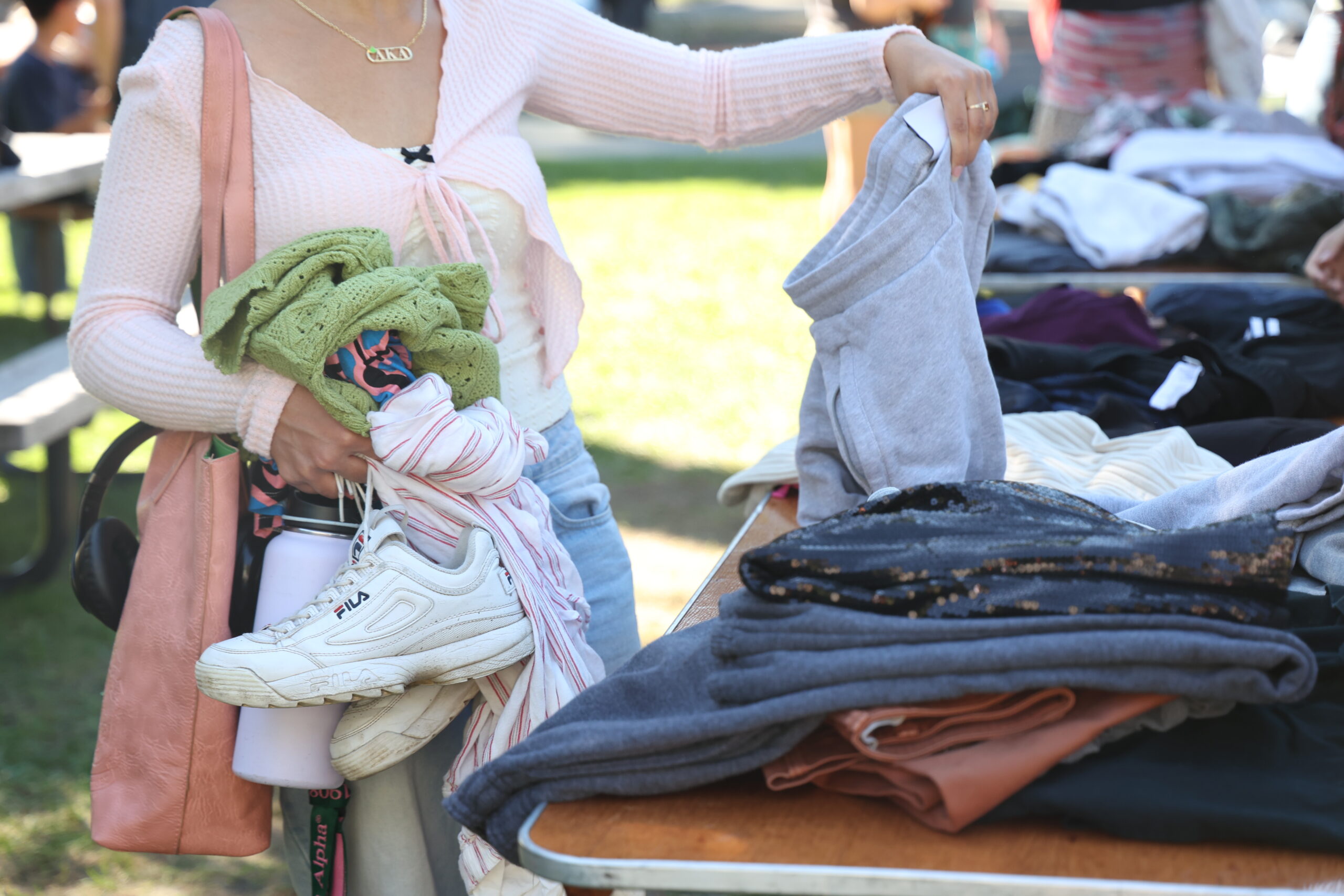
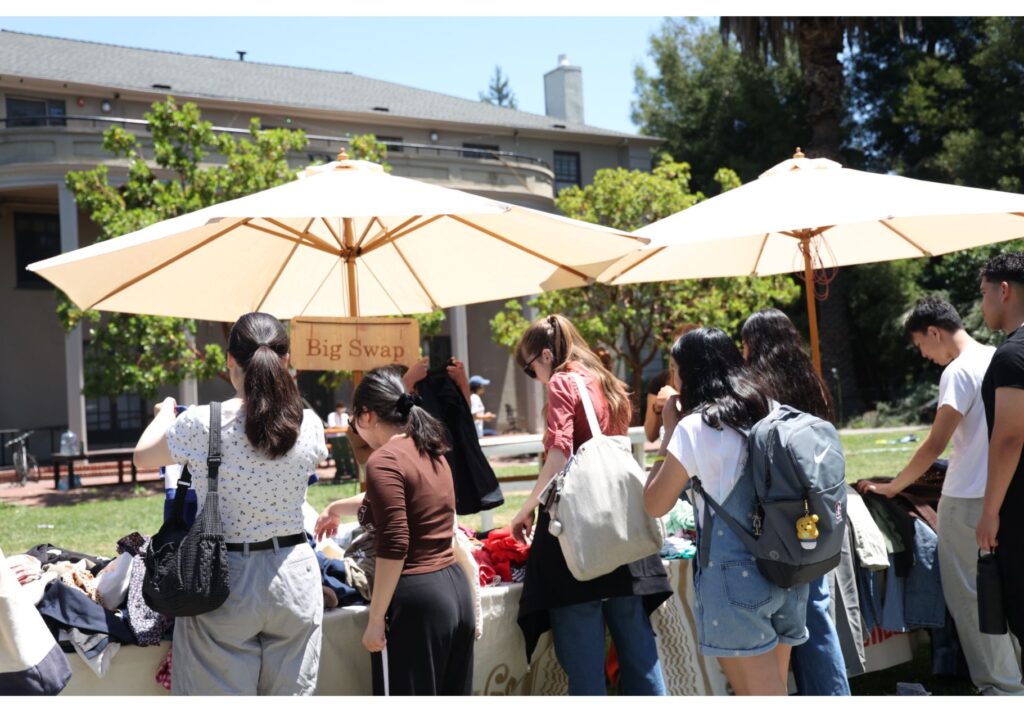
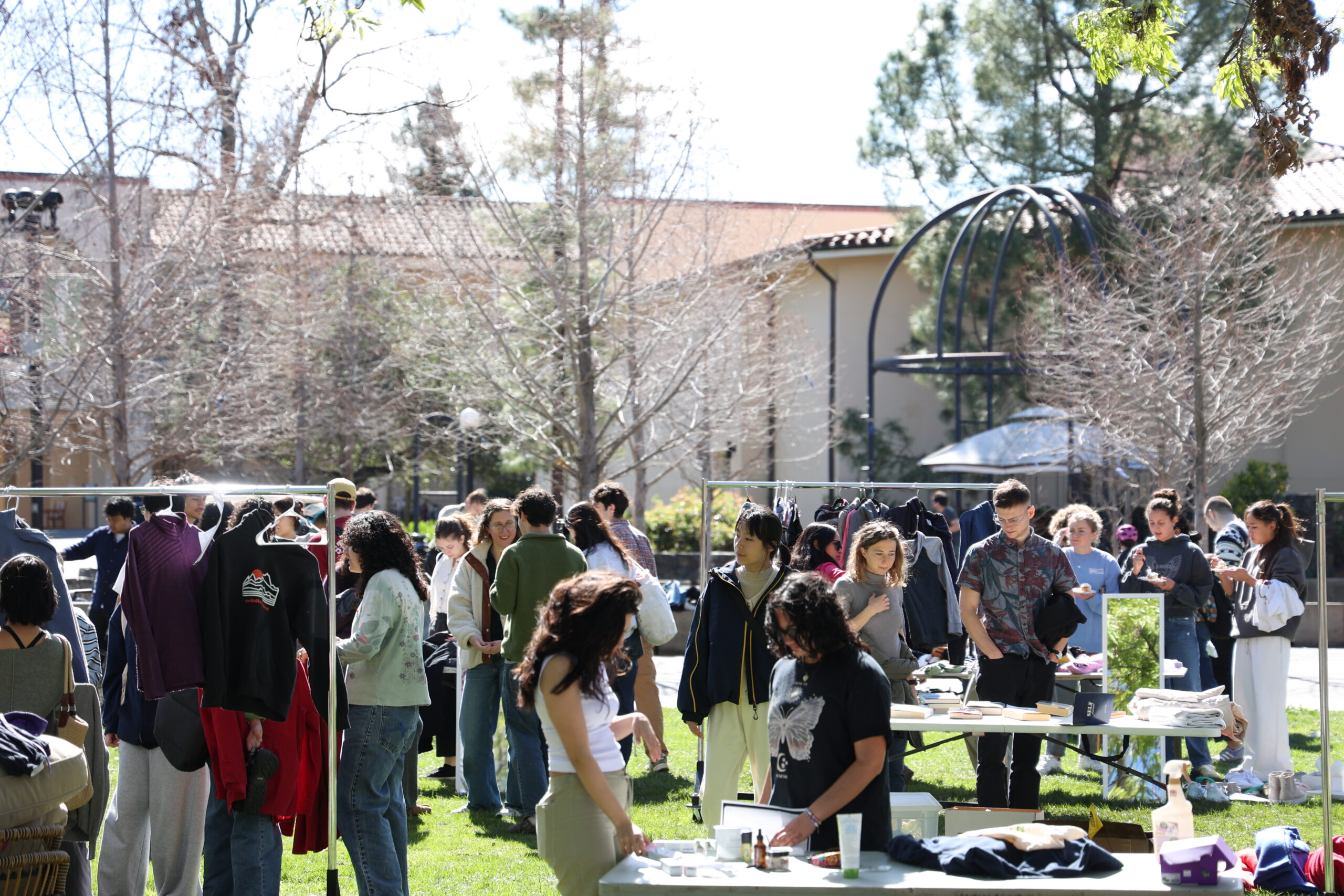
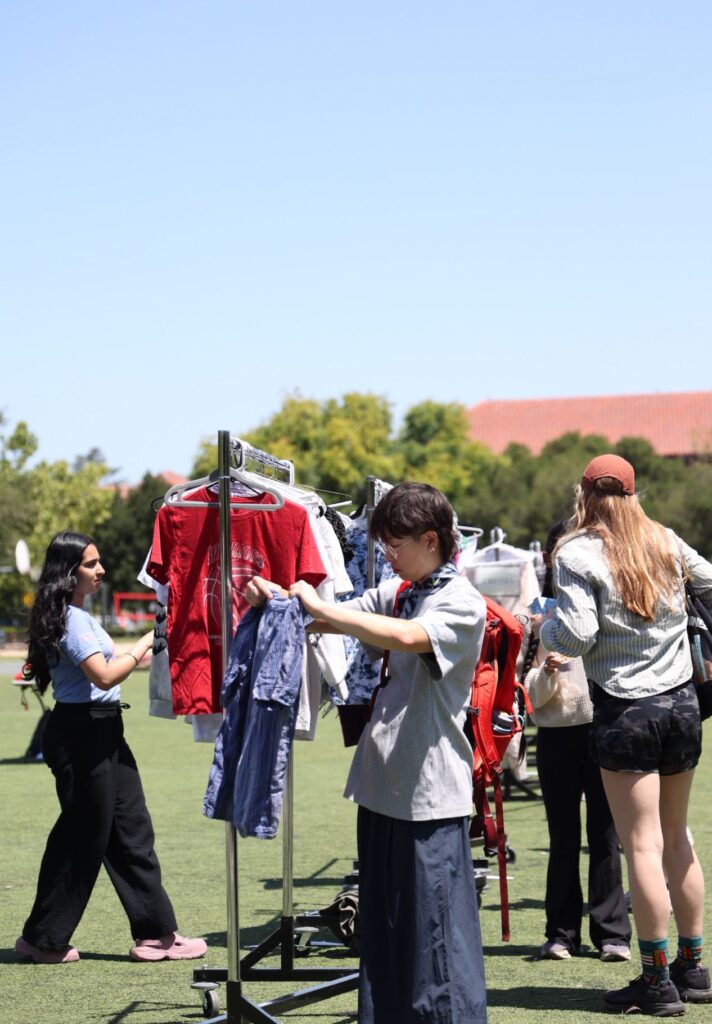
The project expanded Stanford’s reuse programming through quarterly Big Swaps, Small Swaps, and vendor booths with existing campus events. Across eight reuse events, 10,063 pounds of materials were diverted from the landfill with more than 2,000 students, faculty, and staff participated in reuse programming, and 19 new partnership organizations were engaged to support event operations, outreach, and programming. Over $5,000 worth of services and event support were secured through partnerships.
Operationally, the project established a 15+ member student leadership committee, created an updated Big Swap Manual and public donation guidelines, and developed partnerships with the ASSU, RD&E, and Student Affairs. Additional programming included bike repair, clothing repair, upcycling, and themed Small Swaps, increasing the frequency and accessibility of reuse opportunities.
Future efforts should focus on securing permanent storage, expanding partnerships with student organizations and campus offices, and strengthening move-out and move-in reuse pipelines. Maintaining the Big Swap Bunch leadership team, operational manuals, and impact tracking systems will support long-term continuity. Following this project, Big Swap will transition to future student leaders, with existing partnerships and infrastructure providing a foundation for continued growth and reuse.
PRIMARY PARTNER: Land, Buildings & Real Estate (LBRE)
Kai Blankenship is a Stanford University graduate, class of 2026, with a B.A. in Science, Technology, and Society. Her work sits at the intersection of sustainability and business, with experience spanning circular economy initiatives, community engagement, and strategic problem-solving. On campus, Kai is a Berlin study abroad ambassador, Stanford Tour Guide, Living Lab Fellow, and a high school swim coach, who will be continuing on to work as a Business Analyst for McKinsey and company after Stanford.
Stanford’s first open houses for decommissioned buildings keep over 3,500 items out of the landfill and back in circulation across campus.
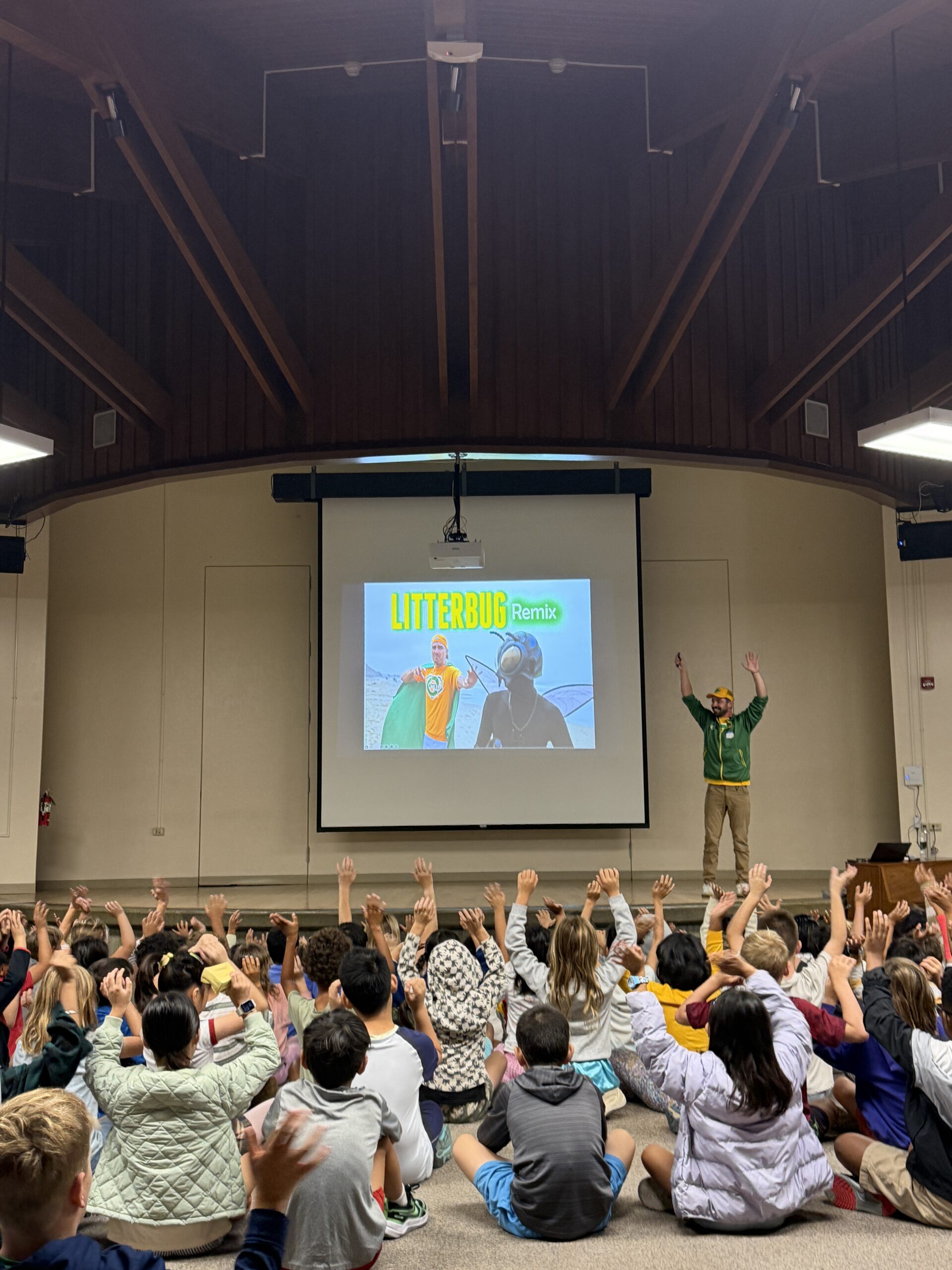
Through music, movement, and memorable lyrics, campus elementary school students discover how everyday choices impact the planet.
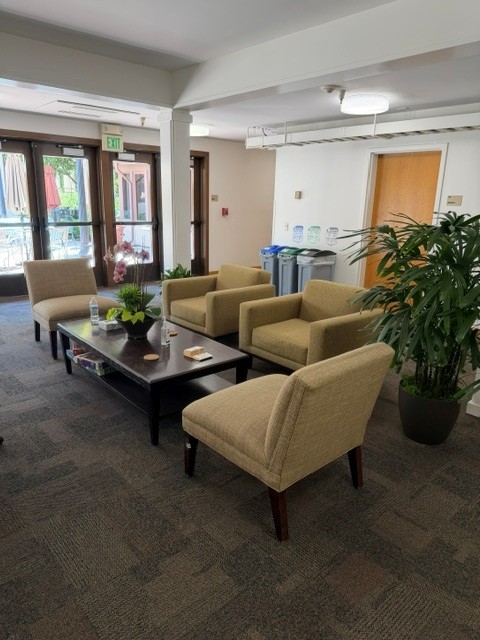
Staff partnerships are turning surplus furniture into practical solutions–saving money, reducing waste, and creating functional spaces without sacrificing aesthetics.