Treasure Hunting at Campus Open Houses Attracts Hundreds
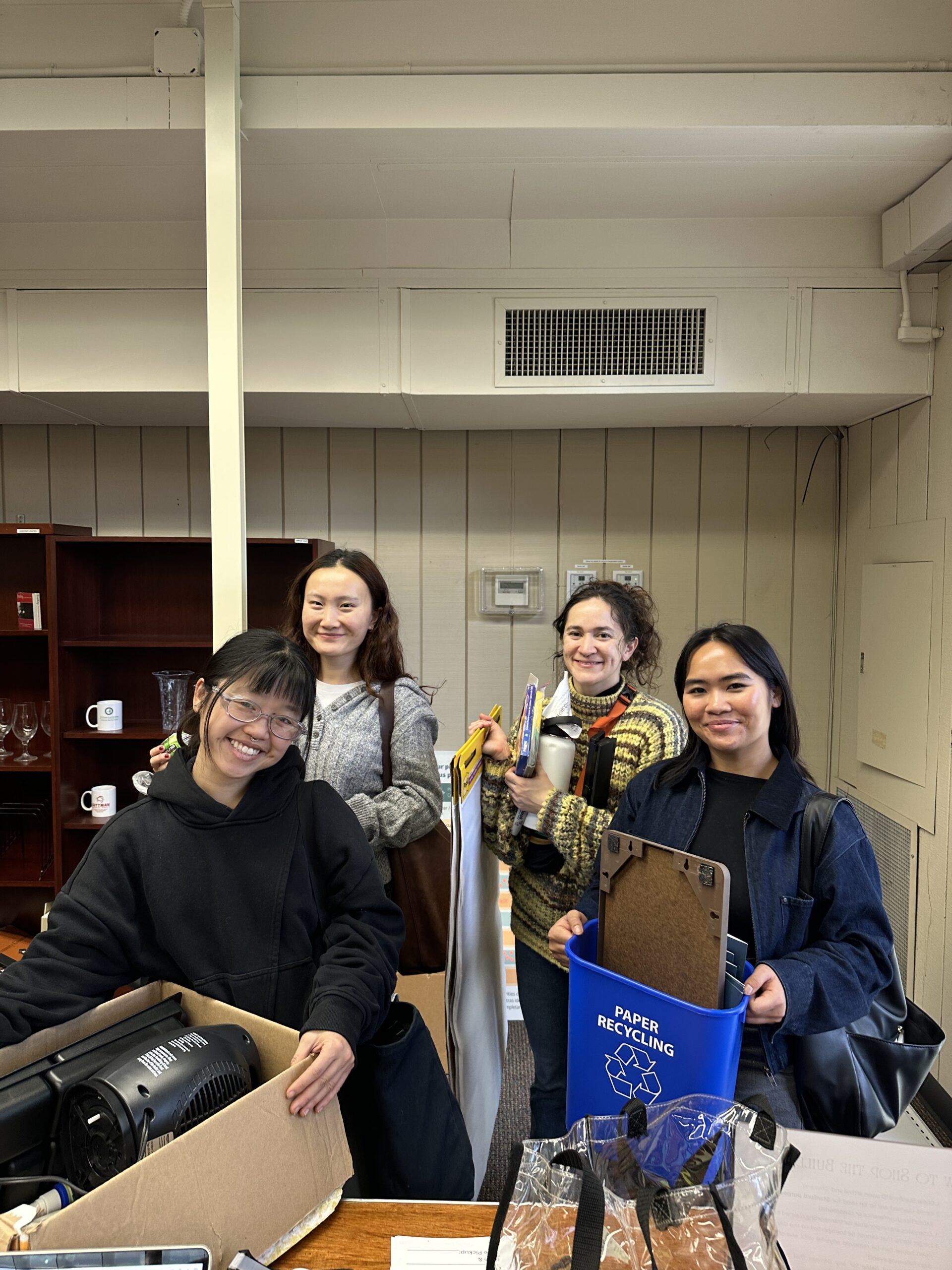
Stanford’s first open houses for decommissioned buildings keep over 3,500 items out of the landfill and back in circulation across campus.

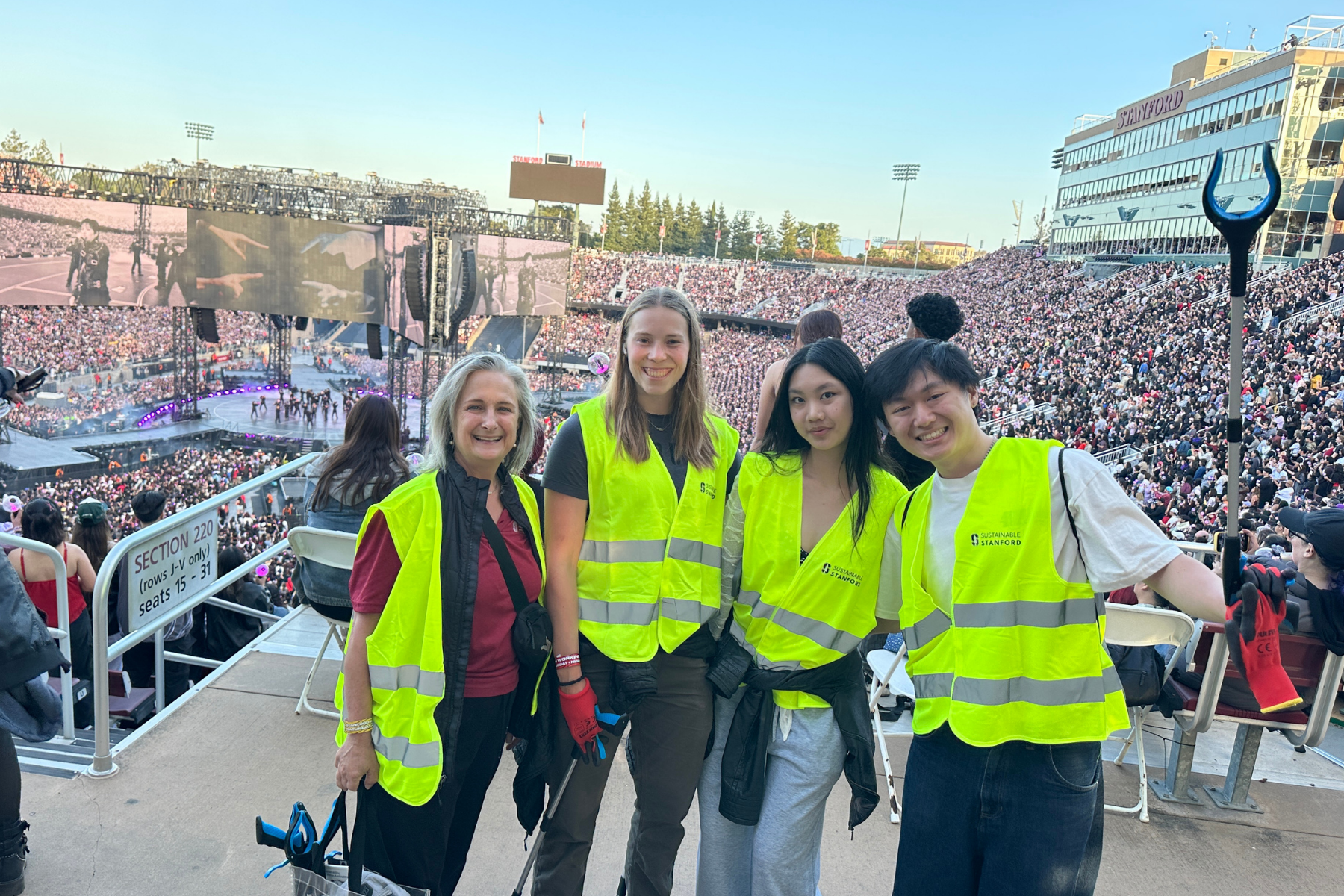
As the BTS ARMY descended upon Stanford Stadium for three massive, sold-out shows, an “army” of student and staff volunteers was ready to help sort the concert waste, resulting in 71% of material diverted away from the landfill.
More than 100 student and staff volunteers pitched in to sort the concert waste, ensuring materials ended up in the right bin. To maximize recycling and composting, all waste was processed at a local facility. Overall, 71% of the material was recycled or composted. Plus, at least 93% of the concession items sold were served in recyclable or compostable packaging, reducing landfill waste at the source and making it easier for attendees to sort correctly.
“I had a great time being a waste bin monitor and helping educate concert goers. Since the event, I have been more conscious about my own sorting of waste and have since helped my friends sort responsibly too!”
– Serena Turner, M.A. ‘26, Environmental Communications
Students and staff alike were excited about the extra perk for helping the campus be more sustainable. Volunteers, donned with bright yellow vests and waste pickers in hand, clocked many miles as they inspected bins across the Stadium grounds, dancing along with the BTS ARMY, all while educating concertgoers about Stanford’s sorting rules.
This volunteer opportunity helps make a meaningful impact on the waste generated from the concert, demonstrating Stanford’s commitment to zero waste. Plus, it offers a fun and memorable experience for students and staff—who knew waste sorting could be so fun?
Stanford’s first open houses for decommissioned buildings keep over 3,500 items out of the landfill and back in circulation across campus.
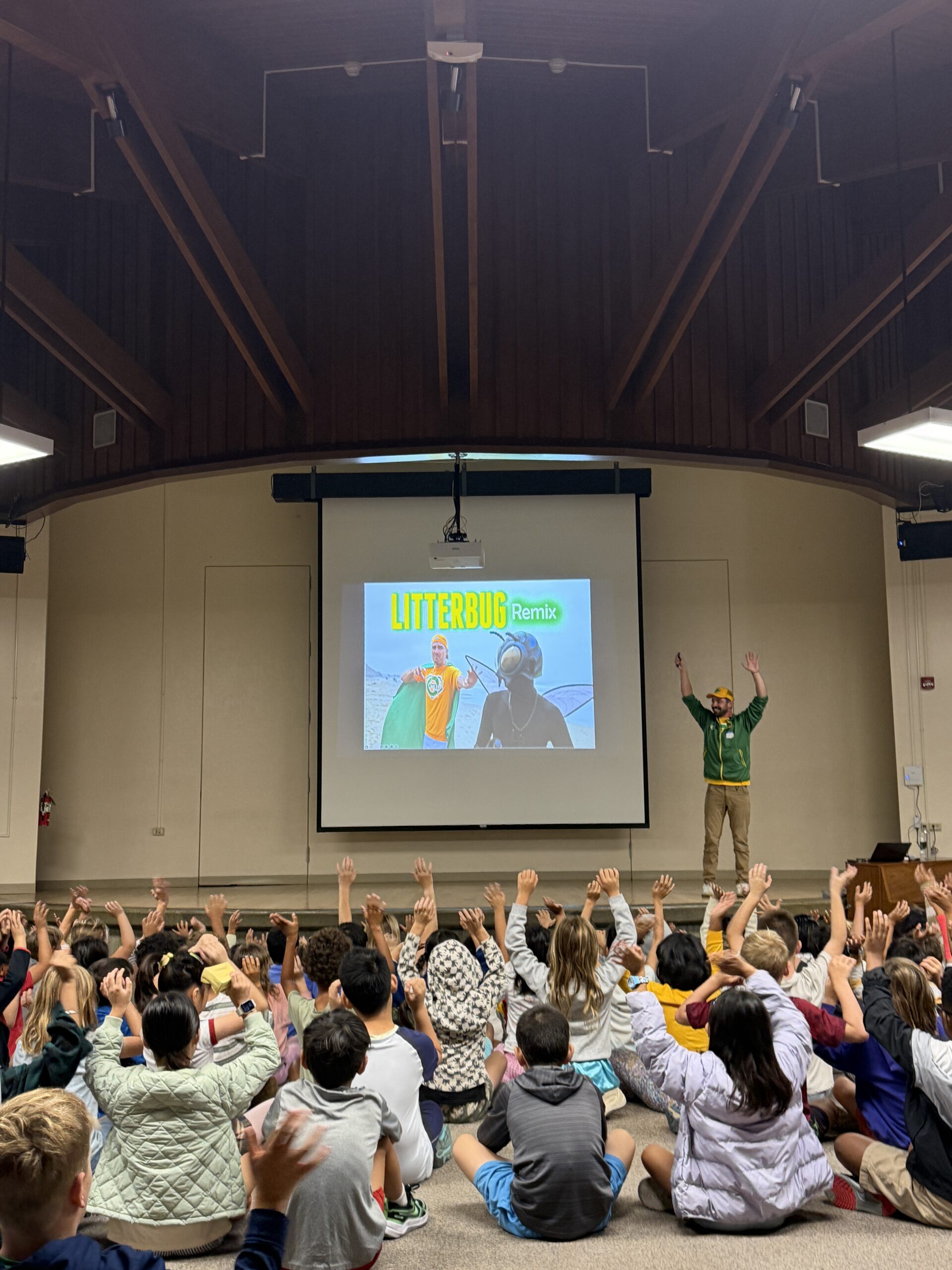
Through music, movement, and memorable lyrics, campus elementary school students discover how everyday choices impact the planet.
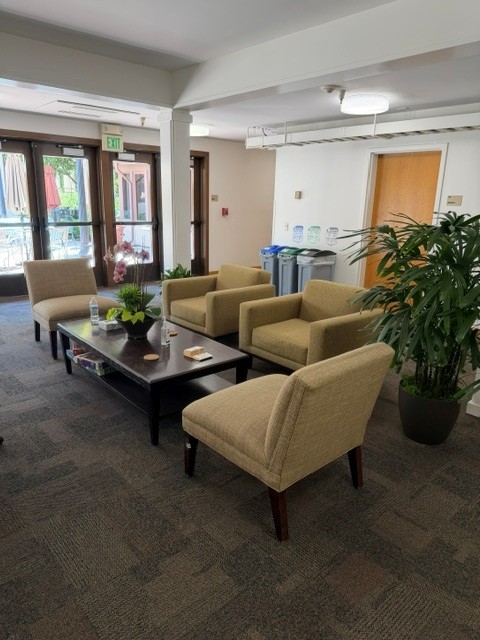
Staff partnerships are turning surplus furniture into practical solutions–saving money, reducing waste, and creating functional spaces without sacrificing aesthetics.