Protected: Improving Waste Sorting
There is no excerpt because this is a protected post.
The campus electric load is forecasted to exceed 80% capacity each day this week. Please reduce electricity from 2 to 6 p.m. this week to protect our overall campus power supply. (sustainable.stanford.edu/power-smart)

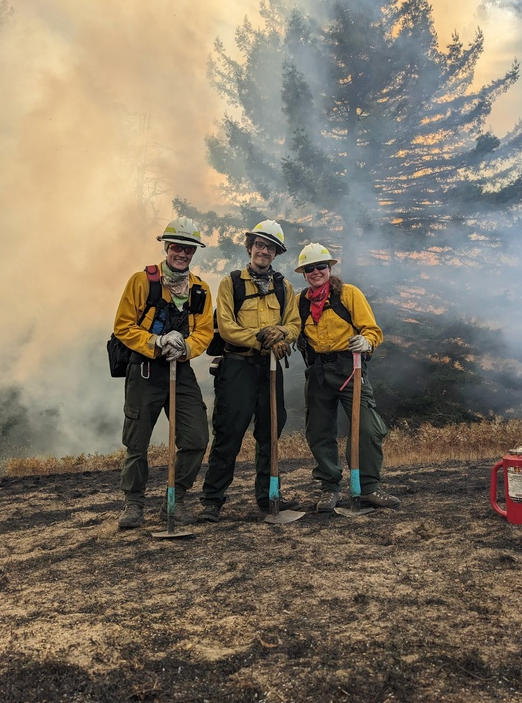
Stanford University’s has been selected as a recipient of the prestigious Wildfire Mitigation Award (WMA) for 2026, the highest national honor for exceptional achievement in wildfire preparedness and mitigation.
This recognition celebrates the team’s sustained commitment to reducing wildfire risk, advancing community resilience, and driving innovation in wildfire mitigation strategies. As climate change drives hotter temperatures and drier landscapes, wildfire risk continues to rise. Stanford’s award-winning wildfire initiatives are a key part of the university’s broader climate resilience strategy.
“Receiving a national Wildfire Mitigation Award is a testament to the talent, dedication, and collaborative spirit of Stanford University’s Wildfire Resilience Team,” said Cody Hill, Director,
Safety, Resilience & Emergency Response. “This honor reflects our team’s deep commitment to advancing wildfire risk reduction science and practice. We wouldn’t be here without the support of our senior leaders, our amazing Wildfire Resilience team, and local fire agencies and organizations.”
The Wildfire Mitigation Awards were established in 2014 by the National Association of State Foresters, the International Association of Fire Chiefs, the National Fire Protection Association,
and the United States Department of Agriculture Forest Service. The award honors outstanding program impact and leadership in wildfire mitigation across the United States. Since its inception, the WMAs have highlighted exemplary initiatives that make demonstrable contributions to protecting lives, structures, natural resources, and critical infrastructure from wildfire threats.
“This is the most meaningful work I’ve had the opportunity to contribute to in my 25 years at the university.” Many of us have been directly impacted by California wildfires, including myself. I’m grateful to the university for funding this important program, and I’m delighted that the program is receiving this award because it shines a spotlight on wildfire preparedness in our region.”
–Ramsey Shuayto, Director, Asset Management
Stanford was selected for its leadership in fire fuel reduction treatments, evacuation route hardening, piloting new wildfire detection technologies, and partnering with local agencies. Through these strategic partnerships, robust community engagement, and data-driven initiatives, the team has advanced wildfire resilience at the local and regional level.
“Mitigation emphasizes strategic fuel management rather than wholesale removal, increasing vertical and horizontal separation, reducing dead material, managing crown density, and selecting lower-flammability species where appropriate. Ongoing maintenance and site-specific planning are essential to long-term resilience,” said Michael Gladden, Stanford University Arborist.
“Wildfire mitigation is a shared responsibility that requires partnership across academia, government and community stakeholders,” said Rich Dean, Stanford University’s Fire Prevention Manager. “Stanford’s collaboration with local fire agencies such as Palo Alto, Woodside, and CalFire strengthens a holistic regional approach to preparedness and mitigation. These partnerships ensure that the work of SUFMO (Stanford University Fire Marshals Office) and Stanford Researchers translates into real‐world resilience. These relationships are essential
and will prove valuable in the event of a significant wildfire incident”.
For more information on the Wildfire Mitigation Awards, visit the National Association of State Foresters.
This story was originally published on Stanford’s Wildfire Resilience website and has been edited to reflect Stanford’s updated Climate Action Plan.
There is no excerpt because this is a protected post.
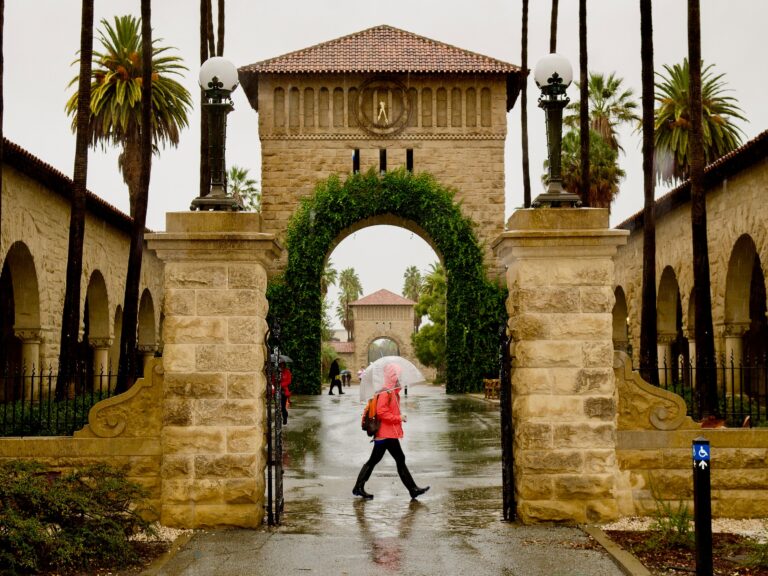
Past infrastructure enhancements for capturing and redirecting rainfall have strengthened campus readiness for winter storms.
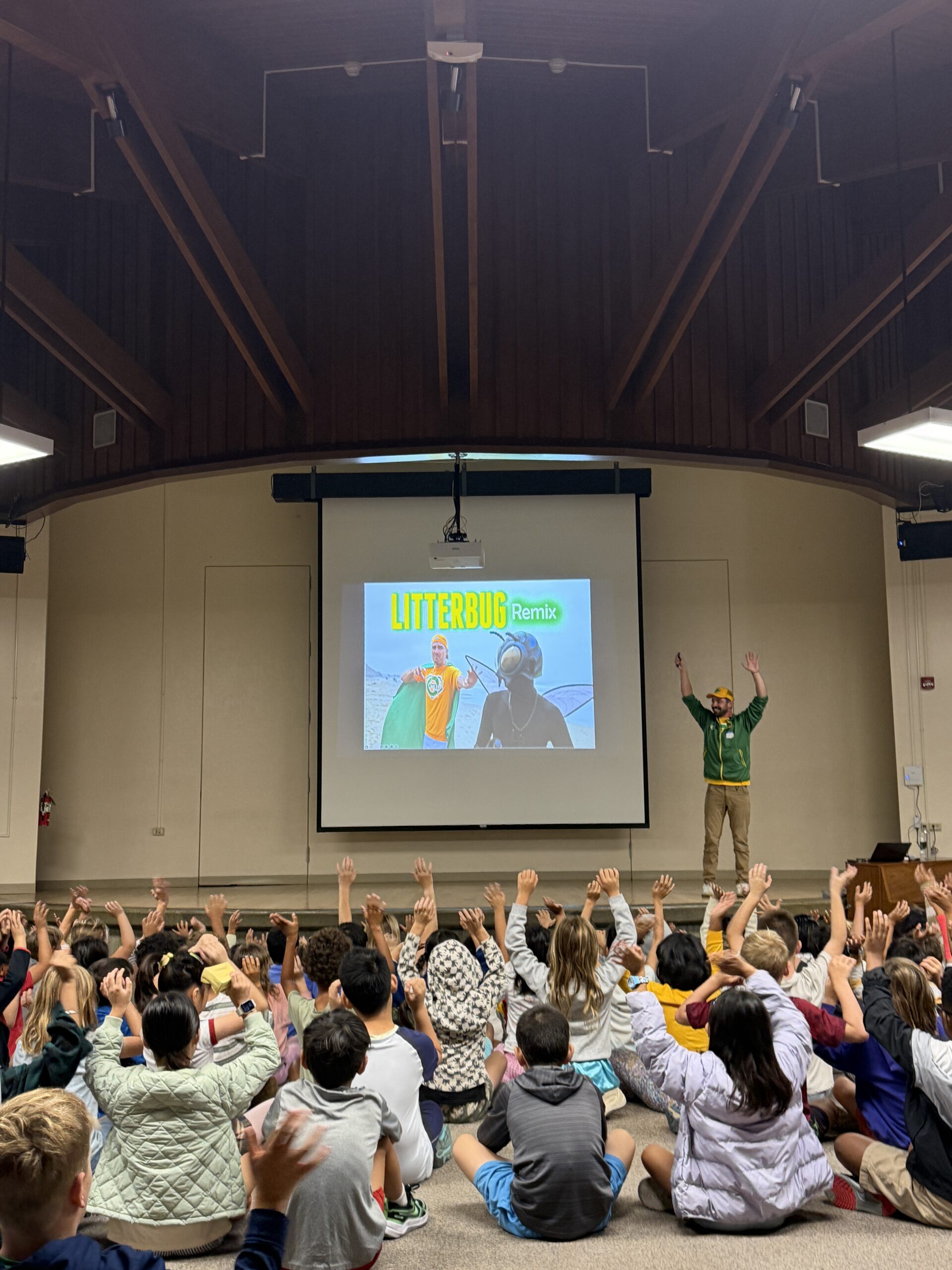
Through music, movement, and memorable lyrics, campus elementary school students discover how everyday choices impact the planet.