Music Makes Sustainability Stick for Stanford Elementary Students
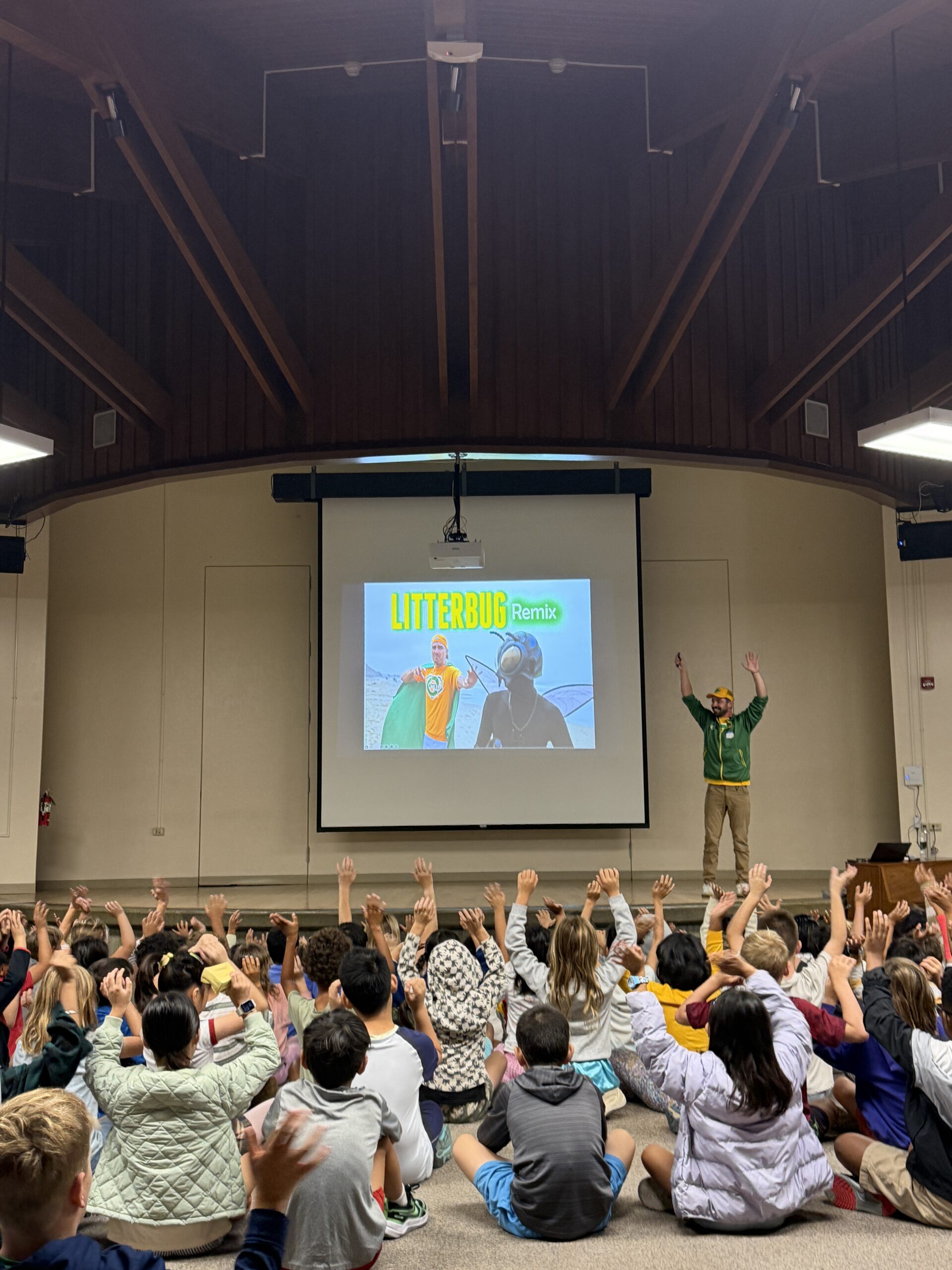
Through music, movement, and memorable lyrics, campus elementary school students discover how everyday choices impact the planet.

Have you ever wondered what happens to the furniture, equipment, and supplies inside a building once it is decommissioned? Oftentimes, items that cannot be easily reused, stored, or sold off campus end up in the landfill.
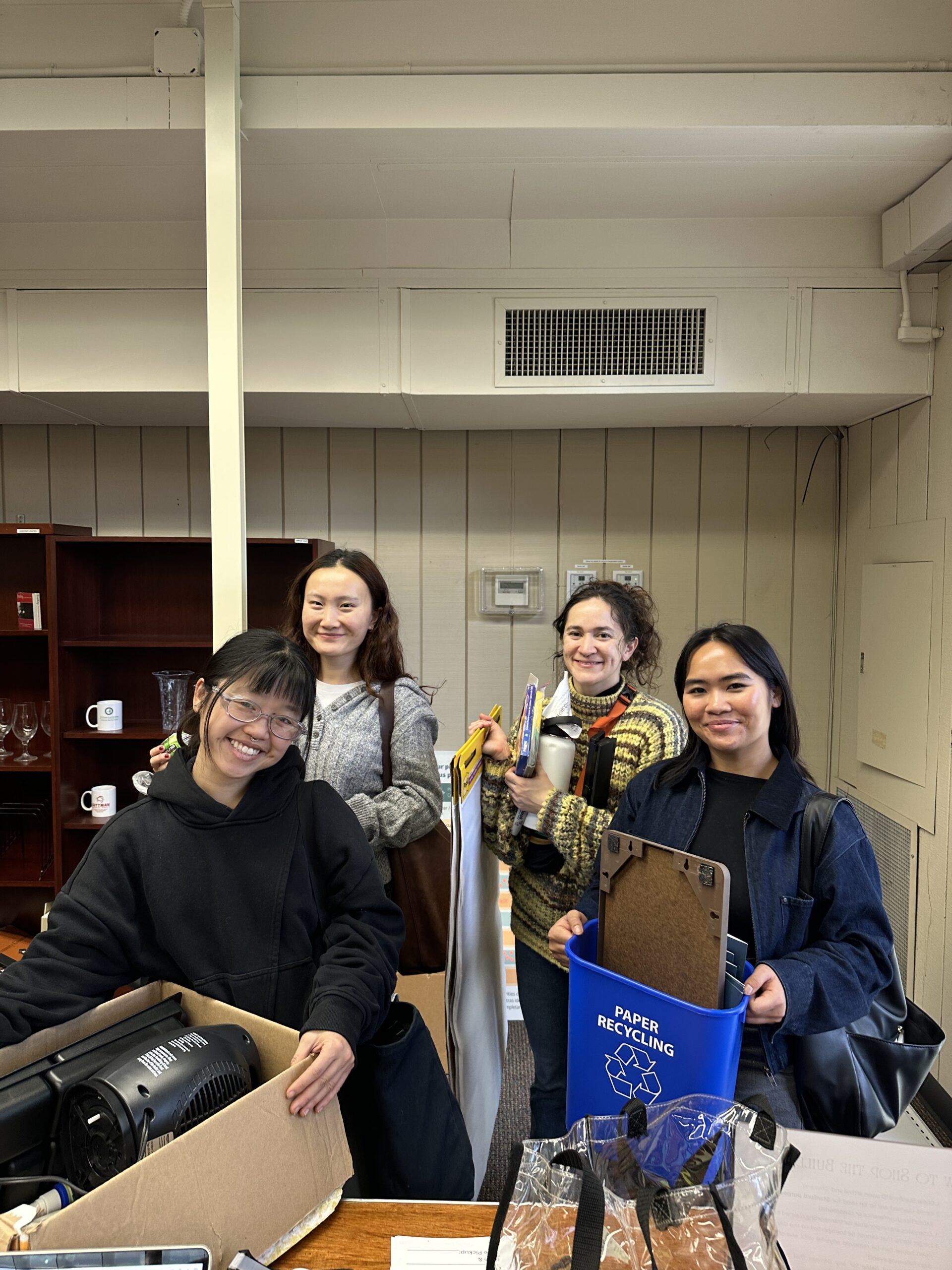
To help change that, Dr. Anna Gomes (‘26), a Sustainable Stanford Living Lab Fellow, hosted the first open house of its kind in a group of soon-to-be decommissioned buildings.
Across two separate open house events, members of the Stanford community were invited to “shop campus first,” a tagline coined by Anna, and take available items–for free–to be used elsewhere on campus. Part treasure hunt, part celebration, the event invited attendees to explore every cabinet and every drawer for hidden gems, creating a lively atmosphere of creative reuse, connection, and joy.
The open house drew more than 250 people from over 100 Stanford departments who helped recirculate more than 1,000 items across campus–from appliances and electronics to furniture, decor, and general office supplies. By finding new homes for existing items, the open house kept an estimated 13,000 pounds out of the landfill and nearly $50,000 in new-purchase costs.
This “shop the building” approach also helps project managers more easily redistribute items across campus. When Bonair Siding, a series of Stanford buildings slated for demolition, was cleared out, Maya Fallaha, Project Manager in the School of Humanities, helped redirect furniture before it could be discarded. By leveraging the Reuse Slack channel, the ReUse website, and opening up the building to Stanford departments, she helped redistribute over 104 furniture items across campus, saving $20,000 and keeping 7,300 pounds of material out of the landfill. What might have become waste instead continues to support workspaces and projects across Stanford.
“Efforts like this show how integrating sustainability into everyday project decisions can deliver meaningful environmental and financial benefits,” – Maya Fallaha, Project Manager, School of Humanities
When Theo Van De Sande, facilities operations manager with Carnegie Science, began managing the move-out of the Carnegie lab buildings, he made reuse a priority, ensuring that valuable equipment and supplies no longer needed could be put to use elsewhere on campus.
Building on the successes of the first open house event, Theo worked with Anna to host a second “shop the building” event that drew an estimated 500 people from across campus.
Over 2,500 items were claimed, a majority of which were lab supplies and equipment. Items ranged from glassware, pipettes, and centrifuges to large freezers and other cold-storage equipment.
In total, the event kept more than 14,000 pounds of material in use on campus, avoided an estimated 30.6 metric tons of CO2-equivalent emissions, and helped prevent approximately $200,000 in new purchasing costs.
Through music, movement, and memorable lyrics, campus elementary school students discover how everyday choices impact the planet.
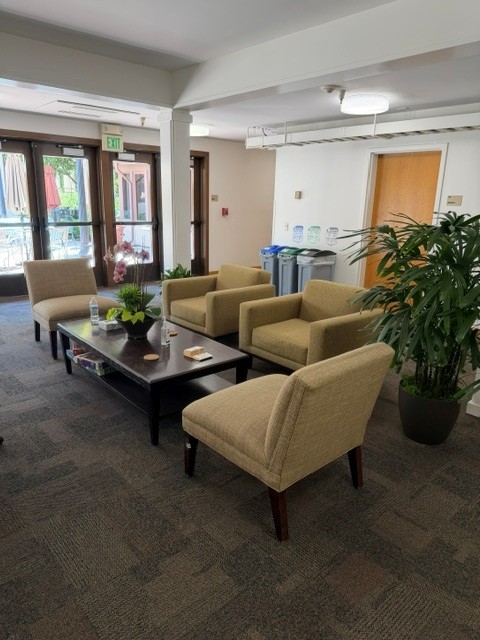
Staff partnerships are turning surplus furniture into practical solutions–saving money, reducing waste, and creating functional spaces without sacrificing aesthetics.
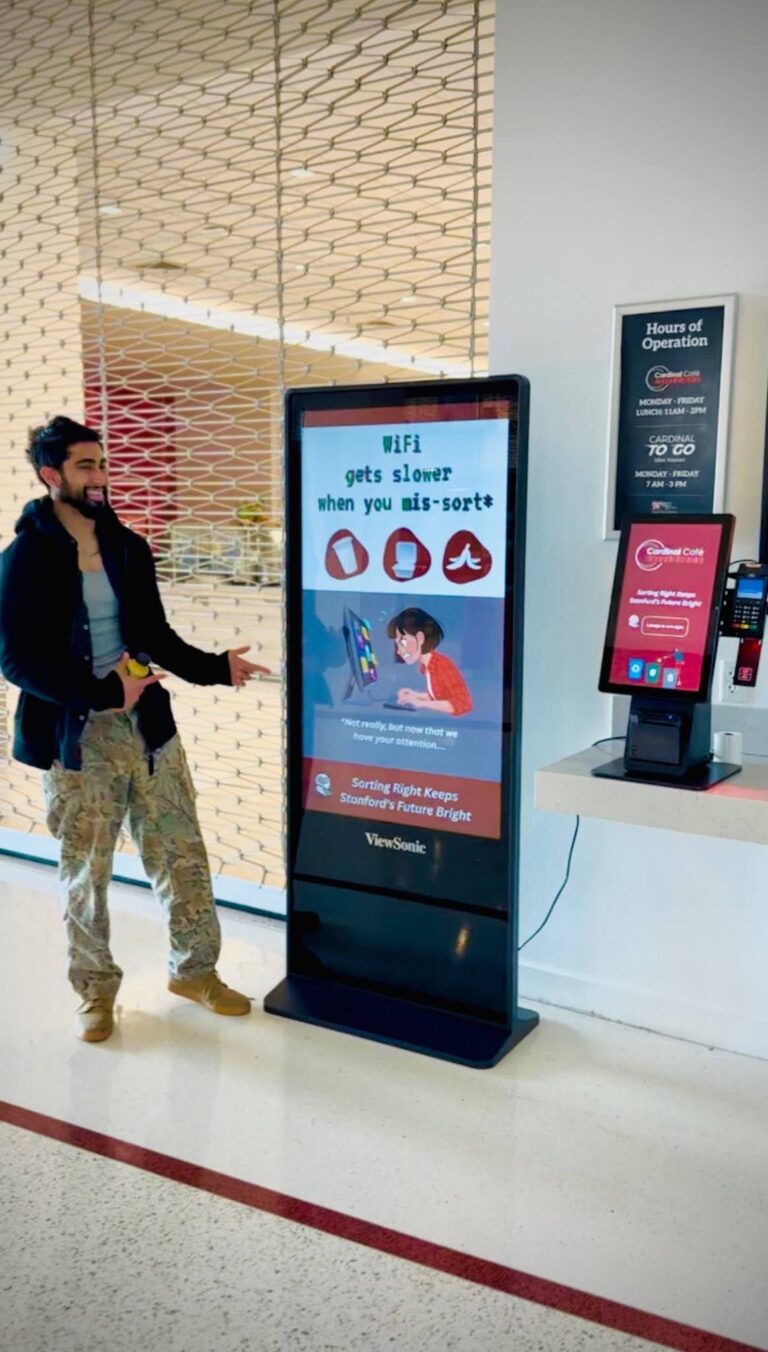
Humor-driven signs and a digital pledge cut Cardinal Café sorting mistakes by 10%.