From a sushi bar to rajma chawal, students at Palo Alto Unified School District (PAUSD) are enjoying more diverse, nutritious meals—served in ways that are better for the planet. Two of the schools within PAUSD, Nixon and Escondido Elementary, lie within Stanford’s campus, and contribute directly to the university’s sustainability goals.
Leading this transformation is Alva Spence, Child Nutrition Manager at PAUSD, who is pioneering a model of school cafeterias that’s both sustainable and student-centered. In recent years, the district has shifted from a centralized kitchen model to on-site kitchens at each school, where chefs now prepare meals from scratch using fresh ingredients.
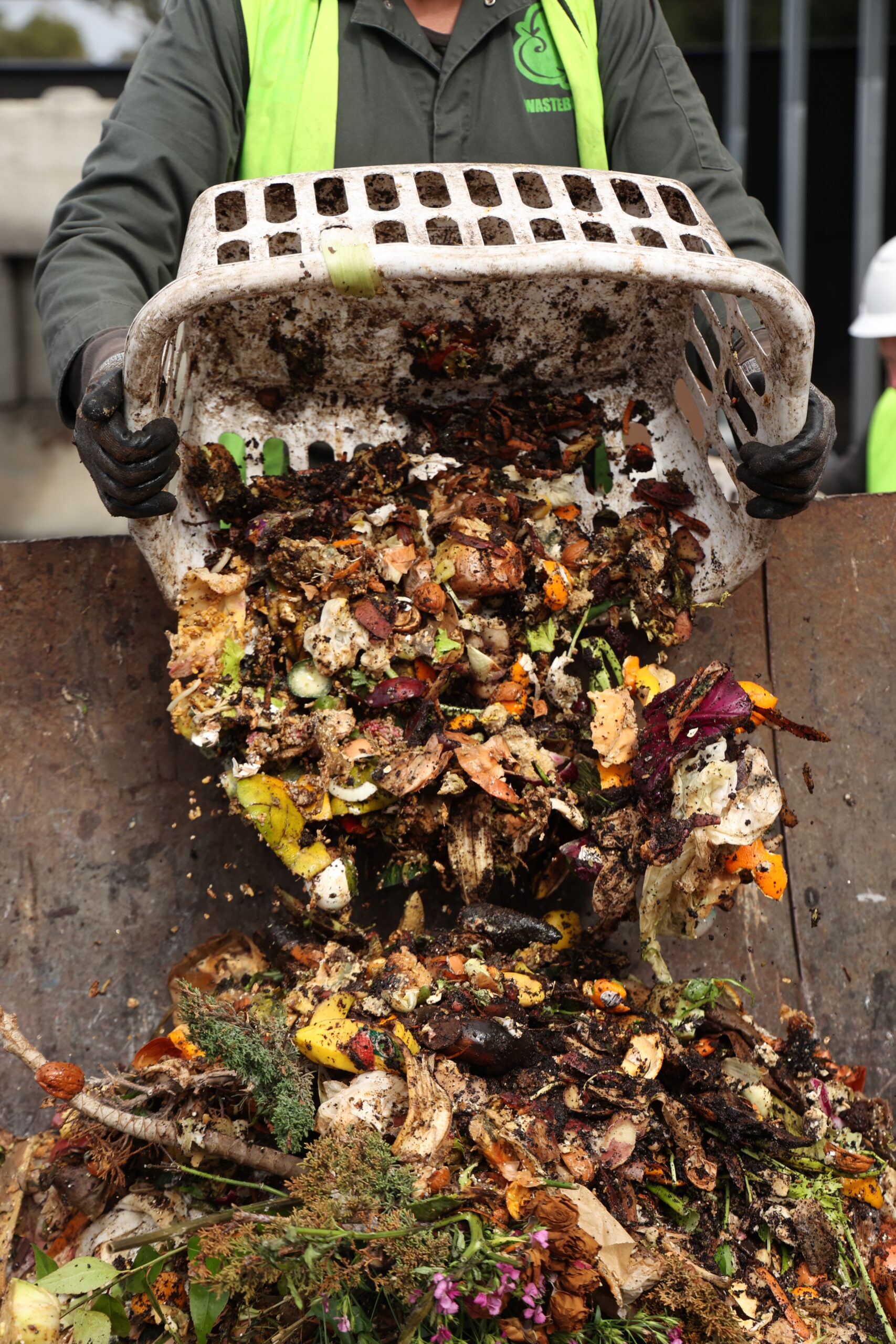
But the innovation doesn’t stop at the menu. These new kitchens are equipped with reusable stainless steel kitchenware, no single-use plastics, and streamlined waste sorting systems, making sustainability a key ingredient in every meal.
A huge part of making this transition successful is learning through experimentation. One standout success has been the implementation of a “share table”—a simple but effective solution that allows students to place untouched food on a designated table for others to take, reducing food waste and encouraging community sharing.
The district is also exploring on-site food production. Using grant funding, PAUSD purchased hydroponic farms in February, allowing schools to grow their own romaine lettuce and extend the growing season for certain crops. It’s a hands-on learning opportunity that brings nutrition and sustainability into the classroom.
“Not only are we cooking from scratch but now we can also grow our own stuff and incorporate the kids into it,” -Alva Spence, Child Nutrition Manager
To help students and families understand—and get excited about—these changes, the district hosted assemblies and tasting events where students, parents, and community members could sample new dishes and give feedback. At Gunn High School’s Tasting Event, more than 2,000 people showed up to try the food and engage in the conversation.
This kind of outreach has helped build support and enthusiasm, especially among younger students. But Spence notes that shifting habits among older students has been more difficult. She explained that the size of the high school campus as well as the fixed mindset that older students have has made it difficult to make sustainable change.
For other districts looking to follow in PAUSD’s footsteps, Spence emphasizes the importance of early stakeholder engagement. “If you iron out all the pieces in the beginning, nobody can say they didn’t know.”
By combining culinary creativity, sustainability, and community involvement, Palo Alto Unified School District is proving that school cafeterias can be a powerful tool for education—and for climate action.