Protected: Leave Your Legacy by Supporting Stanford’s Conservation Program
There is no excerpt because this is a protected post.

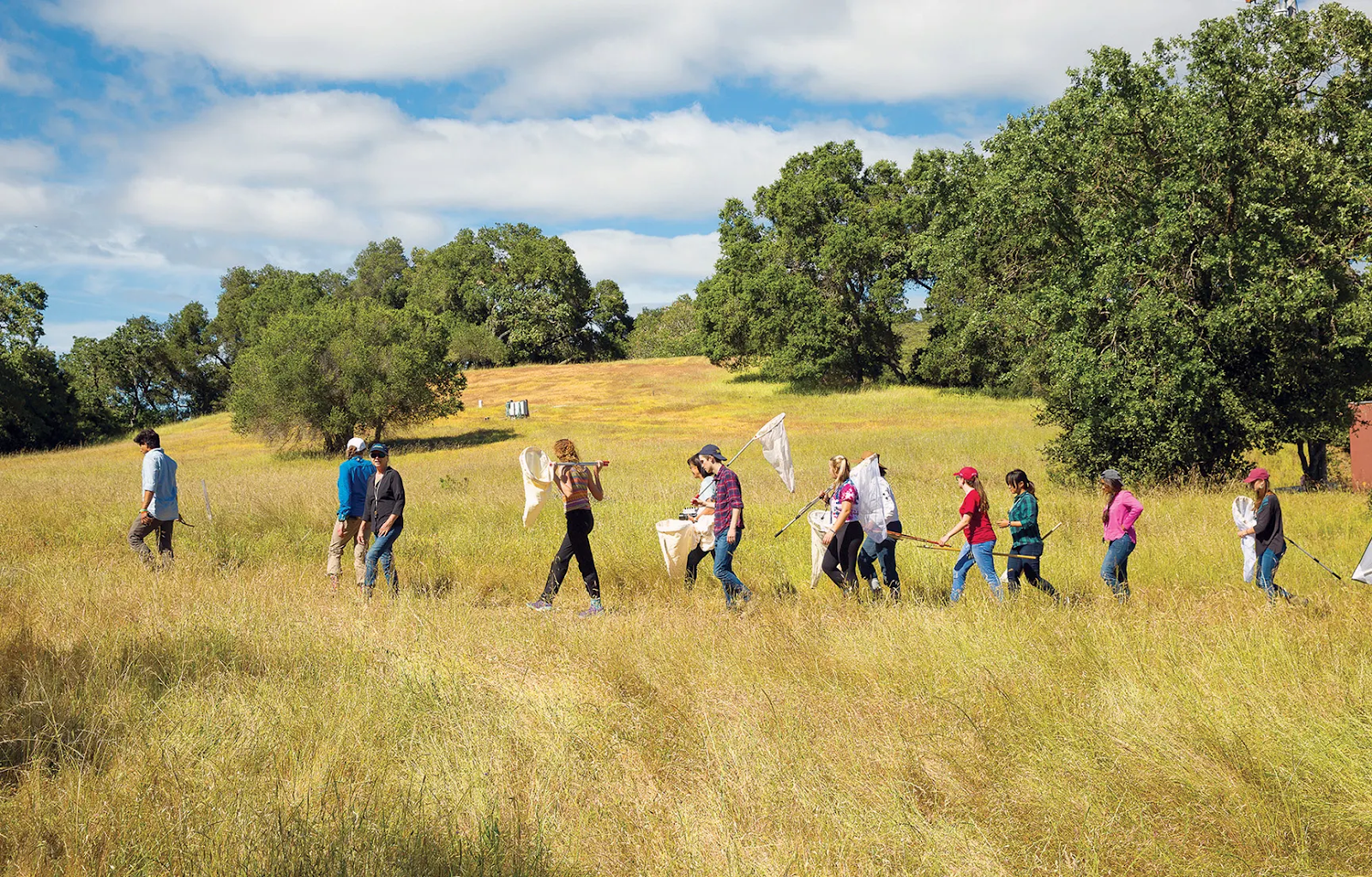
Nestled in the eastern foothills of the Santa Cruz Mountains, Jasper Ridge Biological Preserve ‘Ootchamin ‘Ooyakma (JRBP’O’O) spans 483 hectares of stunning geologic, topographic, and biological diversity. More than a refuge for native plants and animals, the preserve serves as a living laboratory—welcoming researchers from around the world and providing immersive learning experiences for students and visitors alike.
According to Dr. Jorge Ramos, Executive Director of Jasper Ridge, one of the preserve’s primary goals is to “understand Earth’s natural processes through research, education, and stewardship.” In recent years, that mission has expanded to include making Jasper Ridge a more inclusive and welcoming space, especially for the Indigenous communities whose ancestral lands it occupies.
In partnership with the Muwekma Ohlone Tribe, Jasper Ridge has begun reimagining sustainability through a more inclusive, human-centered lens. This summer, the tribe held a three-day campout at the preserve, reconnecting with the land and participating in workshops on language revitalization, basket weaving, and cultural burns—all important steps in restoring cultural practices.
Jasper Ridge is also at the forefront of wildfire resilience and research. As part of Stanford’s 2021 Wildfire Management Plan, the preserve collaborated with faculty, students, the Stanford Fire Department, and the Muwekma Ohlone Tribe to implement a two-part approach: a firebreak around the perimeter and a prescribed burn to manage vegetation buildup.
This effort has inspired new research projects across campus, helping to answer broader questions about how traditional fire practices and scientific approaches can work together to address climate change.
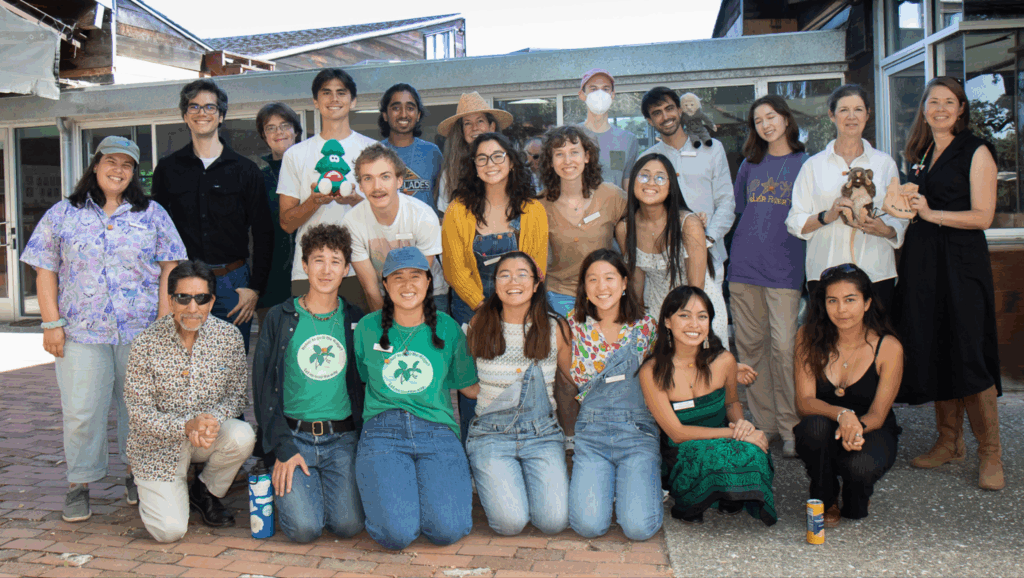
For students, Jasper Ridge offers unparalleled opportunities to learn by doing. Each year, the course Ecology and Natural History of Jasper Ridge trains 20 students to become docents, empowering them to share their knowledge with visitors. More than 30 Stanford courses from departments across campus also take field trips to the preserve, bringing academic subjects to life in a real-world context.
Research initiatives like Stanford SEED, the Environmental Justice Working Group, and the Intern Stewardship Program provide even more ways for students to engage directly with the land—conducting research, learning stewardship skills, and exploring careers in conservation.
As he looks to the future, Dr. Ramos is eager to see how the data collected at Jasper Ridge can be shared more widely. “How are we recording all of our research projects in a long-term format so researchers and students can access it?” he asks. He also sees the preserve as a training ground for future environmental leaders.
“We need a lot of people who are familiar with getting to know an ecosystem so that they can protect it in the future… because a future without nature, I’m really scared of.” -Dr. Jorge Ramos
There is no excerpt because this is a protected post.
From sustainable beats and food recovery leaps, the year 2025 set a new standard for Stanford traditions and operations.
The university earns STARS Platinum in version 3.0, the highest score under the sustainability rating system.