

Student Sustainability Groups Directory
Directory to explore sustainability student groups on campus and discover ways you can contribute to sustainability efforts on campus and in the world.
Directory to explore sustainability student groups on campus and discover ways you can contribute to sustainability efforts on campus and in the world.

Current and former Stanford students keep the university’s sustainability legacy alive at the All Alumni Day Farm Fest.

Stanford has launched a dedicated Responsible Purchasing Department to advance sustainable procurement practices and strengthen supplier partnerships.

Sixty-one Stanford students are driving real change in sustainability through the Living Lab Program, tackling real issues while gaining hands-on experience.

Over 1,700 new first-year students were welcomed with proper waste sorting tips as they moved into their dorms this year.
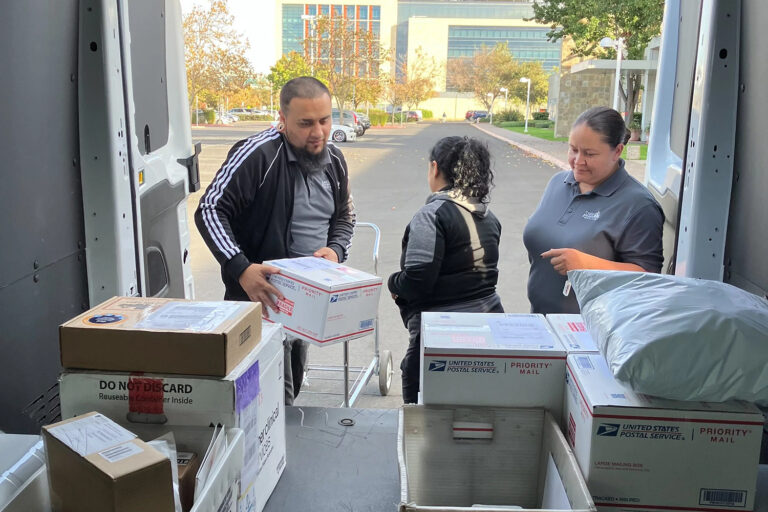
Mail and Package Services’ last mile program reduces emissions and traffic congestion, contributing to the university’s net zero emissions goal.

Proper sorting is now easier than ever, with over 9,000 new bins installed, thousands more reused, and over 30,000 new labels and signs added.

This test event is set for Mar 21 at 12:00 PM to Mar 22 at 1:00 PM to see how a multi-day event will appear. …

Stanford’s Give & Go move-out donation program collected 69 tons of items—26% more than last year—helping divert waste from landfills and support community partners in the process.

The new Reusable Dish Pilot Program is turning donated dishware into a zero-waste success, making reusable options more convenient and helping shift campus culture.