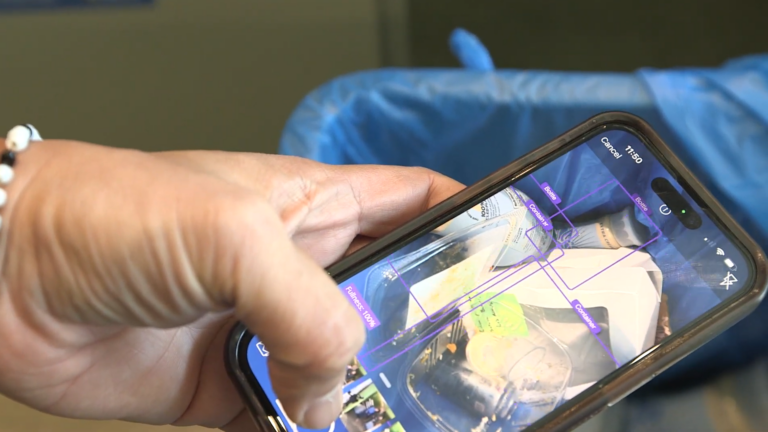
Machine Learning Insights for Better Waste Diversion
Stanford uses machine learning to translate routine waste-handling photos into information campus teams can act on.

Every journey matters, whether it’s a study abroad adventure or a trip home for break. While personal student travel emissions aren’t classified as a standard category by the Greenhouse Gas Protocol, Stanford takes a proactive approach to account for these emissions to further deepen the university’s commitment of taking responsibility for its emissions.
Explore this page to learn more about student travel emissions, steps to minimize environmental impact, and how you can be part of the journey towards a more sustainable world.
When planning a trip off campus over breaks, there are ways to make travels more sustainable.
There are fun activities on and near campus during breaks, especially during Thanksgiving and Spring Break. Stanford provides great programming and opportunities, and there’s much to explore locally, such as the Farmer’s Market, the Cantor Arts Center, and Stanford athletic events. Check out the Stanford Events calendar for more ideas.
Studying abroad is an incredible opportunity to explore new cultures, expand your education, and broaden your perspective — and it’s also a great time to practice sustainable habits that can stay with you long after your program ends. Once abroad, take advantage of local travel norms like biking, walking, and using public transportation such as trains, trams, and metros — it’s often the easiest, most affordable, and most sustainable way to get around. Consider bringing a reusable water bottle, utensils, and tote bag, and try supporting local markets and sustainable businesses when possible. Small choices add up, and your global experience can have a lighter footprint with just a few intentional steps.
Stanford uses machine learning to translate routine waste-handling photos into information campus teams can act on.

Info about the wide range of goods and services is spread across a number of sources, and machine learning helps Stanford make sense of this data.
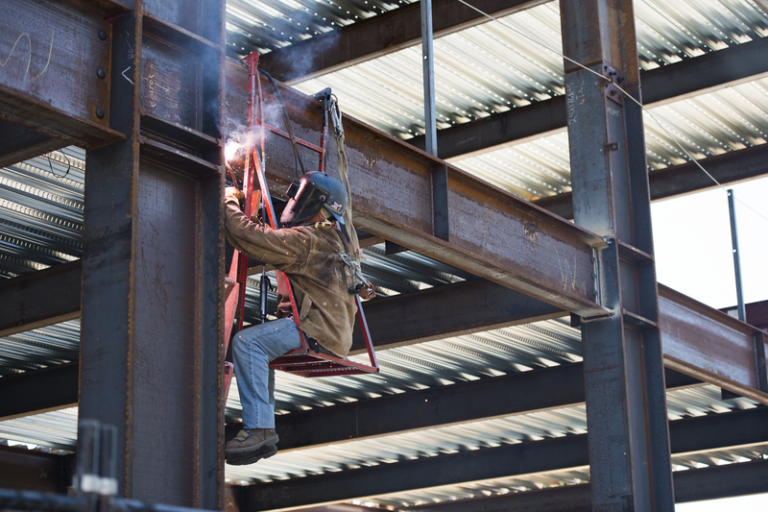
Stanford is testing whether machine learning can close the gap on making lower-carbon design decisions during initial planning stages.