Project: Using Machine Learning for Calculating Construction Emissions
Ponsu Muthuraman ’26 evaluated the use of a machine learning tool to improve construction carbon emission estimation.

Almost 11% of Stanford’s carbon emissions stem from the process of generating steam for use across campus. While steam was previously used for heating and hot water, the campus moved away from this over a decade ago, and prior to this project, the remaining applications of steam were largely unknown. In order to address this source of emissions and eventually phase out the Process Steam Plant, it is critical to know what steam is being used for and in what quantities.
The primary goal of this project was to identify the remaining applications of steam across campus and investigate potential alternatives that could meet those research needs without relying on fossil fuel-generated steam. Detailed knowledge of steam-based equipment already existed, but was distributed among the building managers and maintenance personnel that directly oversee that equipment, so the first step of this project involved centralizing that information. The next step was to compare this granular equipment-level knowledge with building- and campus-level consumption data to see how much steam different processes accounted for. For the final step in this project, alternatives to centrally-generated steam were explored for the main research applications identified to find greener alternatives that would reduce the campus’s carbon footprint without affecting research operations.
Evaluated alternatives to reduce reliance on Stanford’s natural gas-fired steam plant, a major source of Scope 1 emissions
Engaged stakeholders, assessed steam usage and efficiency improvements, such as automatically detecting abnormal usage of equipment
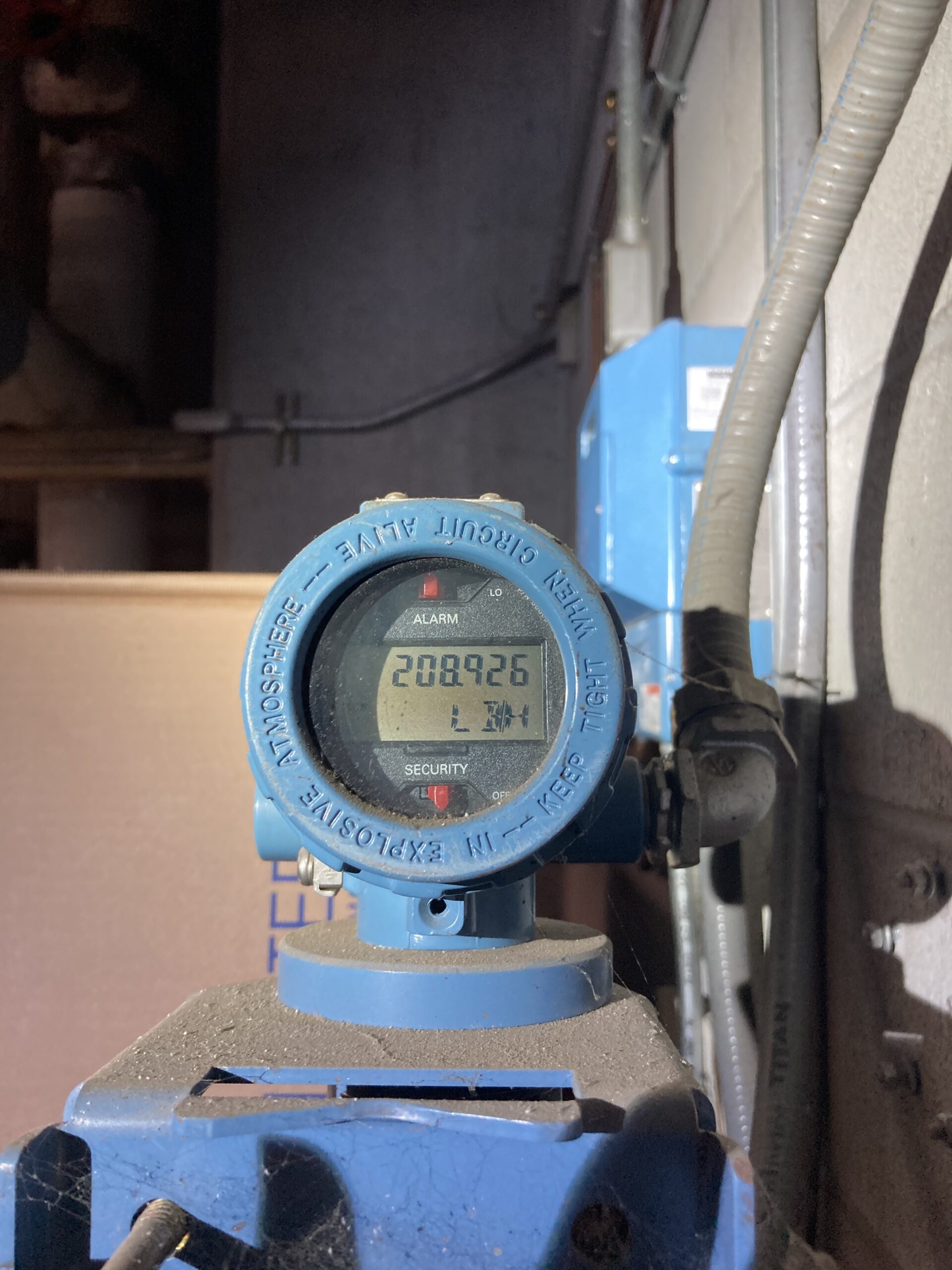
First, we conducted walkthroughs of buildings connected to the Process Steam Plant to log equipment, building a campus level database. This database describes each piece of equipment that relies on process steam, including key information like the makes, models, and where available, and usage frequency. We then calculated expected steam consumption for each building based on its assortment of equipment, and compared this expected steam usage to the actual measured usage. For key types of equipment observed across many buildings, we then researched alternatives that operate independently of centrally generated steam.
From this analysis, we found that the vast majority of steam-using equipment on campus serves one of two two purposes: dishwashing glassware or sterilizing research materials. Since most equipment falls into these two categories (glasswashers and autoclaves), we investigated alternative devices that meet these cleaning and sterilization needs without reliance on process steam, and began some of the groundwork to set up rebate systems to incentivize these greener alternatives.
When comparing building level usage to the expected values we calculated, however, we found that for several buildings, the observed usage greatly exceeds the amount expected based on the equipment in use. This prompted further investigation into the infrastructure of those buildings, revealing that relatively simple maintenance issues such as steam traps failing could result in substantial steam loss.
From our findings so far, we have identified glasswash systems and autoclaves as the main end points for process steam on campus, so moving forward, we will focus on these applications to move away from fossil fuel-generated steam. We have started exploring alternative equipment for washing and sterilizing research materials and plan to provide rebates for these options, motivating a voluntary transition away from process steam reliance.
During the process of comparing expected usage to measured usage, we found that for several buildings, there are large discrepancies which seem to arise from maintenance issues that allow unused steam to escape into the atmosphere. This steam loss accounts for thousands of pounds of CO2 annually, so we will implement measures to more quickly detect abnormal usage and mitigate this steam loss in the future.
While both of the measures above will decrease process steam use, our ultimate goal is to completely shut down the steam plant and any reliance on natural gas for steam generation. This will require either campus-wide adoption of process steam-free equipment, or larger scale solutions such as installation of electric boilers. Investigating the feasibility of these two options is the next key step for moving away from natural gas-generated steam on campus.
This project will continue into 2027, tracking down steam usage in a few remaining buildings and setting up rebates to facilitate transitions to greener systems. Additionally, the work will entail implementation of automatic data analysis steps to catch maintenance issues as they arise. The main goal during this next year, however, will be connecting the information gleaned during the first fellowship year with Stanford’s ultimate goal of moving away from natural gas-generated steam.
PRIMARY PARTNER: Land, Buildings & Real Estate (LBRE)
Rachel Porter is a PhD candidate in Biophysics at Stanford University and a Sustainable Stanford Fellow, combining research experience in laboratory operations with data analytics expertise to lead an initiative to decarbonize process steam across campus research facilities.
Ponsu Muthuraman ’26 evaluated the use of a machine learning tool to improve construction carbon emission estimation.
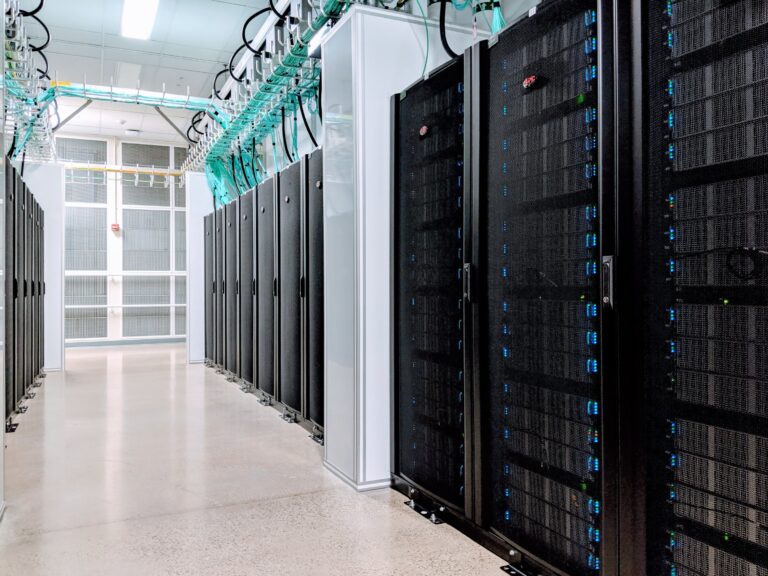
Danica Sun ’28 explored smarter resource use for one of Stanford’s major computing clusters.

From stakeholders’ willingness for trade-offs to a green game plan, the student interns and fellows presented on their operational accomplishments from the year.