Treasure Hunting at Campus Open Houses Attracts Hundreds
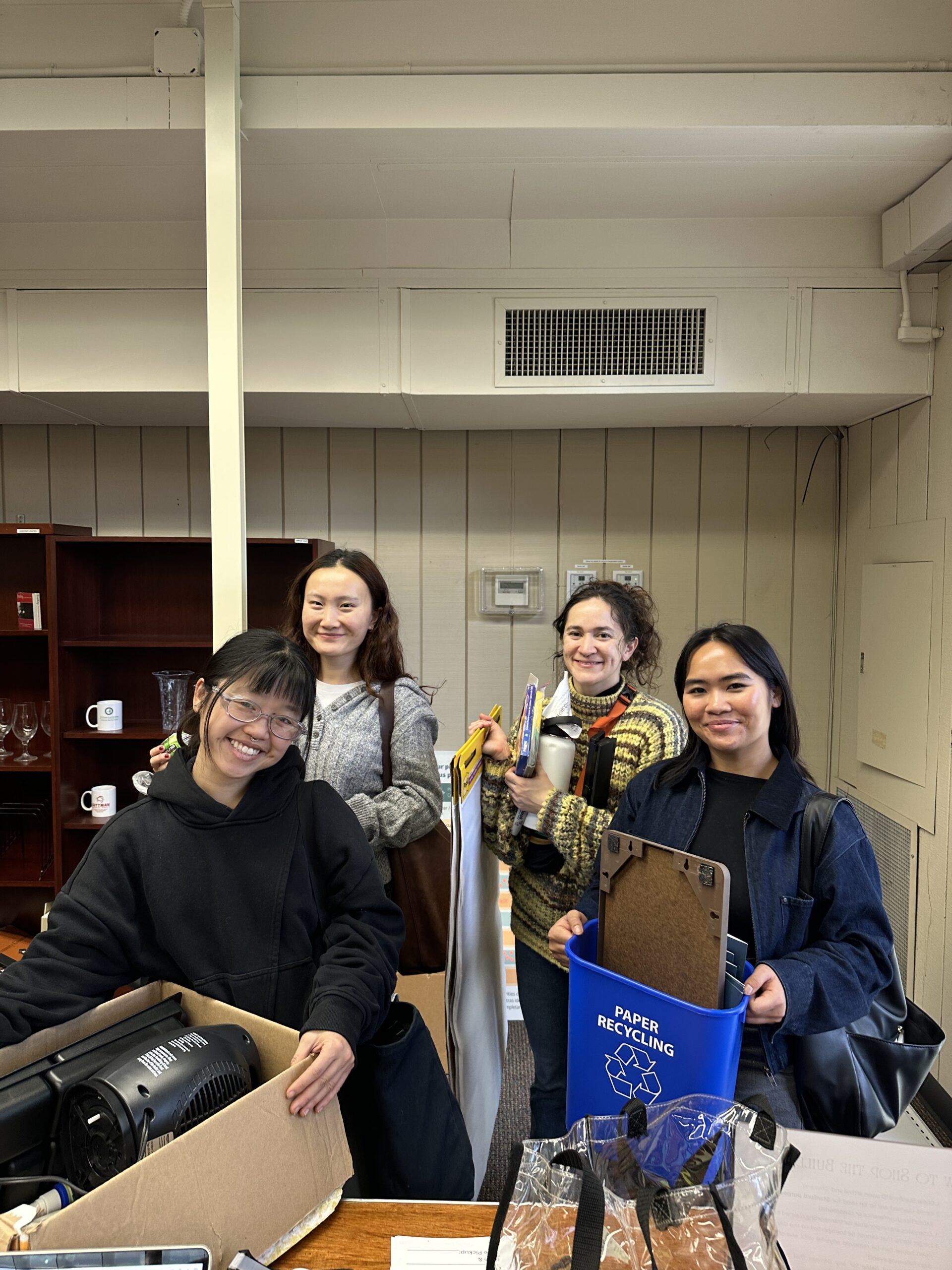
Stanford’s first open houses for decommissioned buildings keep over 3,500 items out of the landfill and back in circulation across campus.

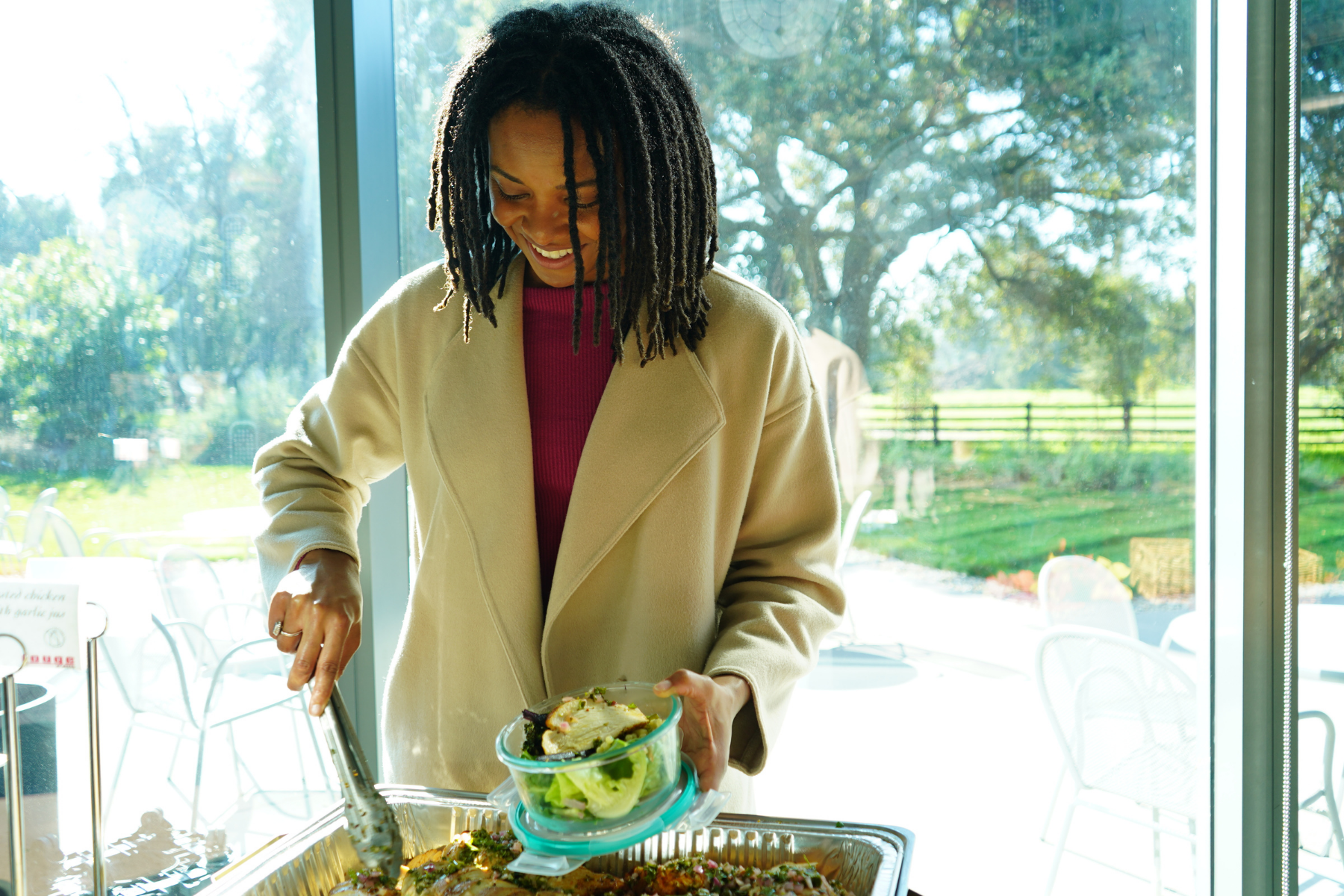
Stanford has a long history of donating excess food— including formal efforts to donate food from dining halls, student-led initiatives to rescue food from events, and informal efforts from cafes and event planners to give away excess to staff and students at the end of a shift or event.
In 2025, Stanford expanded its formal food recovery efforts by piloting a mobile app to make it easier for cafes and events on campus to donate food that is still good to eat.
Eight entities participated in the pilot, delivering over 2,000 meals to the local community— within an average 6-mile radius from campus. This prevented 7.5k lbs of CO2 emissions, equivalent to the energy needed to charge 257.1k smartphones, and saved over 554.8k gallons of water, translating to 32,000 showers.
The pilot helped automate and streamline donations of excess food and supported 15 local nonprofits, building out a system to ensure high-quality food is getting to people who need it.
“The donation from Stanford was amazing! The variety of items was truly beautiful and a blessing…we used it to serve lunch to our shelter residents.”
– Food donation recipient, Project WeHOPE, a nonprofit mobile homelessness service in East Palo Alto
After the success of the pilot, the initiative continues with all cafes and event planners across campus now having access to the mobile app to schedule free pick-ups of excess food— from beverages to burgers.
In total, across dining halls, cafes, and events, over 21,000 pounds of food were donated in 2025— delivering climate and community wins.
In addition to the donation efforts, Stanford’s dining halls, cafes, and event planners employ various waste reduction strategies to stop food waste from the start. These strategies include managing ingredients for longer shelf life, reutilizing excess food in new dishes, and giving away surplus food to staff and students. Preventing waste before it happens saves on operational costs and supports the university’s zero waste targets.
pounds of food diverted
meals donated to local non-profits
pounds of CO2 emissions saved
gallons of water saved
The donation from Stanford was really excellent! We took the food directly to the unhoused and were able to feed 200 people, and also shared some with our clients that are families in need. We really appreciate it and would be glad to receive these donations anytime!
– Food donation recipient, Muslim Sisters Helping
Stanford’s first open houses for decommissioned buildings keep over 3,500 items out of the landfill and back in circulation across campus.
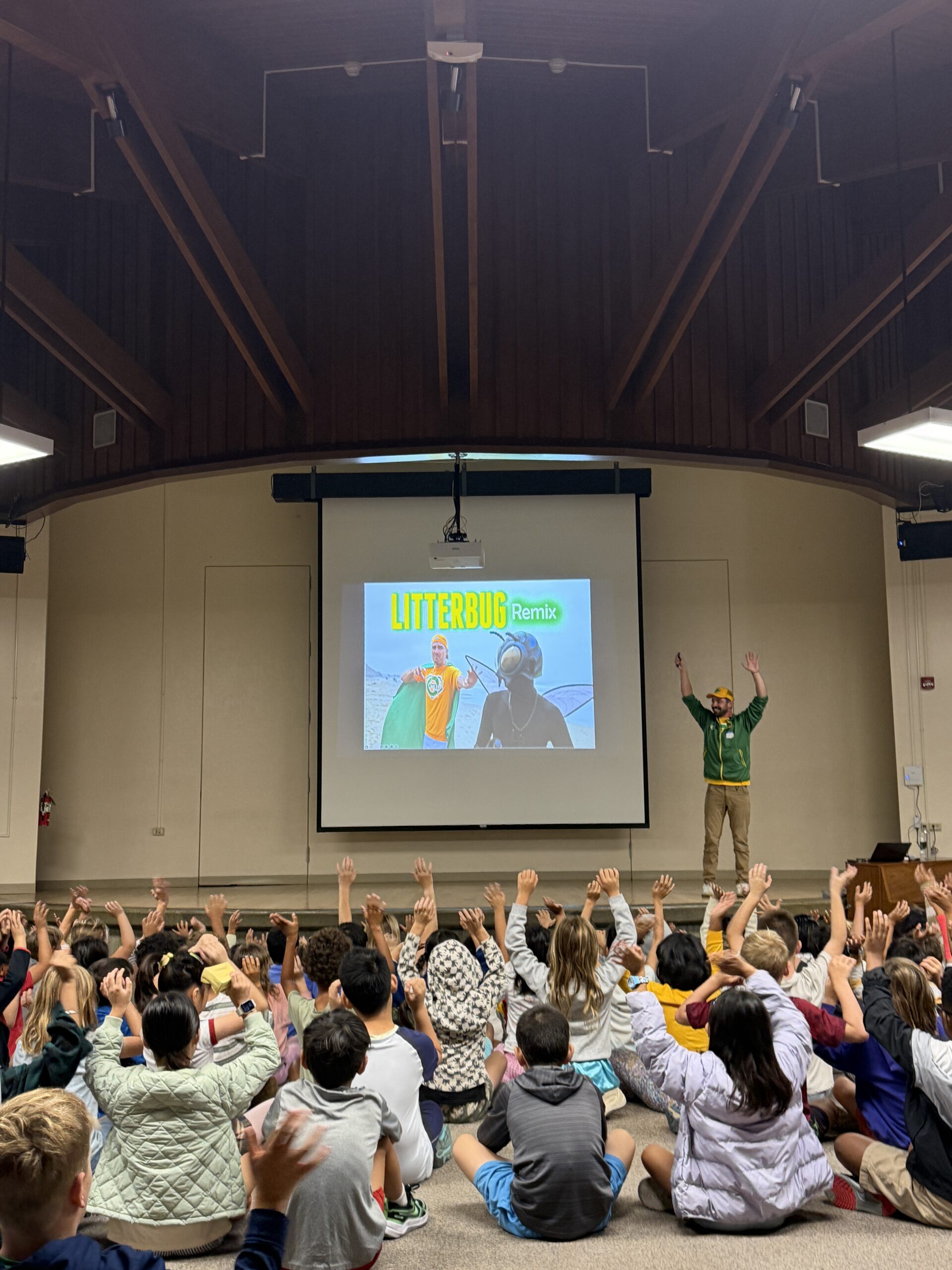
Through music, movement, and memorable lyrics, campus elementary school students discover how everyday choices impact the planet.
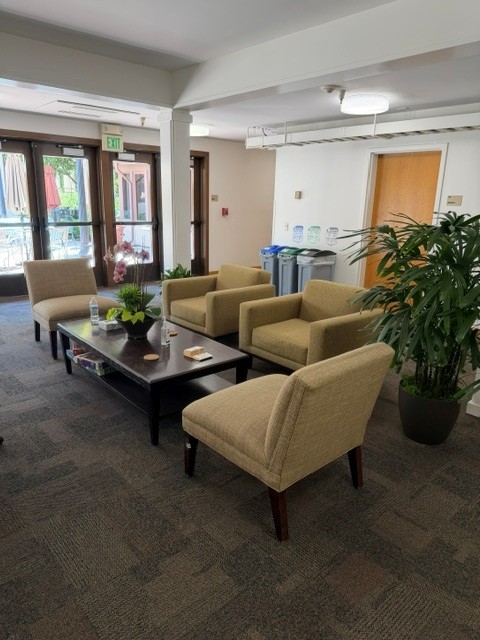
Staff partnerships are turning surplus furniture into practical solutions–saving money, reducing waste, and creating functional spaces without sacrificing aesthetics.