
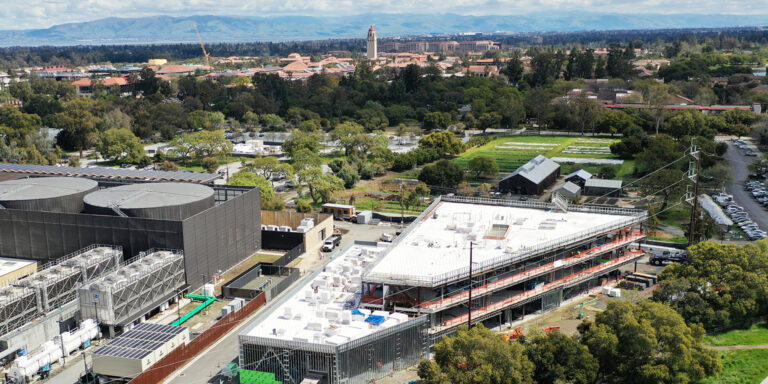
Project: Using Machine Learning for Calculating Construction Emissions
Ponsu Muthuraman ’26 evaluated the use of a machine learning tool to improve construction carbon emission estimation.

Amidst the busy day-to-day work in the facilities operations department, staff member Shalini Singh showcased her passion for sustainability by spearheading a new study around embodied carbon in construction materials over the past year.
She and the team narrowed the top common materials for construction projects and created a new embodied carbon and design guidelines report. The report was shared in a final presentation meeting this spring to bring partners and stakeholders along on the journey, with the goal of incorporating these new guidelines into capital improvement projects. Another goal was to connect this embodied carbon study to the broader university goal of achieving net zero emissions by 2050, an integral part of Stanford’s Climate Action Plan.
Shalini and the team displayed remarkable leadership in moving the university’s operations key toward sustainability goals. When asked what prompted Shalini to lead this study, she remarked, “I feel like every role has a sustainability angle to it. I’m just a change agent and helping my peers to see they are also agents of change. Everybody has a role to play.”
Ponsu Muthuraman ’26 evaluated the use of a machine learning tool to improve construction carbon emission estimation.

Danica Sun ’28 explored smarter resource use for one of Stanford’s major computing clusters.
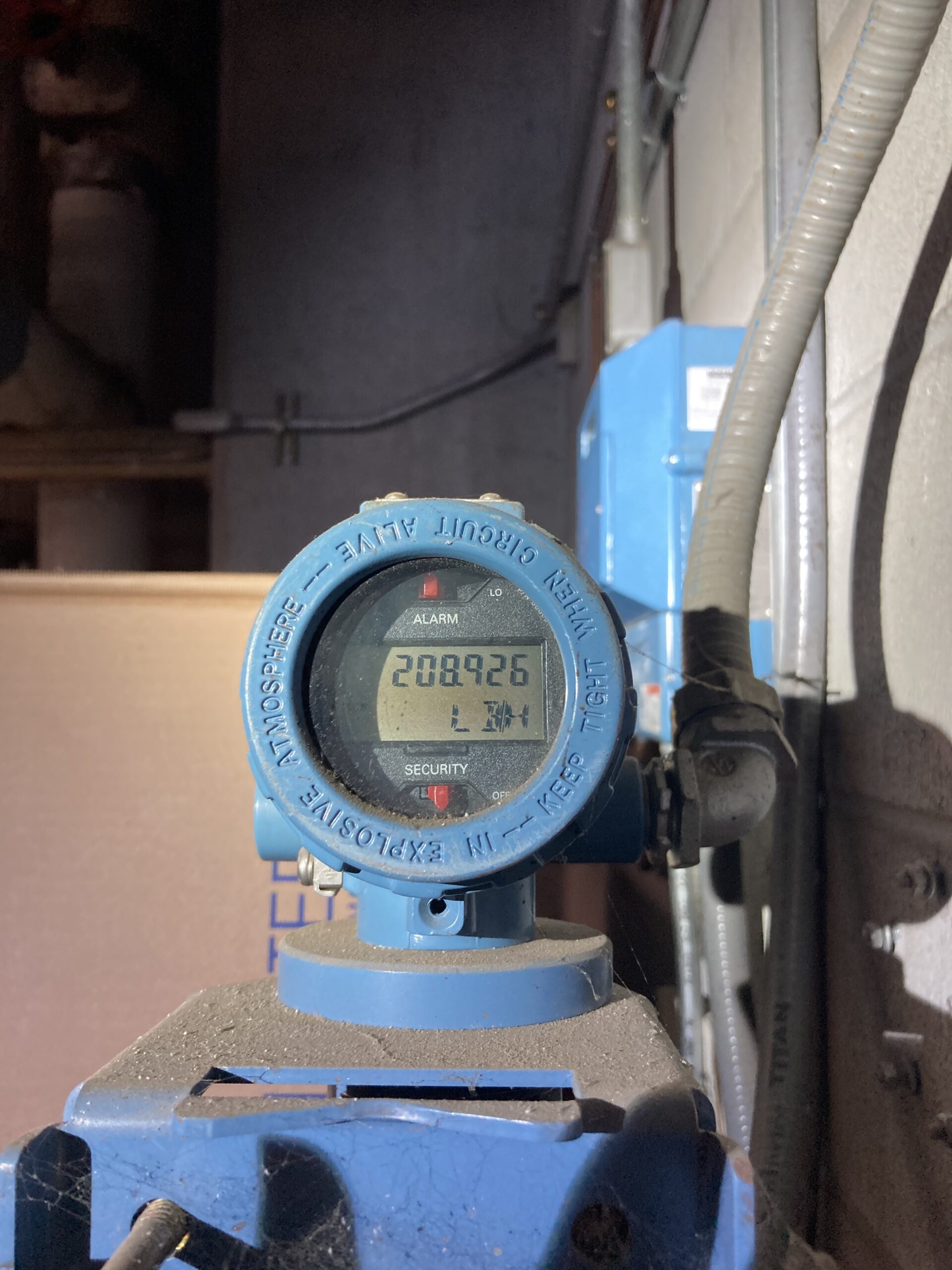
Rachel Porter, PhD candidate, investigated alternatives for reducing reliance on Stanford’s natural gas-fired steam plant.