
Making Headlines: Stanford Energy System Innovations
The SESI program receives recognition for its energy supply transformation from fossil fuel dependency to one predominantly powered by 100% renewable electricity.

The SESI program receives recognition for its energy supply transformation from fossil fuel dependency to one predominantly powered by 100% renewable electricity.

Current and former Stanford students keep the university’s sustainability legacy alive at the All Alumni Day Farm Fest.

Sixty-one Stanford students are driving real change in sustainability through the Living Lab Program, tackling real issues while gaining hands-on experience.

Mail and Package Services’ last mile program reduces emissions and traffic congestion, contributing to the university’s net zero emissions goal.

This test event has every option on every category selected. Lorem ipsum dolor sit amet, consectetur adipiscing elit, sed do eiusmod tempor incididunt ut labore …

Upgrades to Stanford’s electrical infrastructure will help the university reach its goal of operating at net-zero emissions.

Stanford Health Care has earned recognition as a leader in sustainability, receiving one of the first Sustainable Healthcare certificates from the Joint Commission.
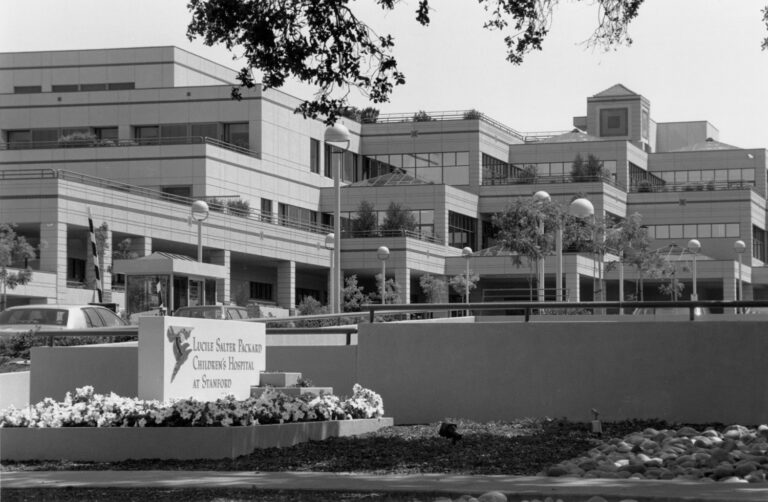
Lucile Packard Children’s Hospital is saving $500,000 annually by using outside air for cooling and upgrading to LED lighting, cutting energy use by 48%.

LBRE’s OCx program boosted energy efficiency in 2023, saving over $4,000 annually at Wallenberg through no-cost control system adjustments.

Stanford’s iconic Green Library received upgrades that slashed energy use while ensuring year-round comfort.