Protected: Measuring Emissions from Purchased Goods & Services
There is no excerpt because this is a protected post.
The campus electric load is forecasted to exceed 80% capacity each day this week. Please reduce electricity from 2 to 6 p.m. this week to protect our overall campus power supply. (sustainable.stanford.edu/power-smart)

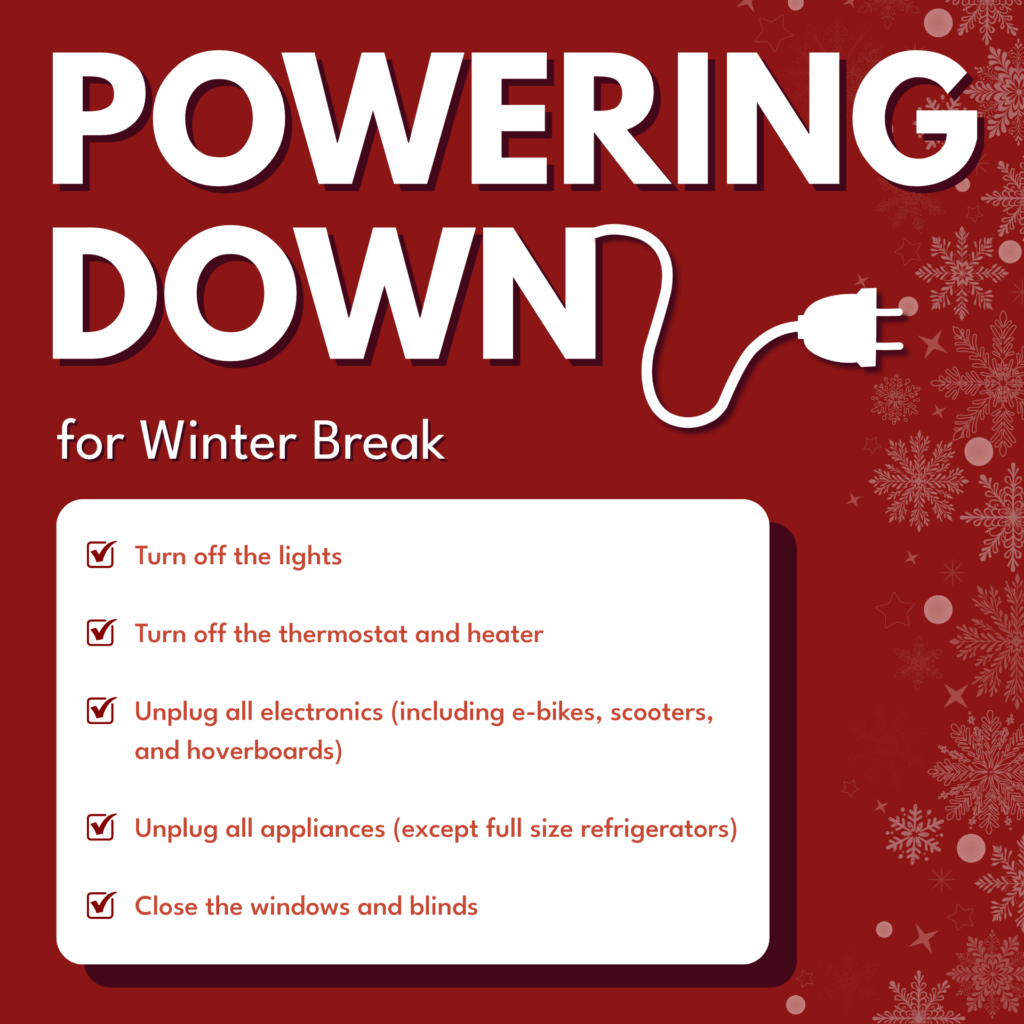
When campus winds down for break, it’s one of Stanford’s biggest opportunities to reduce energy waste. By taking a few simple steps before you leave, you help lower emissions, protect equipment, and keep buildings running efficiently while occupancy is low. Whether you’re a student, staff/faculty member, facility manager, or lab personnel, there are tips for everyone in the Stanford community to save energy while taking a break this holiday season!
Across all of Stanford’s buildings, equipment left on unnecessarily can add up to thousands of kilowatt-hours of wasted energy. Simple actions like the ones below — shutting fume hoods in labs, turning off equipment, unplugging devices — make an outsized impact on campus energy use and emissions during holiday and seasonal breaks. Join the hundreds of colleagues and student peers powering down for break! These collective actions support Stanford’s campus-wide goal to reduce emissions and keep buildings operating efficiently year-round.
There is no excerpt because this is a protected post.
There is no excerpt because this is a protected post.
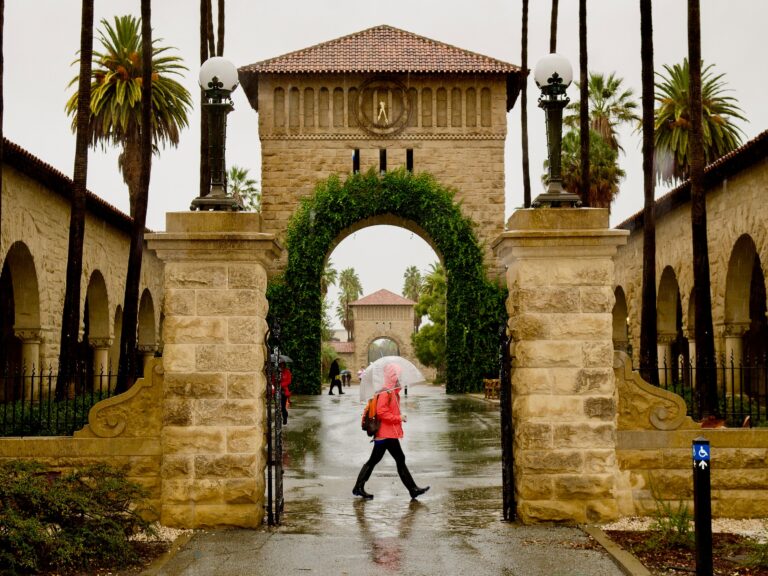
Past infrastructure enhancements for capturing and redirecting rainfall have strengthened campus readiness for winter storms.