Sustainable Research Computing
Academics, Carbon, Community Engagement, Construction & Demolition, Efficiency, Emissions, Maintenance
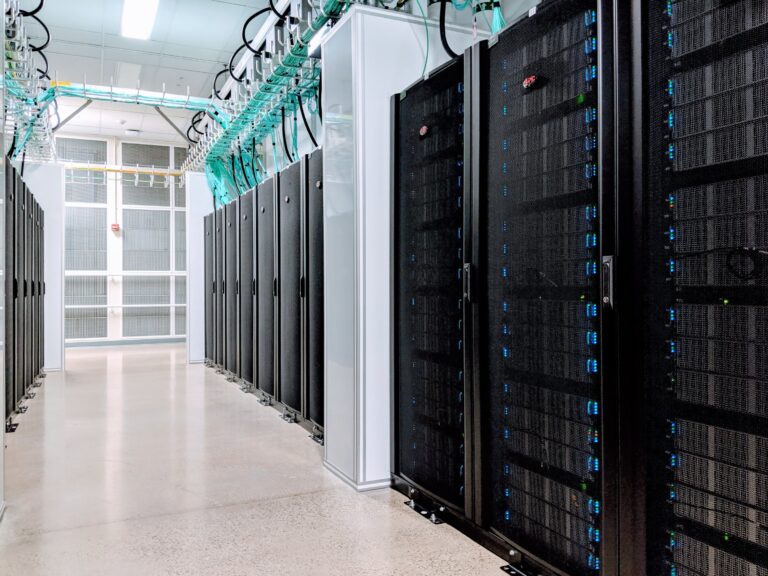
Danica Sun ’28 explored smarter resource use for one of Stanford’s major computing clusters.
The campus electric load is forecasted to exceed 80% capacity each day this week. Please reduce electricity from 2 to 6 p.m. this week to protect our overall campus power supply. (sustainable.stanford.edu/power-smart)

Every load of laundry uses water and energy — use this tool to lighten the load on campus resource for more sustainable laundry days.
Save time, energy, and water by saving laundry day for when you have a full load.
In R&DE Student Housing’s HE washers, use just ¼ cup of detergent—more isn’t better and can actually make clothes less clean. Smart laundry habits help maximize efficiency and reduce your environmental impact.
Choose the cold water setting when doing laundry—it cleans just as effectively and helps your clothes last longer. Since heating water accounts for about 90% of the energy used in a wash cycle, switching to cold is an easy way to save energy and reduce your carbon footprint.
Save energy and extend the life of your clothes by air-drying whenever possible. If you use a dryer, combine loads and avoid over-drying by checking clothes regularly. These simple habits reduce energy use and make your laundry routine more sustainable.

Danica Sun ’28 explored smarter resource use for one of Stanford’s major computing clusters.

Rachel Porter, PhD candidate, investigated alternatives for reducing reliance on Stanford’s natural gas-fired steam plant.

Stanford’s world-class golf course is making water management a priority, teeing up golf to be a sustainable sport.