
Project: Reducing Embodied Carbon in Construction
Doctoral student Eleni Alexandraki, B.S. ’19 and M.S. ’21, developed a set of Whole Building Life Cycle Assessment Guidelines for her Living Lab Fellowship Project.

Doctoral student Eleni Alexandraki, B.S. ’19 and M.S. ’21, developed a set of Whole Building Life Cycle Assessment Guidelines for her Living Lab Fellowship Project.

Stanford’s Conservation Program is testing a cutting-edge “BurnBot” to improve wildfire management, using controlled burns to create fire breaks and support ecosystem health.

A new study on embodied carbon in construction materials led to new guidelines to help the university meet its net-zero emissions goal by 2050.
In its inaugural year, the Living Lab Fellowship Program fostered cross-campus collaboration, hands-on learning, and lasting impact through 16 student-led operational sustainability projects.

Zander Opperman developed a fire management plan for the Jasper Ridge Preserve as part of his Living Lab Fellowship.
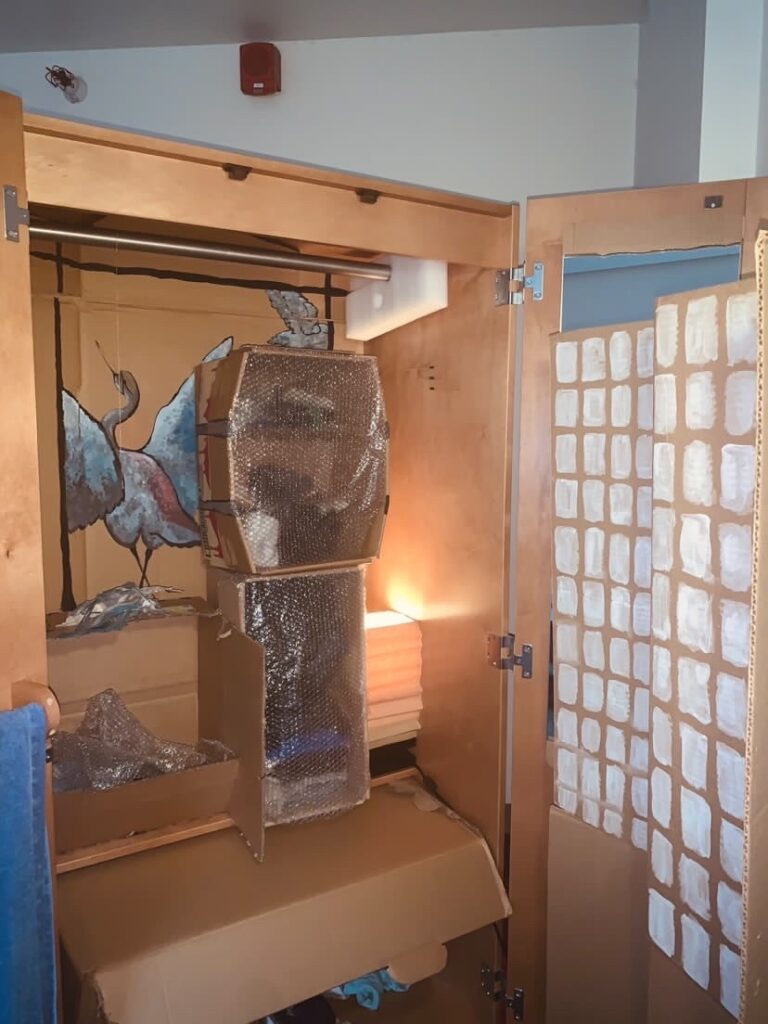
Stanford student Sierra Horangic repurposed packaging waste into custom furniture and inspired others to reduce waste and get creative with recycled materials.
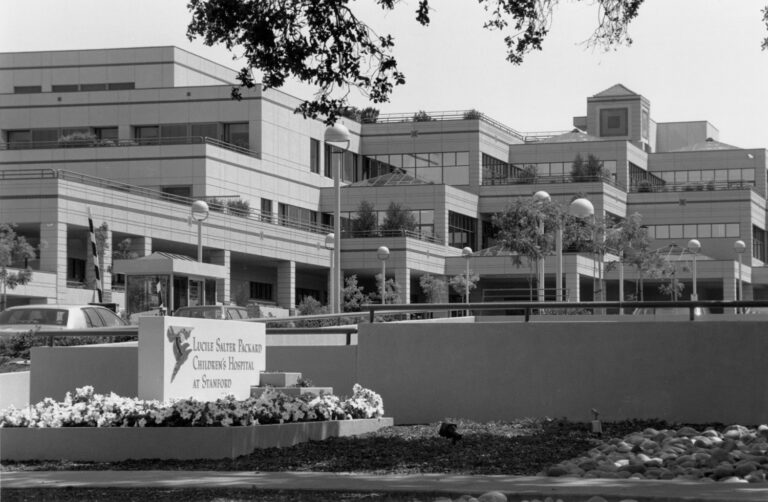
Lucile Packard Children’s Hospital is saving $500,000 annually by using outside air for cooling and upgrading to LED lighting, cutting energy use by 48%.

LBRE’s OCx program boosted energy efficiency in 2023, saving over $4,000 annually at Wallenberg through no-cost control system adjustments.

Stanford’s iconic Green Library received upgrades that slashed energy use while ensuring year-round comfort.

Stanford is reimagining energy solutions across campus, with updates to key buildings like Lucile Packard Children’s Hospital and Green Library.