In 2023, approximately 420,000 packages were delivered to students on campus. This number increased to around 450,000 (excluding about 60% of graduate students’ packages) in 2024 and is projected to continue rising in the coming years. Currently, more than 200 delivery trucks travel to campus each week to deliver these packages. Due to space constraints, rising package volumes, and concerns about student safety, Stanford has decided to shift to a centralized package processing facility in Newark, using Stanford-owned vehicles to complete the last-mile delivery to campus. At present, the environmental impact of the packages on the Stanford campus remains unclear. This project aims to establish a benchmark for the emissions and waste generated by the student package program.
The primary challenges in this project centered around data limitations. First, there was limited data available for calculating emissions. Because the delivery vehicles are not owned by Stanford, access to fuel consumption data—the most direct method for estimating emissions—was lacking. Additionally, there was no detailed record of the number of delivery vehicles arriving on campus each day. Regarding package waste, the challenge lay in data analysis. Stanford currently collects all recyclables through a single-stream system, making it difficult to isolate packaging waste. Furthermore, packaging materials vary widely, requiring a series of assumptions to reasonably estimate the amount of waste generated.
To address the lack of data, staff at the student package centers were asked to maintain a delivery vehicle log. They recorded the date, time, and name of each carrier company as packages were dropped off. To estimate the distance traveled from local warehouses to the Stanford campus, on-site surveys were conducted to identify warehouse locations, allowing data collection from all major carrier companies.
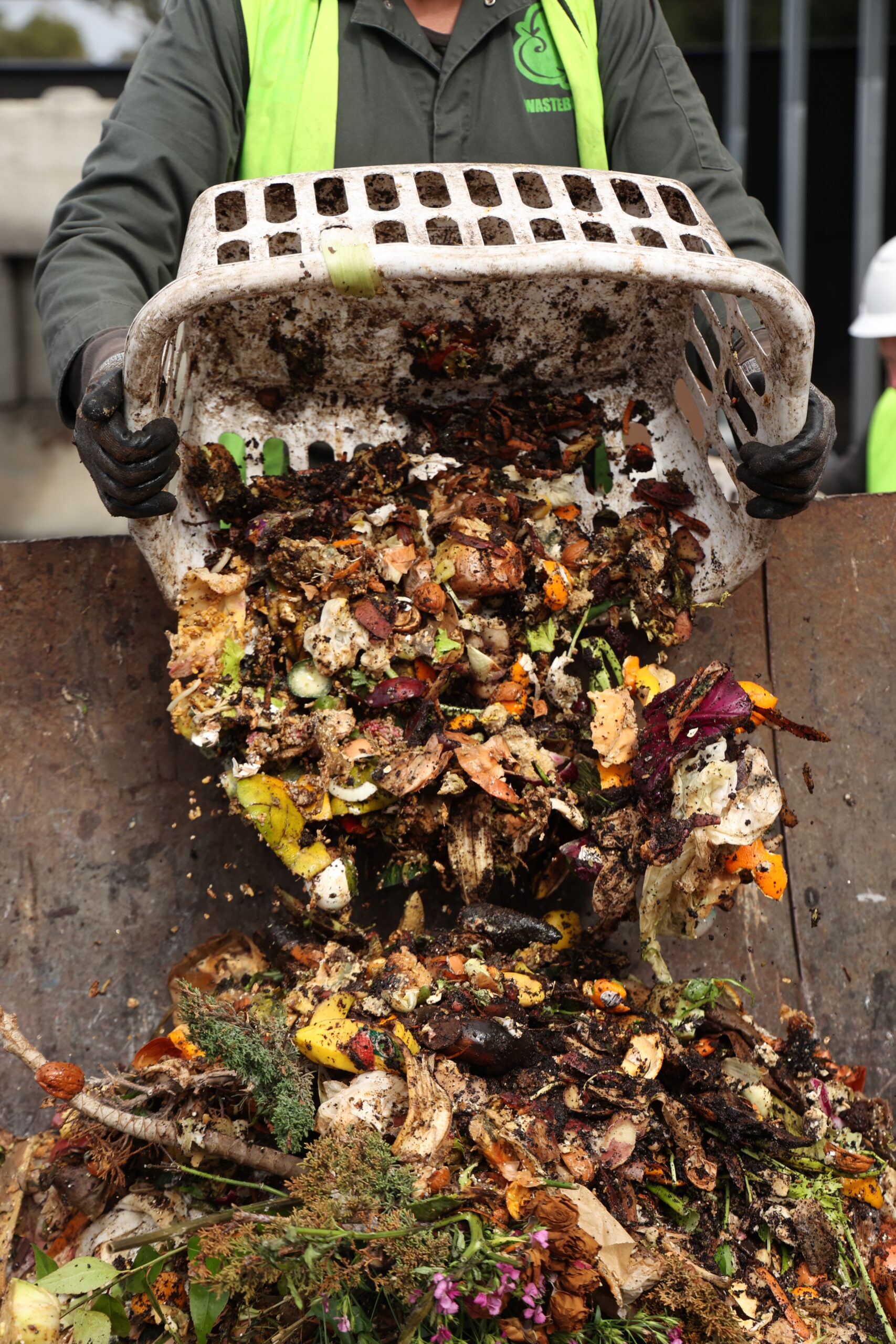
Investigating package waste required additional effort to inform the appropriate assumptions. Cardboard weight was used as a proxy for overall packaging waste. Detailed data were obtained from the waste management contractor (PSSI), and the proportion of cardboard was estimated based on historical data from before single-stream recycling was implemented.
Based on the vehicle log, about 200 delivery trucks come to campus each week. Combined with warehouse location data, it was estimated that roughly 260 metric tons of CO₂e are emitted annually, equivalent to 430 round-trip flights from New York to London per passenger, or the yearly carbon absorption of about 13,000 trees. Starting in fall 2025, all student packages will be received and processed at the Newark facility. Most carrier warehouses are closer to Newark than to campus, and based on distance reduction alone, emissions are expected to drop by 24%. Further reductions may come from package consolidation, as all deliveries now go to a single address. In 2023, student packages generated 610 tons of cardboard waste, rising to 715 tons in 2024. Managing and recycling the cardboard costs approximately $360,000 in 2024.
Collaboration across teams was key to the success of this project. Within the MPS team, package center staff were asked to maintain a vehicle log. Valuable data and insights were also received from Stanford’s Zero Waste team, Scope 3 Emissions team, and the waste management contractor. The most challenging part was collecting data from the carriers. Ideally, delivery companies would provide comprehensive vehicle data from their systems, but many of them are decentralized, making that information unavailable. After testing several approaches, directly surveying drivers proved to be the most effective. The project’s findings highlight the environmental impact of online ordering and serve as a starting point for raising awareness about sustainable purchasing.
This project established baseline emissions for the current student package program and projected emissions for the upcoming centralized delivery in Newark. After the August transition, it’s important to continue monitoring actual emissions. Reducing package waste requires promoting sustainable purchasing, like thrifting, consolidating orders, and choosing eco-friendly sellers. Ongoing collaboration with students, vendors, and sustainability teams will support long-term impact.
PRIMARY PARTNER: Land, Buildings & Real Estate

Student fellow
Yuan Molly Tian
MS Environmental EngineeringMolly Tian (she/her) is a second-year MS student in Environmental Engineering, with a focus on Environmental Data, Statistics, and Modeling. She earned her BS in Environmental Engineering from the University of Waterloo. She cares deeply about living sustainably and always does her best to make eco-friendly choices while inspiring those around her to do the same.

mentor
Sonia Singh
Associate Director, Communications and Customer Service, Mail & Package Services