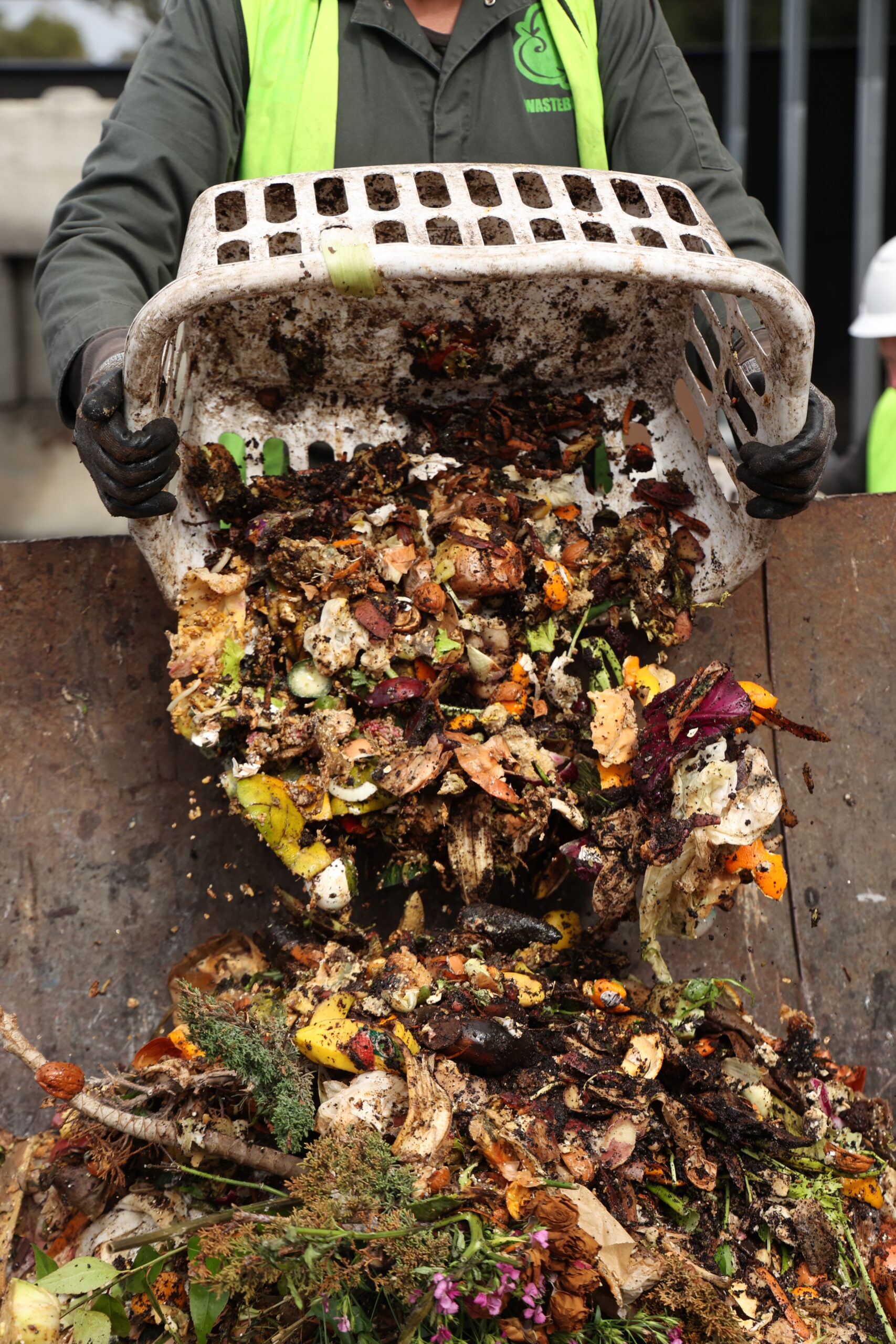
Digging Deep Into Dumpster Data
We’re building our zero waste playbook—starting with the stats. By hand-sorting our trash, we’re uncovering strategic cuts to the landfill.


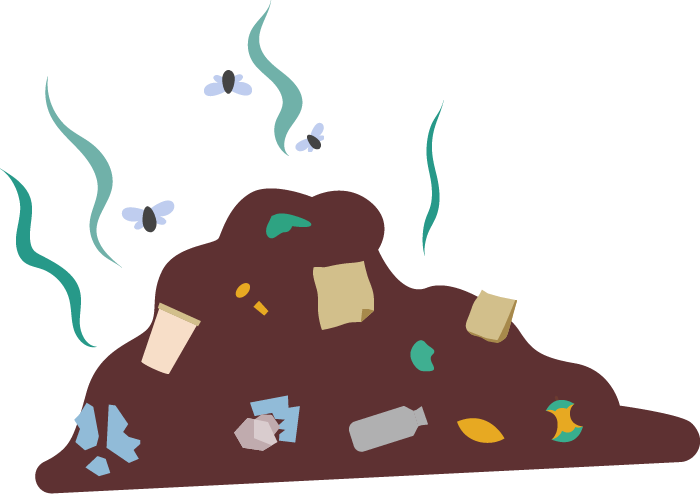
When food is sent to landfill, methane is produced—a climate super pollutant.
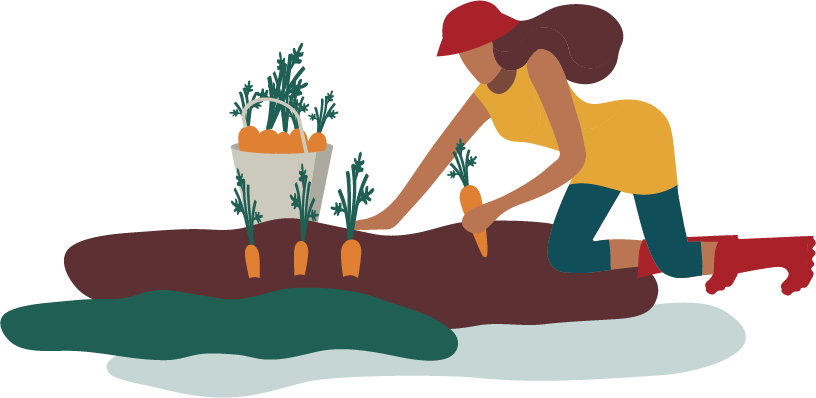
When food is composted, it transforms into a nutrient-rich soil amendment that reduces emissions and helps grow healthy food.
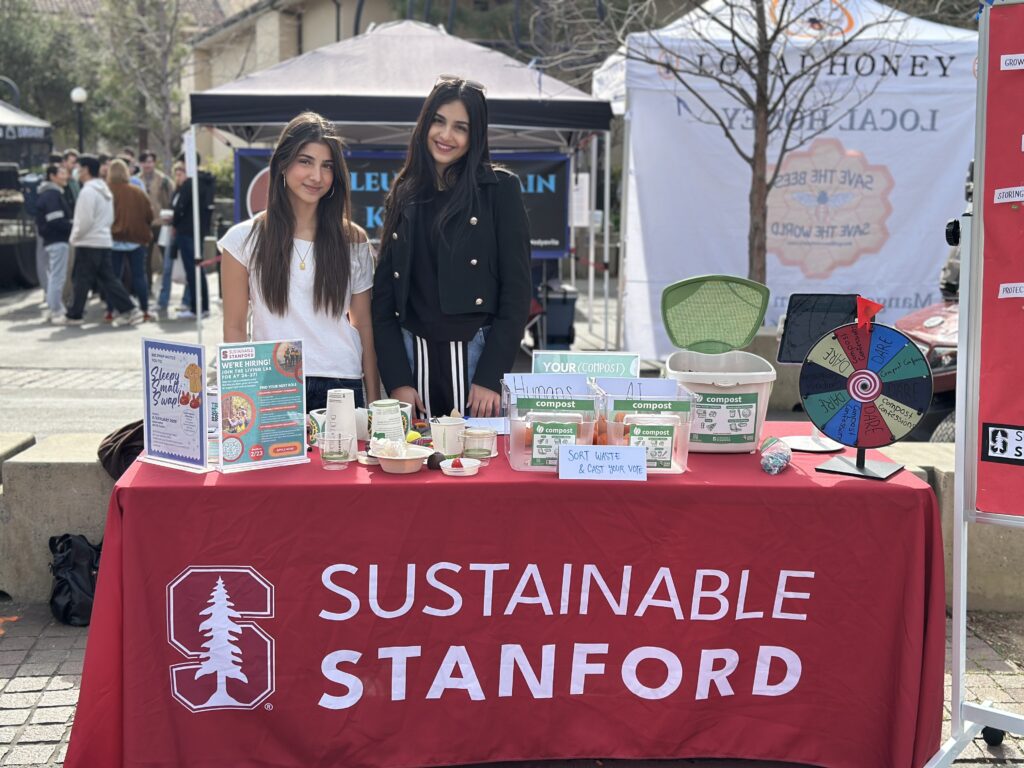
Whether it’s reducing landfill waste or doing your part, there are dozens of reasons to cast your scraps.
Doing my part
Reducing landfill waste
Reducing emissions
Conserving resources
Make your (compost) vote count. Explore resources to get started sorting your food scraps.
We’re building our zero waste playbook—starting with the stats. By hand-sorting our trash, we’re uncovering strategic cuts to the landfill.

Learn how to responsibly dispose of your waste with quick and easy tips.

Stanford’s recyclables are sent to an award-winning local facility with a material recovery rate of up to 85%.

Explore what happens when waste leaves campus.