
Beyond the Plate: Tackling Food Waste and Redefining Mealtime on the Road
Stanford’s Travel/Study programs are leading a quiet revolution in climate-conscious cuisine.

Avoiding excess food waste from the start is the best strategy to close the loop on our food system. Stanford’s Food Waste Prevention Playbook outlines the strategies used to minimize food waste—from cultivating a culture of food waste prevention to operationalizing best practices.
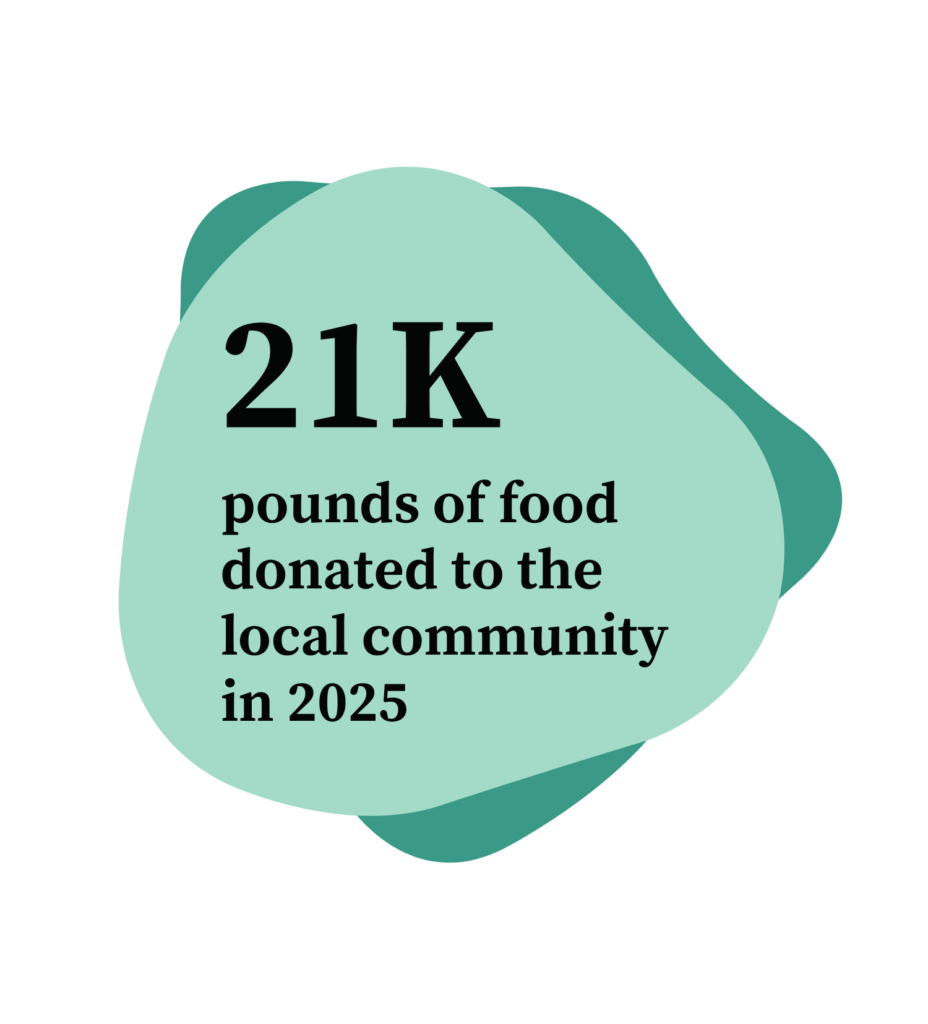
Stanford has a long history of donating excess food—including formal efforts to donate food from dining halls, student-led initiatives to rescue food from events, and informal efforts from cafes and event planners to give away excess to staff and students at the end of a shift or event.
When excess food cannot be distributed on campus, Stanford partners with organizations to deliver high-quality meals to the local community.

In 2025, Stanford expanded its food recovery efforts by piloting a mobile app to make it easier for campus cafes and event planners to donate food that is still good to eat.
The pilot helped automate and streamline donations of excess food and supported 15 local nonprofits, building out a system to ensure high-quality food is getting to people who need it.
pounds of food diverted
meals donated to local non-profits
pounds of CO2 emissions saved
gallons of water saved
“The donation from Stanford was really excellent…we took the food directly to the unhoused and were able to feed 200 people, and also shared some with our clients that are families in need. We really appreciate it and would be glad to receive these donations anytime!”
– Food donation recipient, Muslim Sisters Helping

Stanford diverts approximately 6,000 tons of compostable material away from the landfill every year—reducing emissions and building healthy soil. In addition, used cooking oil from dining halls—roughly 7,000 gallons a year—is converted to biodiesel, a renewable alternative to diesel fuel.
Learn how to easily start donating food to our community.

Stanford’s Travel/Study programs are leading a quiet revolution in climate-conscious cuisine.
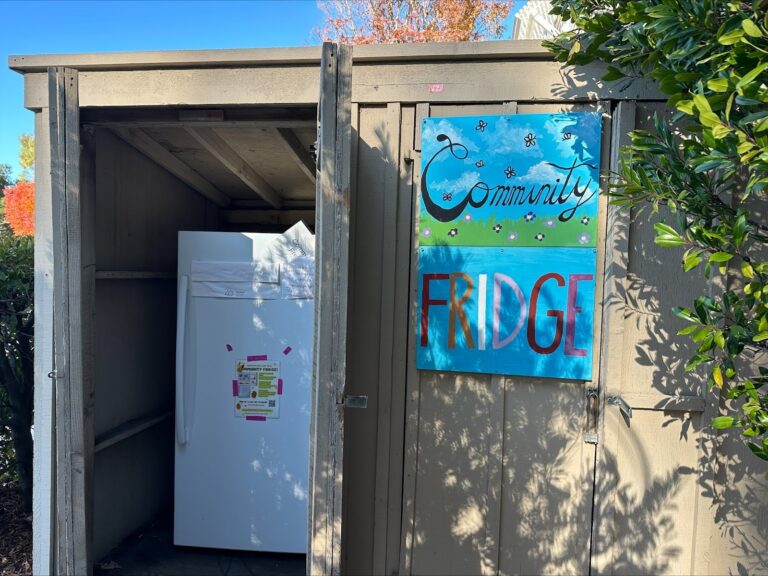
What started as a pilot is now a campus staple supporting food access and waste reduction.

A student-led Living Lab project brings onsite solar power to Stanford’s Educational Farm.

The numbers are in – learn about Stanford’s expanded efforts to reduce food waste.