
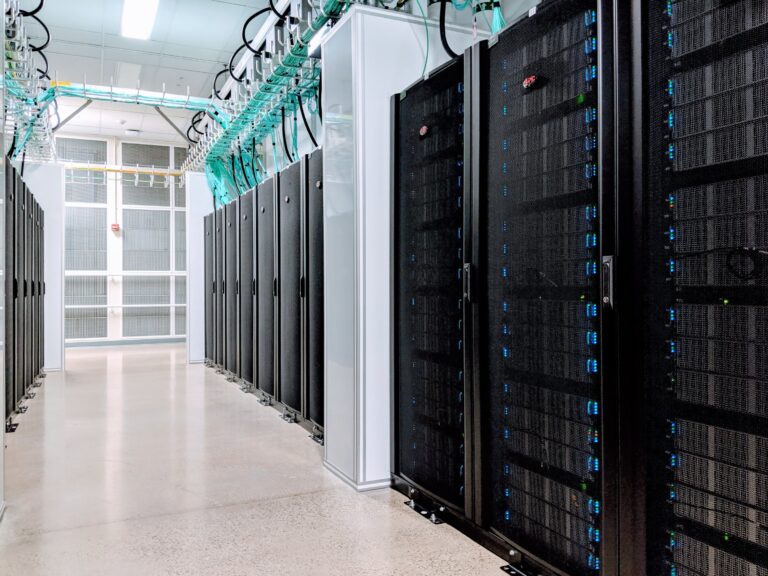
Sustainable Research Computing
Academics, Carbon, Community Engagement, Construction & Demolition, Efficiency, Emissions, Maintenance
Danica Sun ’28 explored smarter resource use for one of Stanford’s major computing clusters.

The R&DE team received leak alerts for high water usage in the EVGR buildings, prompting them to investigate potential causes. This investigation revealed that toilets are one of the leading sources of leaks in residential buildings, and are often unreported and unnoticed by users and leading to significant water waste. This information was sent to the R&DE plumbing team, who identified faulty valves in some toilets in the EVGR buildings that have been causing leaks.
To determine the scope of the valve problem, Emily Blackwell from R&DE developed a survey and assessed toilets in vacant rooms during the summer move-out. This uncovered that an estimated 65% of toilets in the EVGR buildings have these faulty valves, with several active leaks found during the assessment. That’s over a thousand toilets that could potentially have these faulty valves, spring a leak at any moment, or are already leaking without anyone noticing. Unless people discover these leaks and do something about it, Stanford could potentially be losing thousands of gallons of water a day. An individual toilet leak can waste up to 3-5 gallons of water per minute and over 4,000 gallons per day.
The R&DE plumbing team is now in the process of identifying and replacing all faulty valves, as well as communicating with residents on how to identify and report leaks if they occur. This is an exciting project for the Stanford community, as it addresses water waste and fosters a culture of awareness and responsibility among residents. R&DE has already saved 1.5 million gallons of water in EVGR through an ongoing audit that will continue in 2025. By being a part of this process, everyone can contribute to sustainability efforts and enhance the residential experience on campus.
Stay vigilant – if you notice a leak in your toilet, contact R&DE Maintenance Operations by calling 650-723-2281 and help conserve water.
Danica Sun ’28 explored smarter resource use for one of Stanford’s major computing clusters.
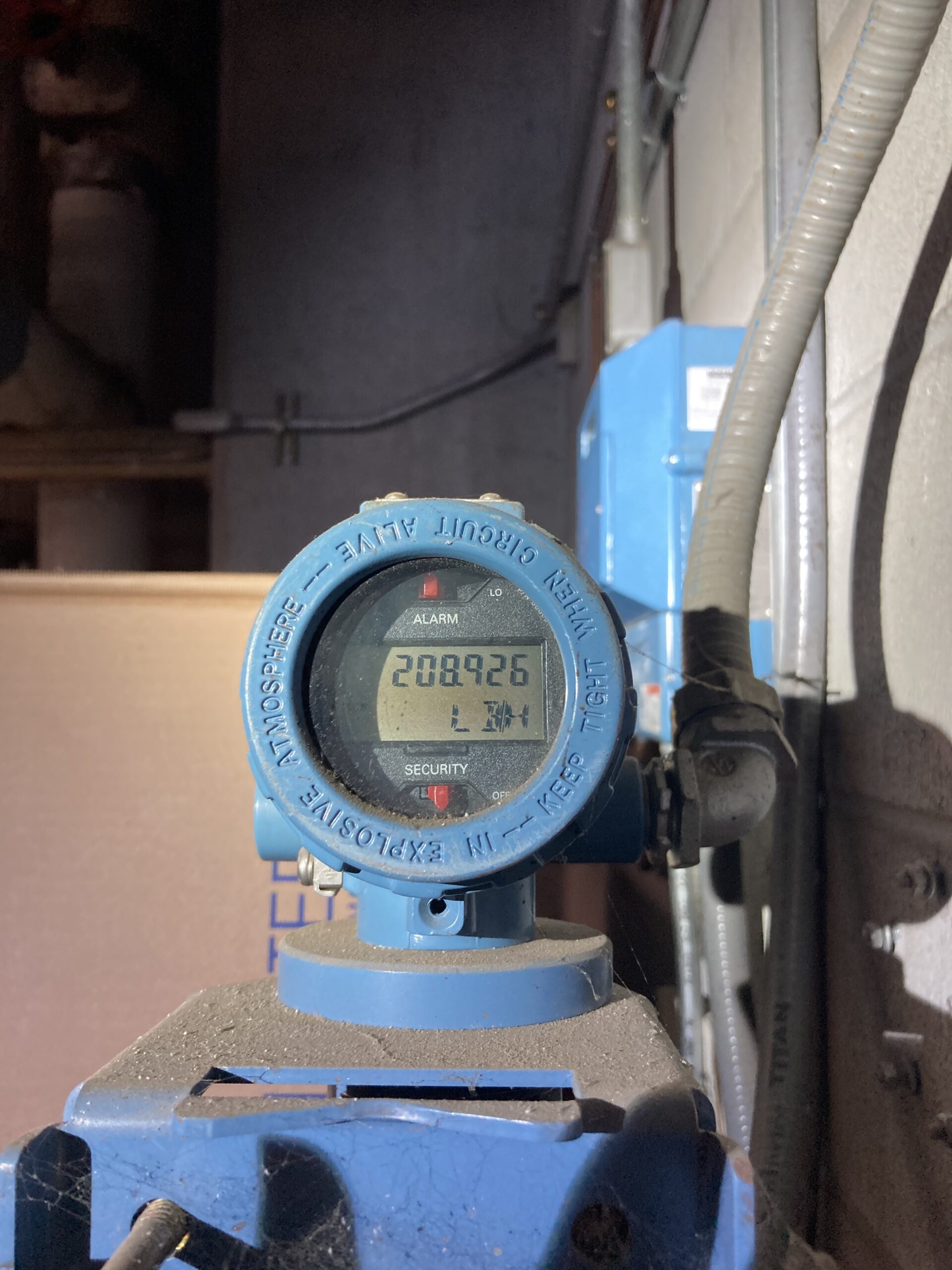
Rachel Porter, PhD candidate, investigated alternatives for reducing reliance on Stanford’s natural gas-fired steam plant.

Stanford’s world-class golf course is making water management a priority, teeing up golf to be a sustainable sport.