
Waste Sorting: The Secret to Faster Wi-Fi Speeds?
Humor-driven signs and a digital pledge cut Cardinal Café sorting mistakes by 10%.

While business travel adds to overall greenhouse gas emissions, it can be a critical component of advancing the teaching and research mission of the institution. There are many ways the university is working to mitigate these emissions, provide sustainable alternatives and guidance, and account for every trip.
The business travel category includes everything from faculty flying to academic conferences to student athlete travel for competitions.

One of the most sustainable options for work-related travel is to attend events like conferences virtually if in-person attendance is not necessary. Attend conferences and events virtually when possible and skip the travel stress.

If the event requires live attendance, taking public transportation when possible can help to mitigate emissions. Booking a trip via train to avoid air travel emissions is a more sustainable route. Amtrak has a station in San Jose with train routes to many California and western state destinations. Ideas for sustainable driving options include carpooling with a friend or colleague going to the same destination, or using an electric vehicle to reduce emissions. If air travel is necessary, rideshare options or shuttles to get to and from the airport can curb overall trip emissions.

Many airlines and search engines provide carbon estimates in flight searches. Taking a nonstop flight generates fewer emissions. If a nonstop flight is not available from a primary airport, consider expanding searches to other nearby airports. Additionally, packing light adds less weight to the airplane and can help drop emissions, as can flying economy instead of business class.
Humor-driven signs and a digital pledge cut Cardinal Café sorting mistakes by 10%.
Ponsu Muthuraman ’26 evaluated the use of a machine learning tool to improve construction carbon emission estimation.
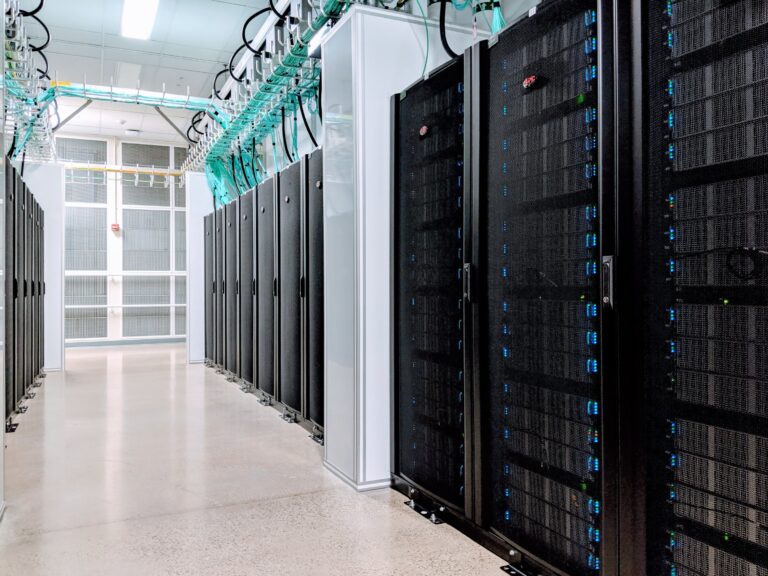
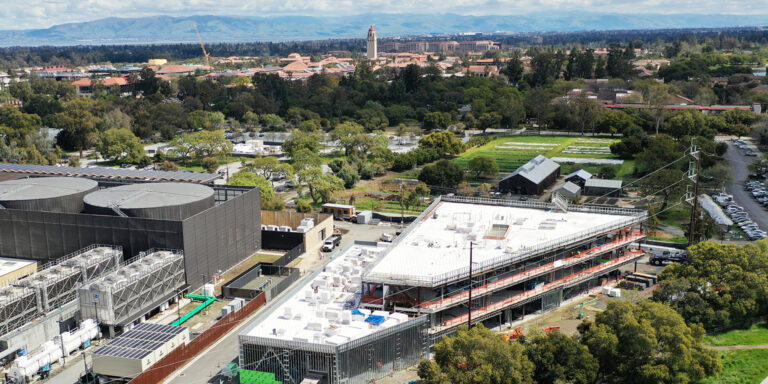
Danica Sun ’28 explored smarter resource use for one of Stanford’s major computing clusters.