
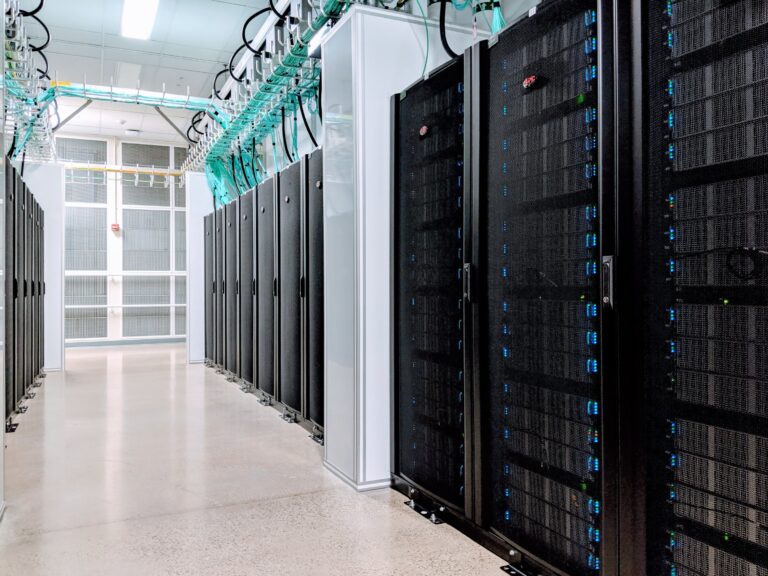
Sustainable Research Computing
Academics, Carbon, Community Engagement, Construction & Demolition, Efficiency, Emissions, Maintenance
Danica Sun ’28 explored smarter resource use for one of Stanford’s major computing clusters.

Beckman Center and Psychiatry have had their interior fluorescent tubes replaced with linear LED lamps. The Medical School Lab Surge (MSLS) building got new LED tubes indoors and out. Interior-only annual energy savings amounted to nearly 800,000 kWh, which is roughly equivalent to the amount of electricity used by 800 homes.
The School of Medicine, which identified, managed, and funded the four lighting projects, earned a combined rebate of $390,000 from Stanford’s own Energy Retrofit Program (ERP). The School of Medicine facilities team also earned ERP rebates for some retro-commissioning work at the Beckman Center. Retro-commissioning (or RCx) is done periodically to bring a building’s HVAC or other system performance back up to meet the original design or match current occupant needs. This year’s RCx project reduced minimum airflow in 21 lab areas to 1 cfm/square foot (~6 ACH) and adjusted the face velocity of 20 fume hoods to 100 FPM when the sashes are at a working height. Together these measures will save an estimated 93,700 kWh of electricity and 19,800 ton-hours of chilled water (for cooling) each year. The fume hood adjustments also enhance safety because moving air through the hoods too quickly can increase turbulence and potentially researchers’ exposure to chemicals used inside the hood.
Danica Sun ’28 explored smarter resource use for one of Stanford’s major computing clusters.
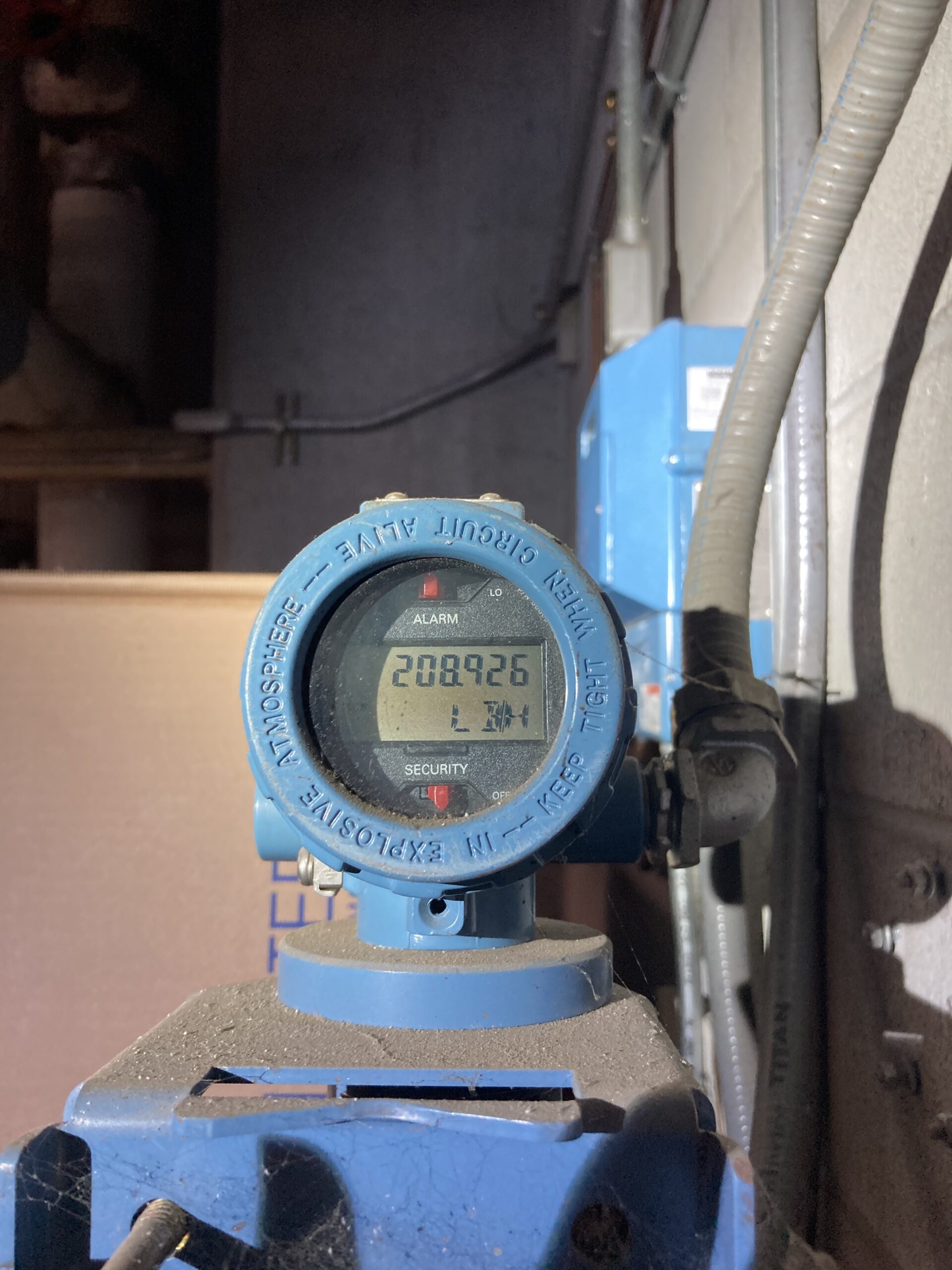
Rachel Porter, PhD candidate, investigated alternatives for reducing reliance on Stanford’s natural gas-fired steam plant.

Stanford’s world-class golf course is making water management a priority, teeing up golf to be a sustainable sport.