Protected: Improving Waste Sorting
There is no excerpt because this is a protected post.
The campus electric load is forecasted to exceed 80% capacity each day this week. Please reduce electricity from 2 to 6 p.m. this week to protect our overall campus power supply. (sustainable.stanford.edu/power-smart)

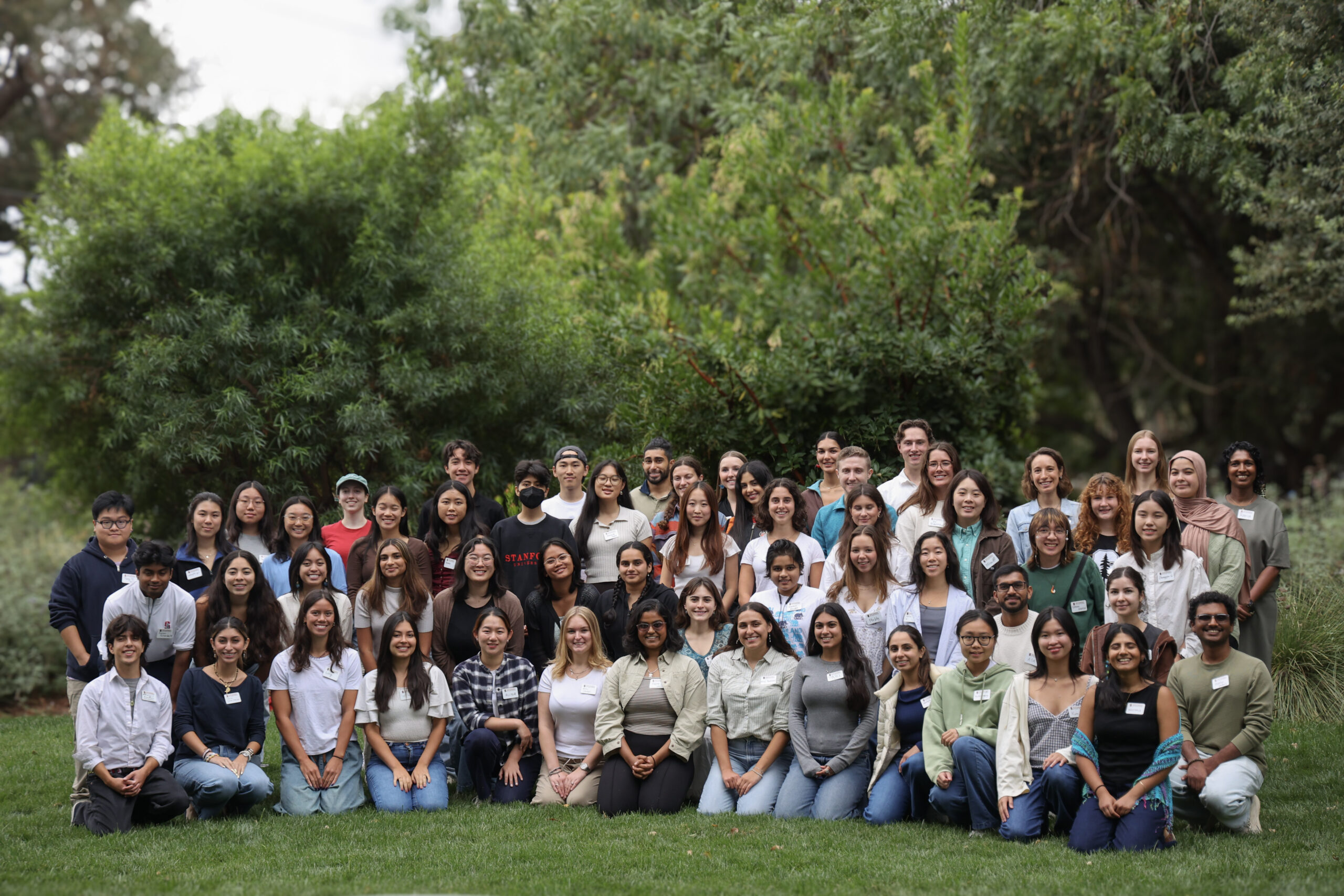
In the 2025-2026 academic year, Stanford’s Living Lab program welcomed its biggest class yet– 76 students from 23 academic programs working across 18 different departments. The students continued to prove a simple idea: the campus isn’t just a place to learn about sustainability—it’s a place to practice it.
By turning Stanford’s built environment, operations, and daily decision-making into a testbed for innovation, the Sustainable Stanford Living Lab Program creates meaningful opportunities for students to tackle real-world sustainability challenges while advancing the university’s academic mission.
The Sustainable Stanford Living Lab Fellowship, which kicked off its third year in fall 2025, first engages students in the classroom in the “Leading Organizational Change for Sustainability” course. This course provides the foundation for students to solve operational sustainability challenges by equipping them with skills to navigate the complexity of leading a change within an organization–whether it’s a policy, program, or operational process.
Leading change can also happen on a cultural level. Living Lab fellow Bailey Sellfors, a co-term master’s student in Earth Systems with a focus in Environmental Communication, was tasked with helping launch a new peer-to-peer student engagement program, the Sustainable Community Internship (SCI), in partnership with the Stanford Doerr School of Sustainability.
“I had the unique opportunity to see firsthand how culture change happens on campus, and to help shape it. These moments of genuine human connection, peer-to-peer conversations, and friends encouraging each other to participate are exactly what the sustainability movement needs.” – Bailey Sellfors ’26
Student interns receive training and support in outreach, behavior change, communications, and leadership, and bring to life their own ideas on how to engage their peers in sustainability.
Bailey shares, “Working with Sustainable Stanford has been one of the highlights of my time here. This role has allowed me to think creatively, explore new interests like data systems and visualization, and contribute meaningfully to program strategy. I know the skills I’ve built through this experience will be invaluable in my next role after graduation.”
Preparing the next generation of sustainability-minded leaders is the primary focus of the Living Lab Program. This is accomplished by fostering the relationship between the academic and operational sides of campus. Students use research methods, data analysis, and critical thinking in service of measurable outcomes towards the university’s sustainability goals. Instead of hypothetical case studies, students worked with operational staff to define project goals, collect and interpret data, engage stakeholders, and iterate on solutions—mirroring the rigor of academic inquiry while producing actionable recommendations for implementation.
Anna Tavakolian, a senior studying Earth Systems and Economics and co-terming in Sustainability Science and Practice, played a critical role in Stanford’s sustainability reporting during her internship. She contributed to Stanford’s achievement of the top-scoring institution for sustainability by conducting comprehensive data analysis and verification across multiple sustainability metrics. Anna was also tasked with calculating Stanford’s Scope 3 emissions as part of the university’s Climate Action Plan. Scope 3 emissions are notoriously difficult to measure because they are generated by sources not owned or directly controlled by Stanford. Anna was able to execute and expand methodologies for tracking and quantifying these indirect emissions at increasing accuracy, creating frameworks that will guide Stanford’s long-term climate strategy.
“Working with the Stanford Office of Sustainability over the past two years has been an incredible opportunity to not only develop technical skills in sustainability reporting and data analysis, but to be part of something much bigger. Stepping beyond the classroom and contributing to Stanford’s leadership in climate action has been incredibly rewarding, allowing me to understand and experience what it means to translate sustainability knowledge into real-world impact.
– Anna Tavakolian, M.A. ’27
From advancing sustainable landscape management on campus, to expanding reuse opportunities for students, to carbon accounting in Stanford’s open spaces, the projects in 2025-2026 continued to offer students a unique opportunity to learn how to move from idea to implementation—a concept difficult to replicate in a traditional classroom setting, and what makes Stanford’s Living Lab program so powerful.
There is no excerpt because this is a protected post.
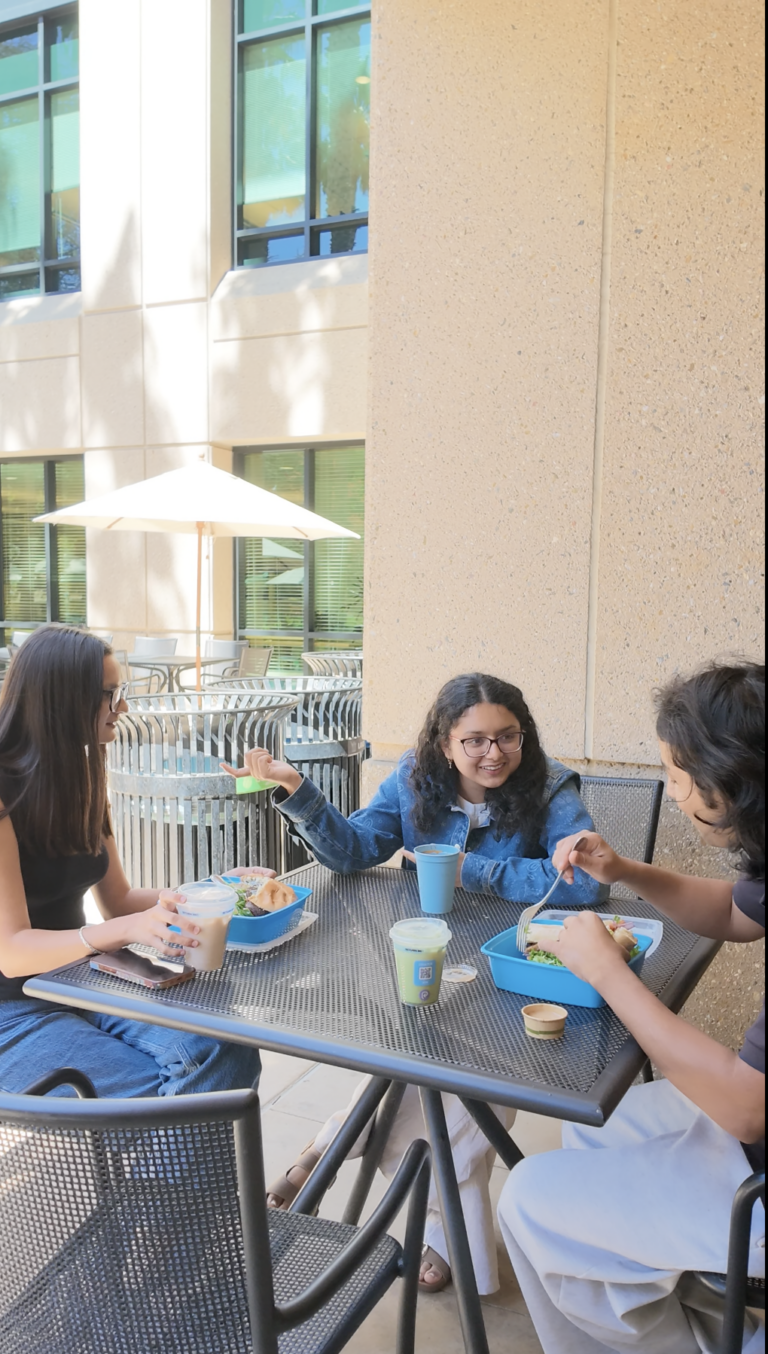
Meet Astha Bhandari ‘26, the Sustainable Stanford fellow getting campus cafés to rethink takeout.
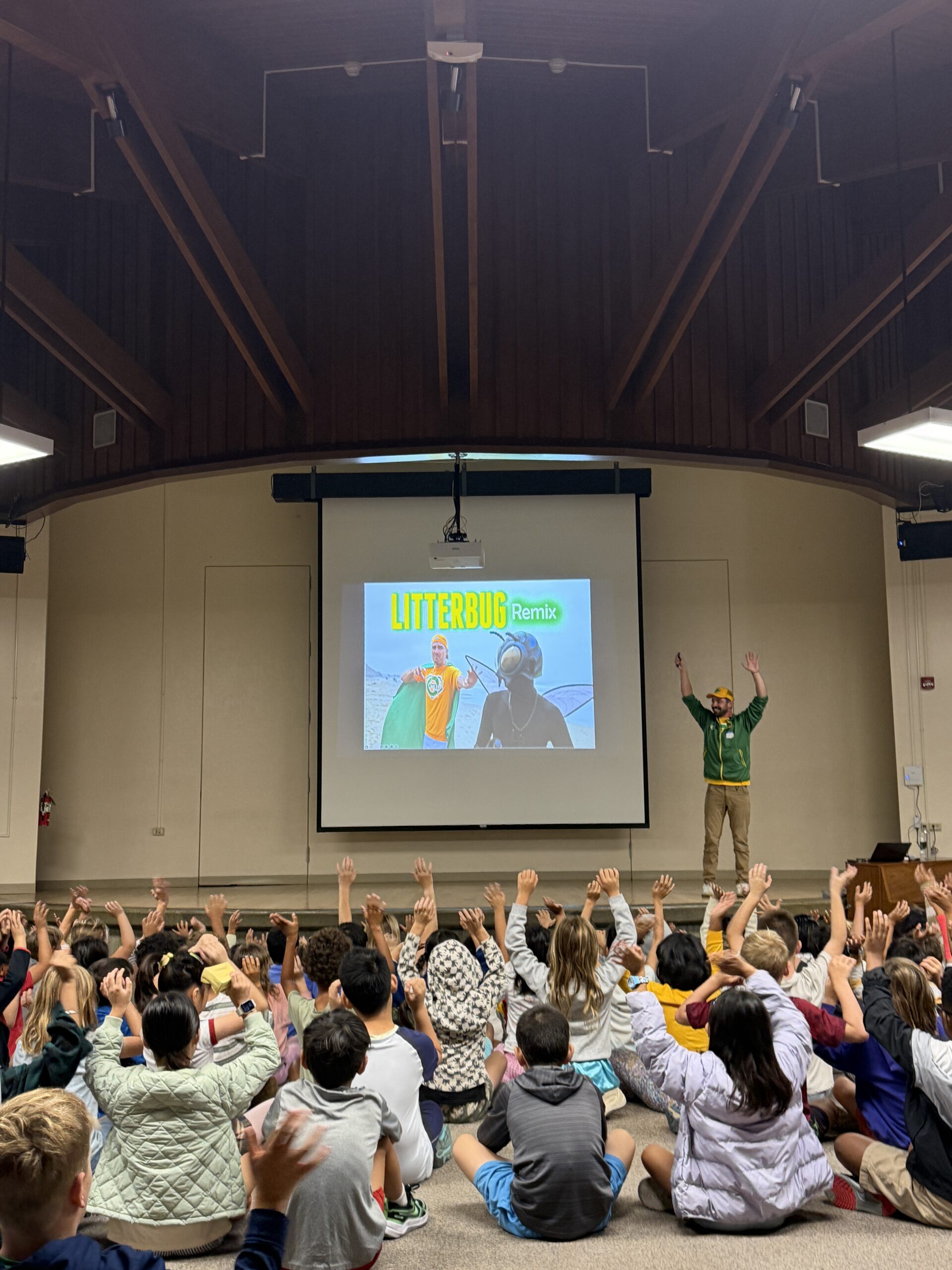
Through music, movement, and memorable lyrics, campus elementary school students discover how everyday choices impact the planet.