
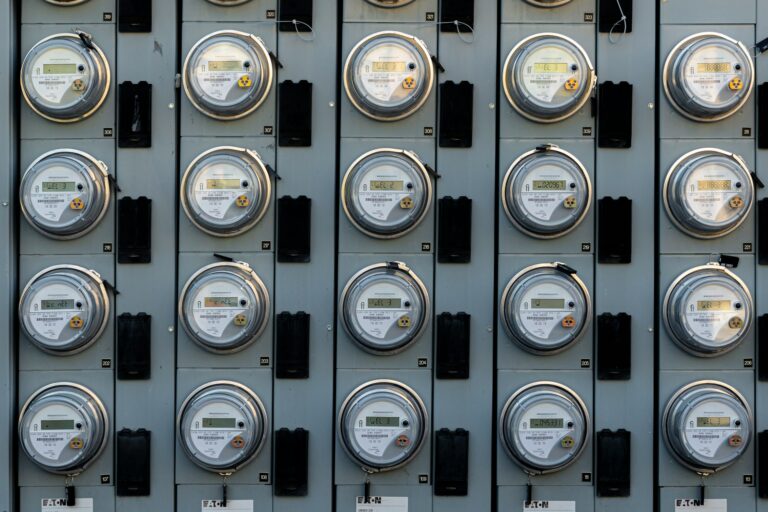
Investment in Data Infrastructure Powers Smart Energy Management
Stanford’s Facilities Energy Management group integrates AI with a foundation of well-maintained data and its own experts.

When it comes to energy, the little actions make a big difference. That’s why this year Stanford focused on updating, optimizing, and reimagining energy demand solutions at every level. The university has made improvements to reduce energy use in Lucile Packard Children’s Hospital, Green Library, Forsythe Hall, and the Wallenberg, Thornton, Havas, and Varian buildings. These exciting new developments offer opportunities for sustainability benefits and economic savings.
As community members, it is important to remember that individual choices can add up to have large effects. Students and faculty alike can positively contribute to the university’s energy-reducing efforts by staying aware of their individual footprint and promoting sustainable change.
Stanford’s Facilities Energy Management group integrates AI with a foundation of well-maintained data and its own experts.
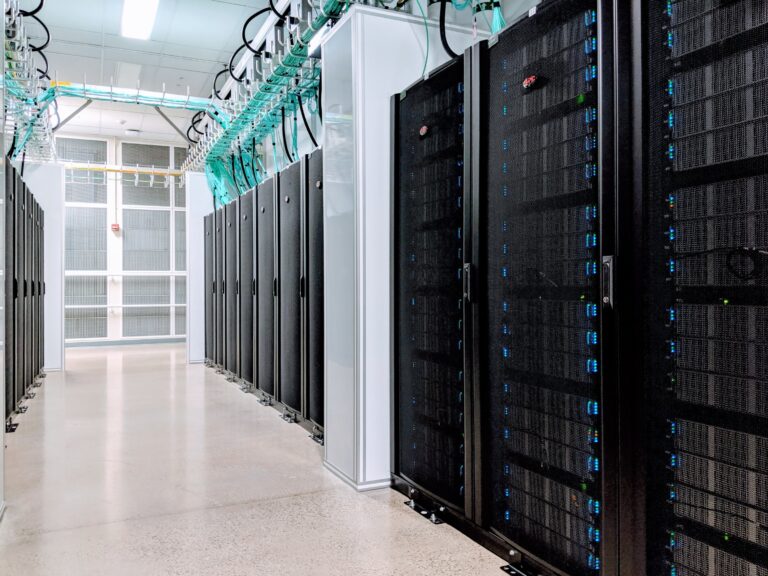
Danica Sun ’28 explored smarter resource use for one of Stanford’s major computing clusters.
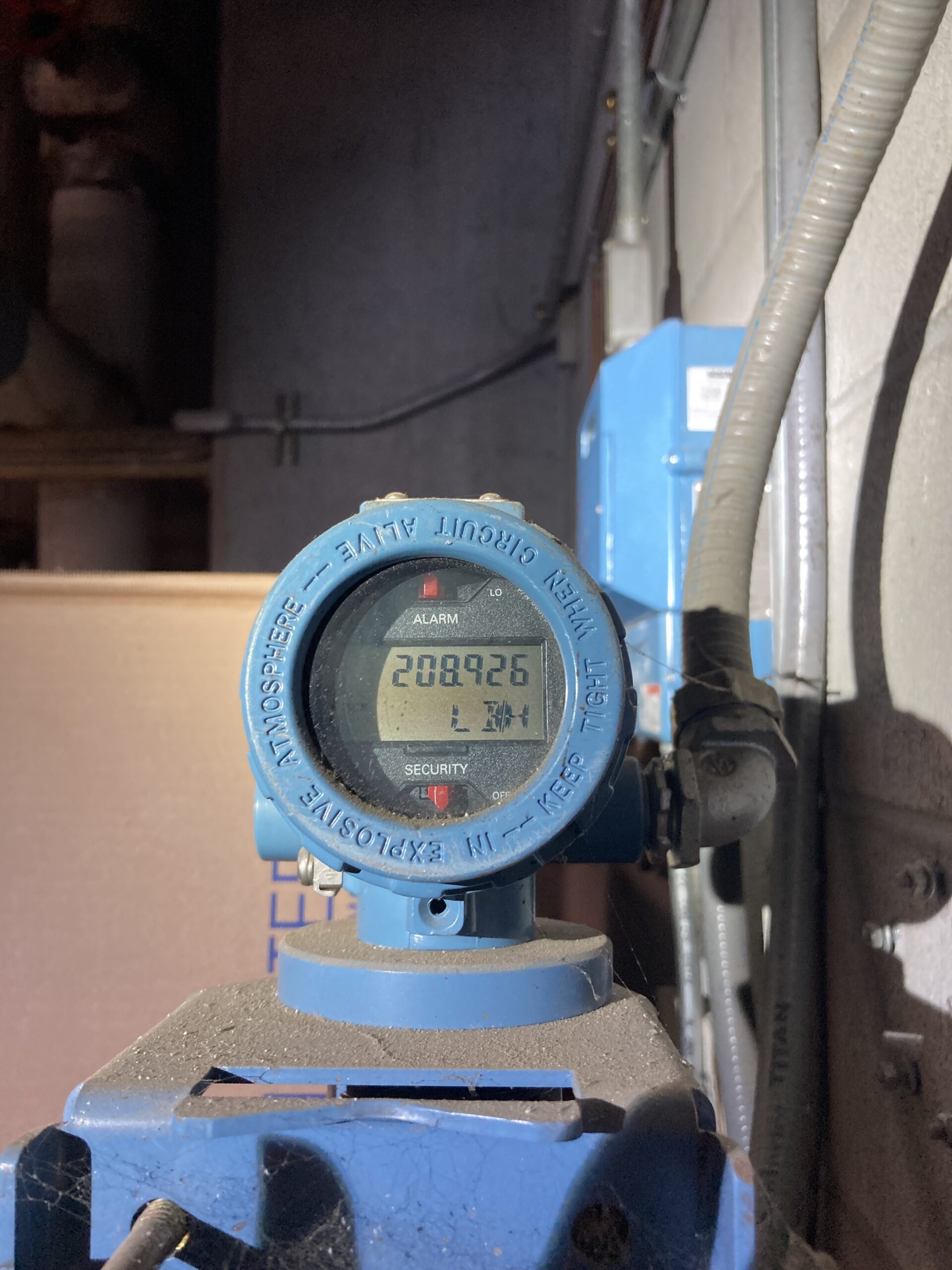
Rachel Porter, PhD candidate, investigated alternatives for reducing reliance on Stanford’s natural gas-fired steam plant.