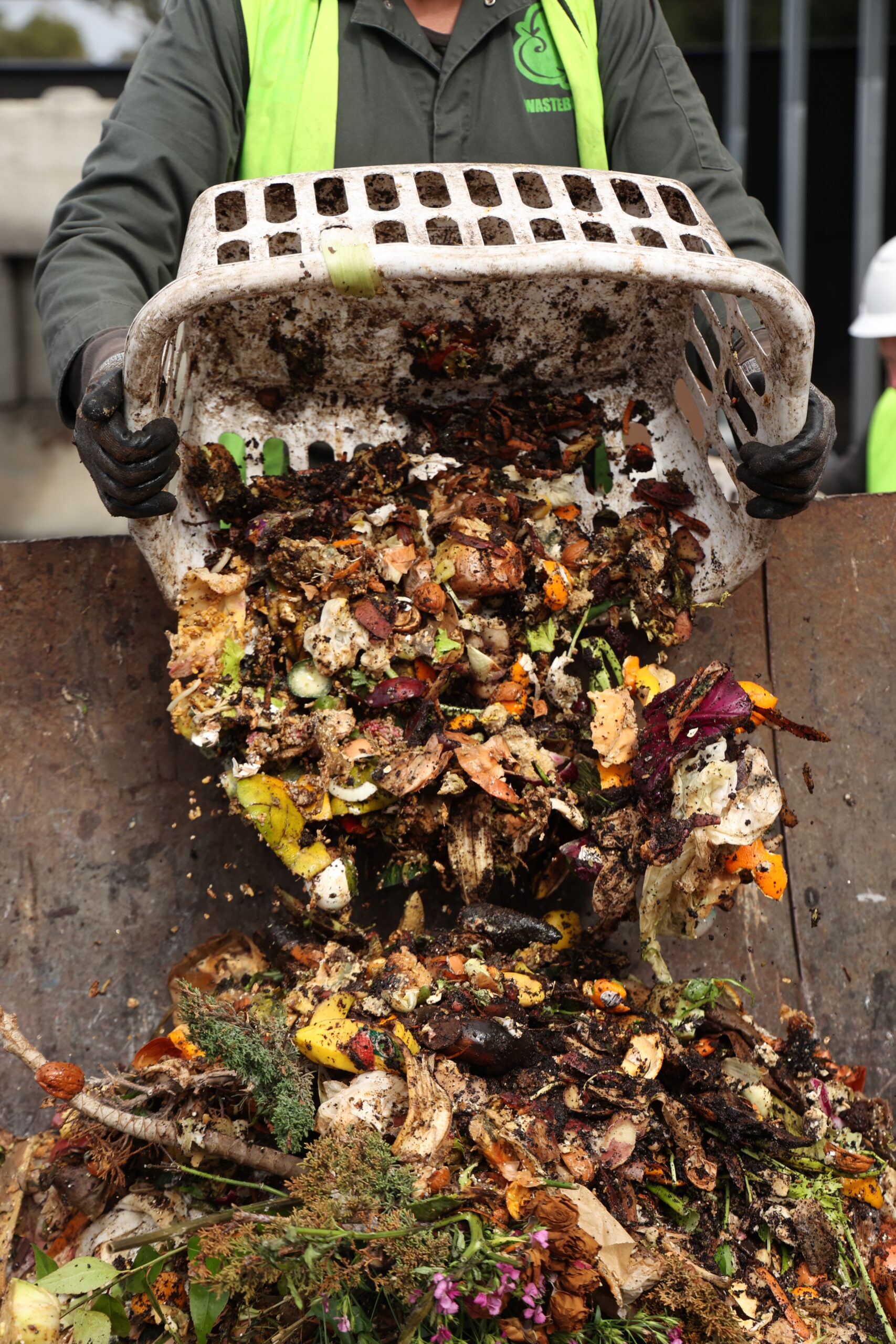
Digging Deep Into Dumpster Data
We’re building our zero waste playbook—starting with the stats. By hand-sorting our trash, we’re uncovering strategic cuts to the landfill.


Since 1998, Stanford has been tracking waste stats to power our game plan to reduce waste. Every season, we conduct a campus-wide waste audit—it’s like our scouting report on what’s still heading to landfill that could be reduced, recycled, or composted. By hand-sorting our waste, we can break down every play—uncovering the most valuable resources to devise our next move.



Here’s the 2024 recap: over 70% percent of what we send to landfill is still in play—meaning it can be reused, recycled, or composted. This data helps us refine our game plan to bring us closer to zero waste.
Check out the highlight reel of Stanford’s latest waste audit & gain a behind-the-scenes look at how the university’s zero waste team gathers data to drive progress.
Meet the starting lineup—the main players on campus who produce waste. Each player has their own stat sheet that helps us make the right game plan for sustainability.
2% Edible18% Edible34% Edible22% Edible46% Edible48% Edible7% EdibleThe ten most valuable resources in our landfill stream are the mis-sorted items sidelining our recycling and composting game. If we get these in the right bin, Stanford (and the climate) win.
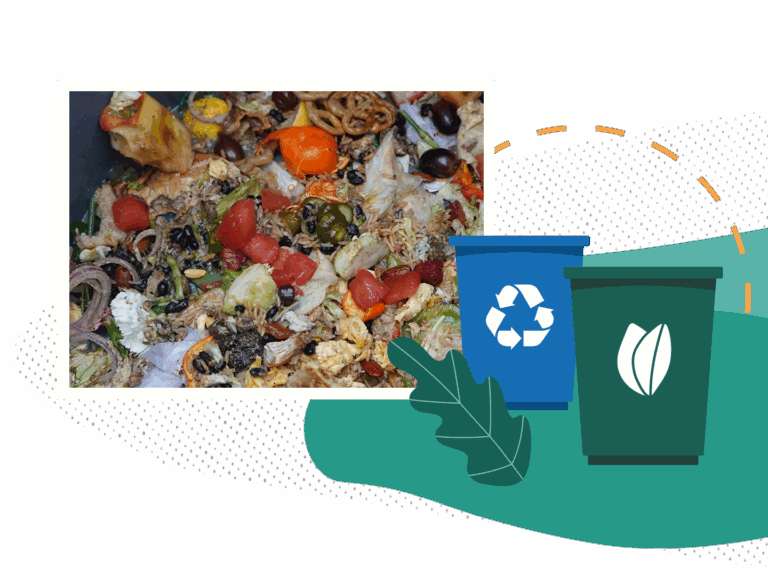
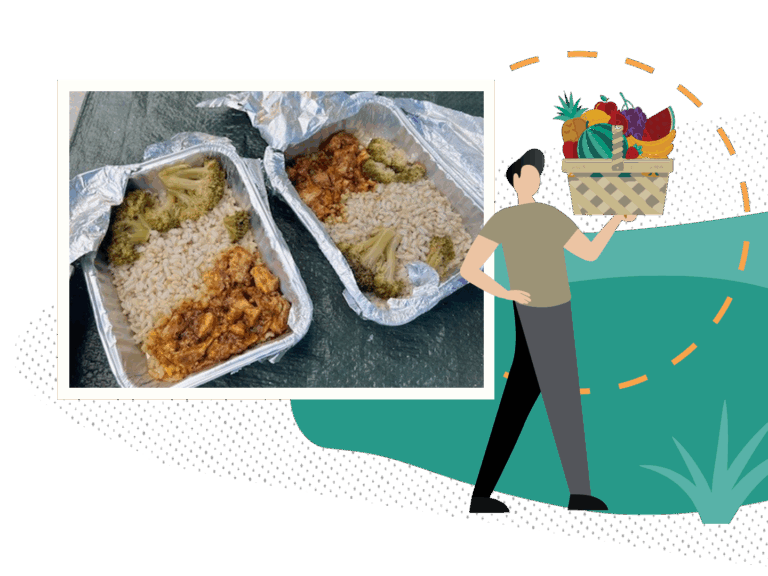
Food waste is the real game changer, representing 24% of what we send to landfill. Make the winning play by sorting food scraps into compost bins and help cut our climate impact.
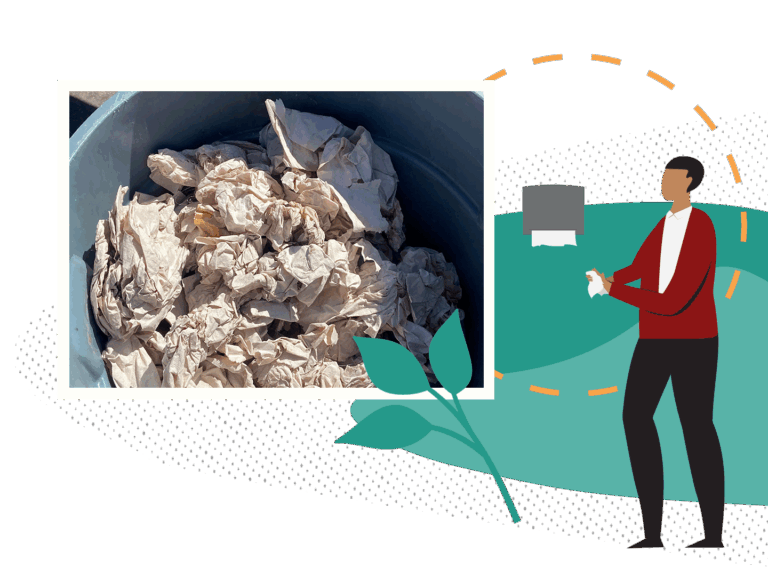
Coming in at a close second are paper towels, napkins, and other paper soiled with food—an easy layup for composting.
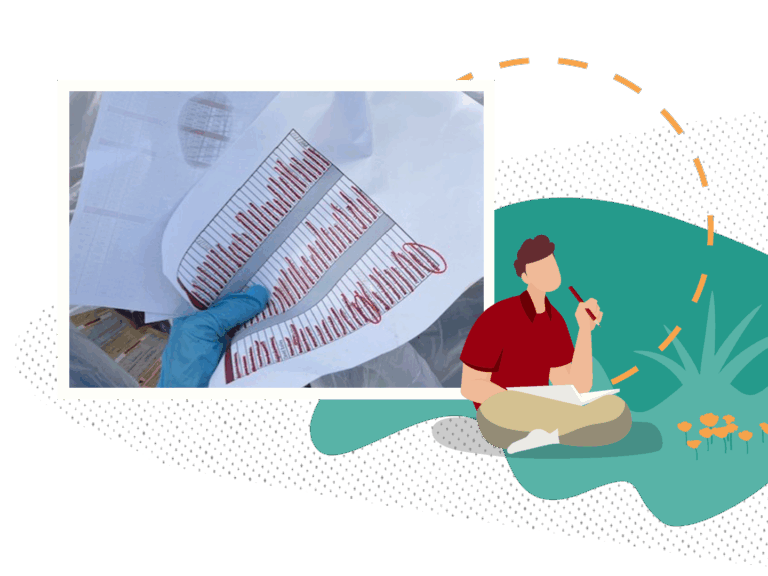
A slam‑dunk for recycling—office paper, mail, newspapers, and magazines should be passed on to the recycling bin.
Don’t fumble a perfectly good meal—save it for later or pass it on. Check the campus playbook for donating edible food.
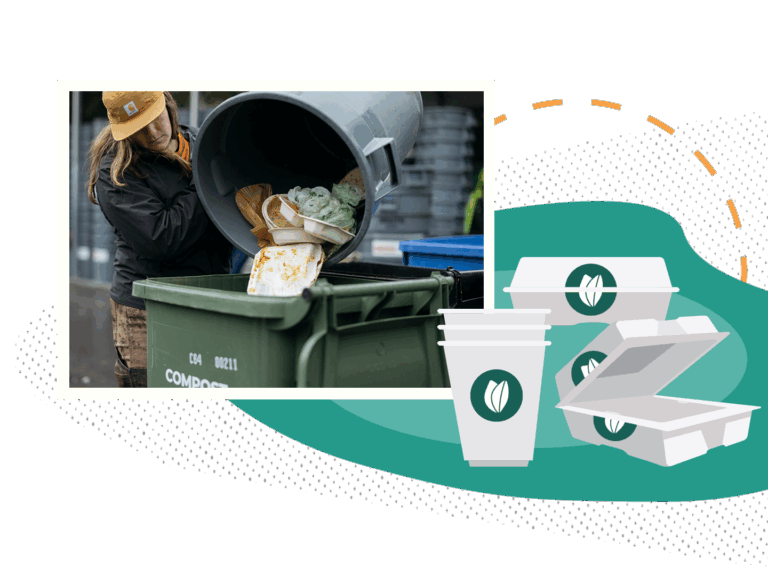
First-round picks for compost: paper plates, bowls, cups, and other paper food serviceware. Make the right call and check that it is labeled “compostable” before tossing in the green bin.
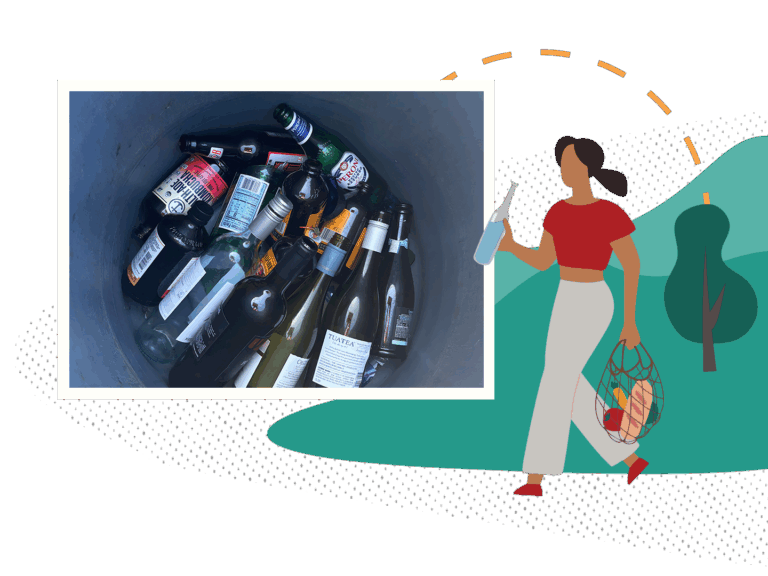
Keep these in bounds and out of the landfill—glass bottles and jars from juices to pickles to face creams are an easy layup for recycling.
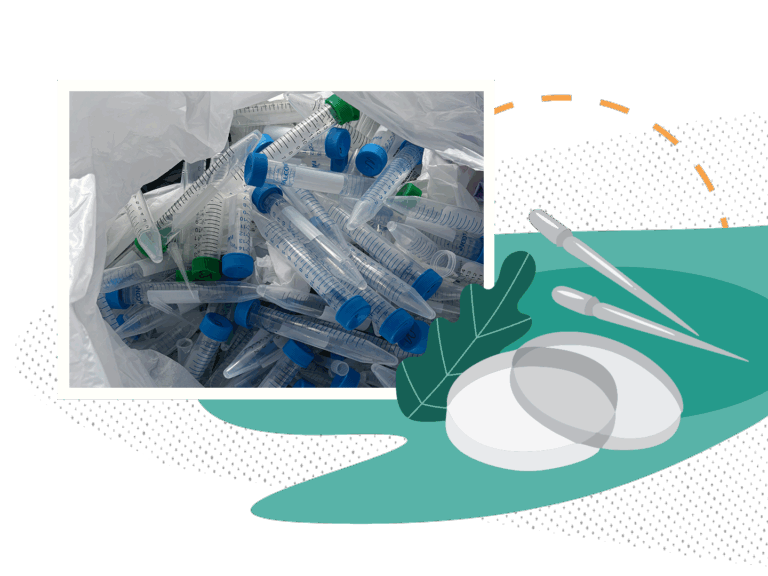
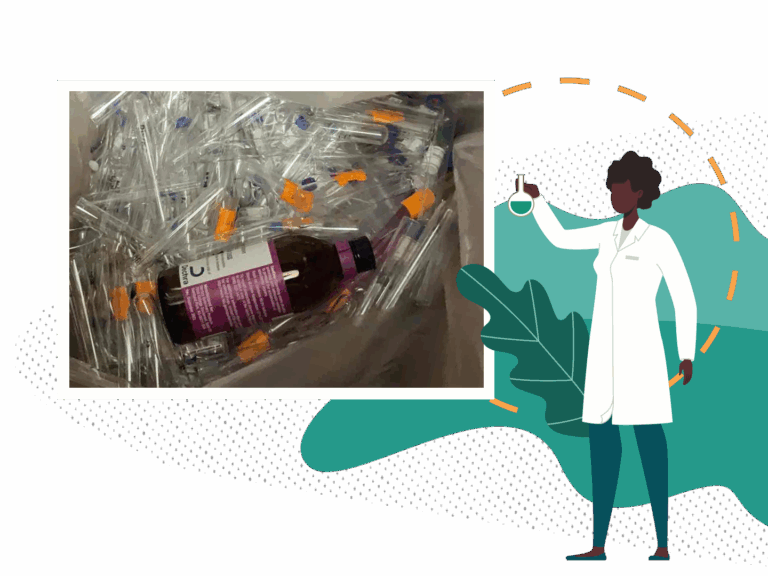
Pipette tip boxes, clean petri dishes, centrifuge tubes, and more can score points for the planet if they are recycled. Questions? Check the lab recycling playbook.
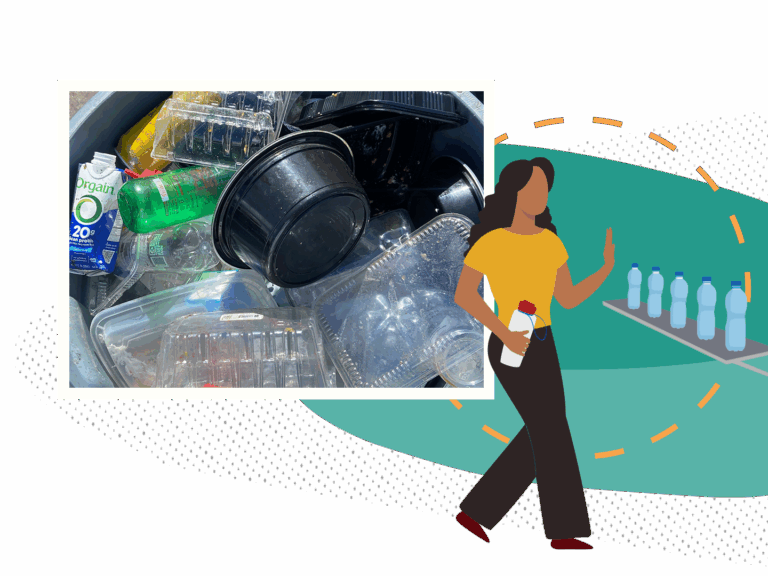
Don’t let your take-out fake you out—plastic food containers are a homerun for recycling. Scrape out food and take your shot.
Lab glass (like vials, beakers, and test tubes), when separated out, can score big as sustainable concrete.
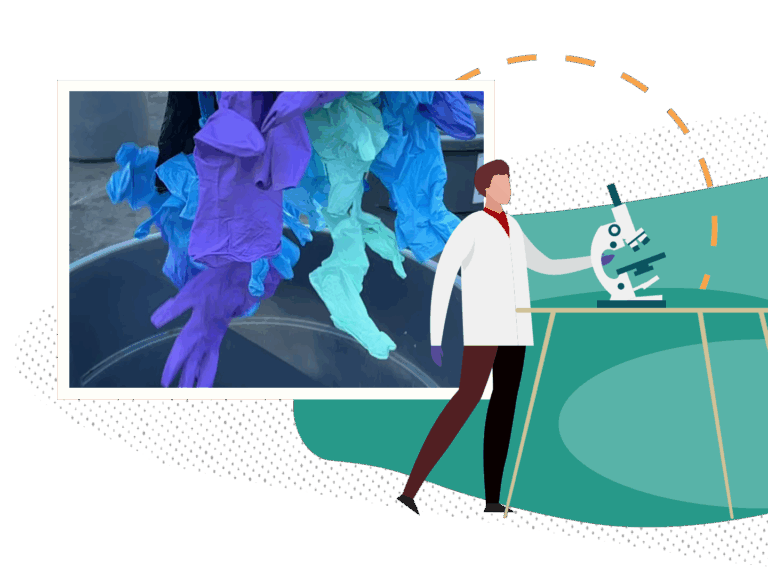
Single-use gloves close out our MVP roster. When they are clean and non-hazardous, we can run a separate route and turn them into energy.
Have a question about what goes where?
We’re building our zero waste playbook—starting with the stats. By hand-sorting our trash, we’re uncovering strategic cuts to the landfill.

Learn how to responsibly dispose of your waste with quick and easy tips.

Stanford’s recyclables are sent to an award-winning local facility with a material recovery rate of up to 85%.

Explore what happens when waste leaves campus.