Year in Review 2025
From orchestrating a sustainably-operated concert to expanding reuse and recovery focused initiatives, the year held a lot of “firsts” for sustainability at Stanford. Our latest …

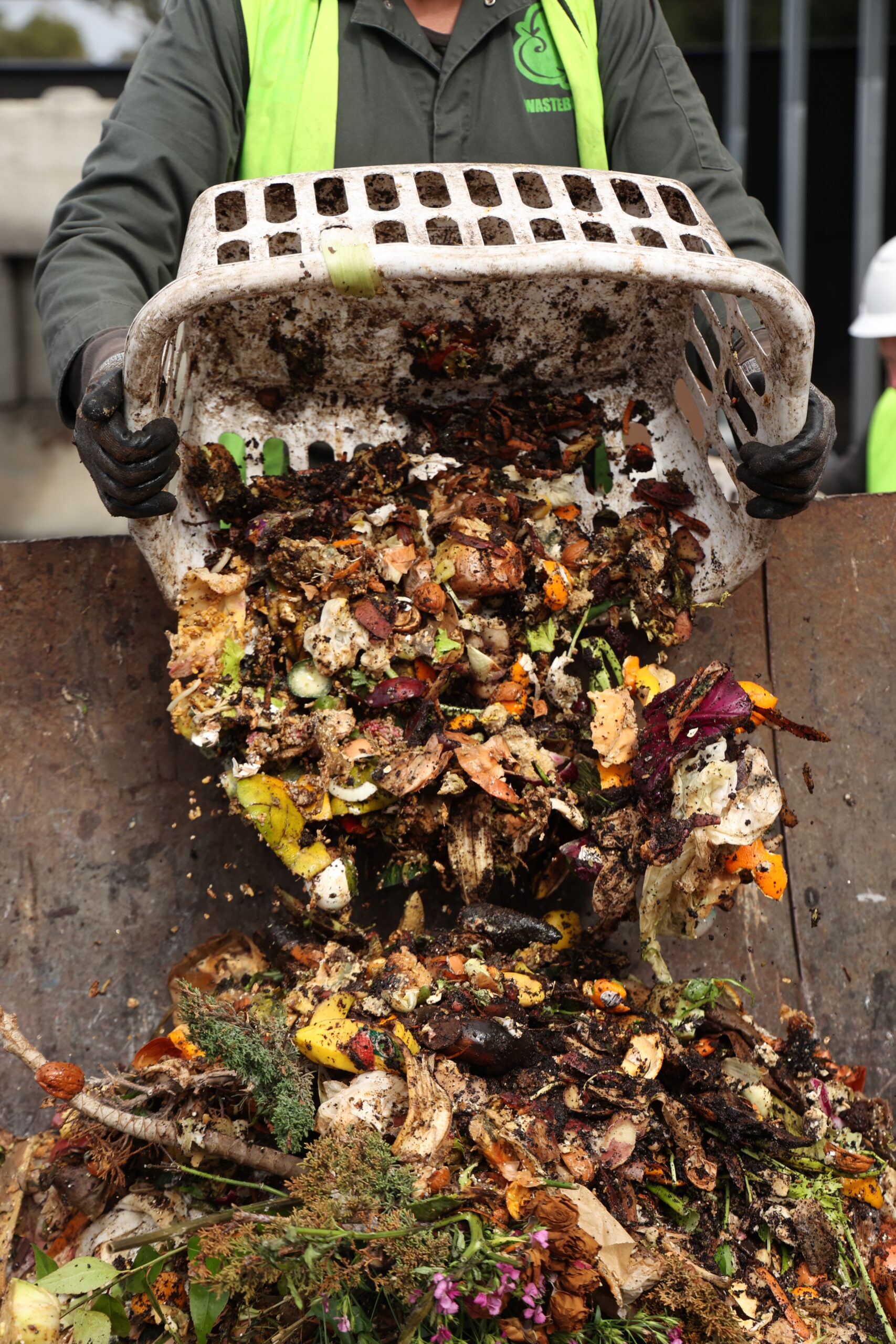
Data is the first step in creating a wasteless community. That’s why Stanford conducts regular waste audits to gain insight into what and where waste is generated on campus. These audits inform the playbook for achieving the university’s zero waste goals.
During these audits, material is meticulously hand-sorted into dozens of categories to identify the primary contaminants. The latest landfill waste audit revealed nearly 75% of what we throw away could have been reused, recycled, or composted if sorted correctly.
“This data-driven process helps us make smart and sustainable decisions about how we manage Stanford’s waste.” said Julie Muir, the associate director of zero waste systems via Stanford Report (read full article).
To make this insightful data more engaging and accessible, a creative approach was taken to bring the waste audit to life. A dynamic 90-second video condenses the information while incorporating storytelling elements to engage viewers.
“While our comprehensive audit report spans over 130 pages, we aimed to present the information in a way that is easily digestible and more engaging,” says Muir.
The video serves as a highlight reel of the waste audit, while the Sustainable Stanford website features key charts from the report. These visual aids include a breakdown of the contents in the landfill stream, categorizations by campus sector, and a list of the top ten mis-sorted items.
In another big step towards creating a wasteless community, Stanford conducted its first-ever audit of recycling and composting streams in 2025.
“This underscores that our efforts extend beyond simply reducing landfill waste; we are also committed to identifying opportunities for reducing waste overall, even if the material could be recycled or composted,” Muir emphasized.
This data shows that campus recycling and composting streams are incredibly clean, with a minimal number of items being incorrectly recycled or composted. This high level of sorting accuracy not only helps ensure that materials are effectively transformed into new products, but it also helps ensure that we create high-quality compost capable of enriching soil and growing good food to eat.
Student Haley Chu, a data analysis intern for the Office of Sustainability, demonstrates how she is able to take action on the audit data. “In my intern project, I was able to use data from key athletic facilities to identify main sources of contamination in the landfill, which allowed us to identify the teams and groups within athletics to work with towards a solution.”
The university’s audit data is not just a collection of statistics; it is driving our roadmap for the next decade of zero waste initiatives for climate action.
waste diverted from landfill
meals donated to the local community
sorting accuracy in our recycling bins
tons of material reused from Big Swap events
From orchestrating a sustainably-operated concert to expanding reuse and recovery focused initiatives, the year held a lot of “firsts” for sustainability at Stanford. Our latest …
The university earns STARS Platinum in version 3.0, the highest score under the sustainability rating system.

Stanford Travel/Study, an educational travel program for alumni and friends of the university, is tackling plastic waste trip by trip.