Students Shape the Future of Stanford Transportation
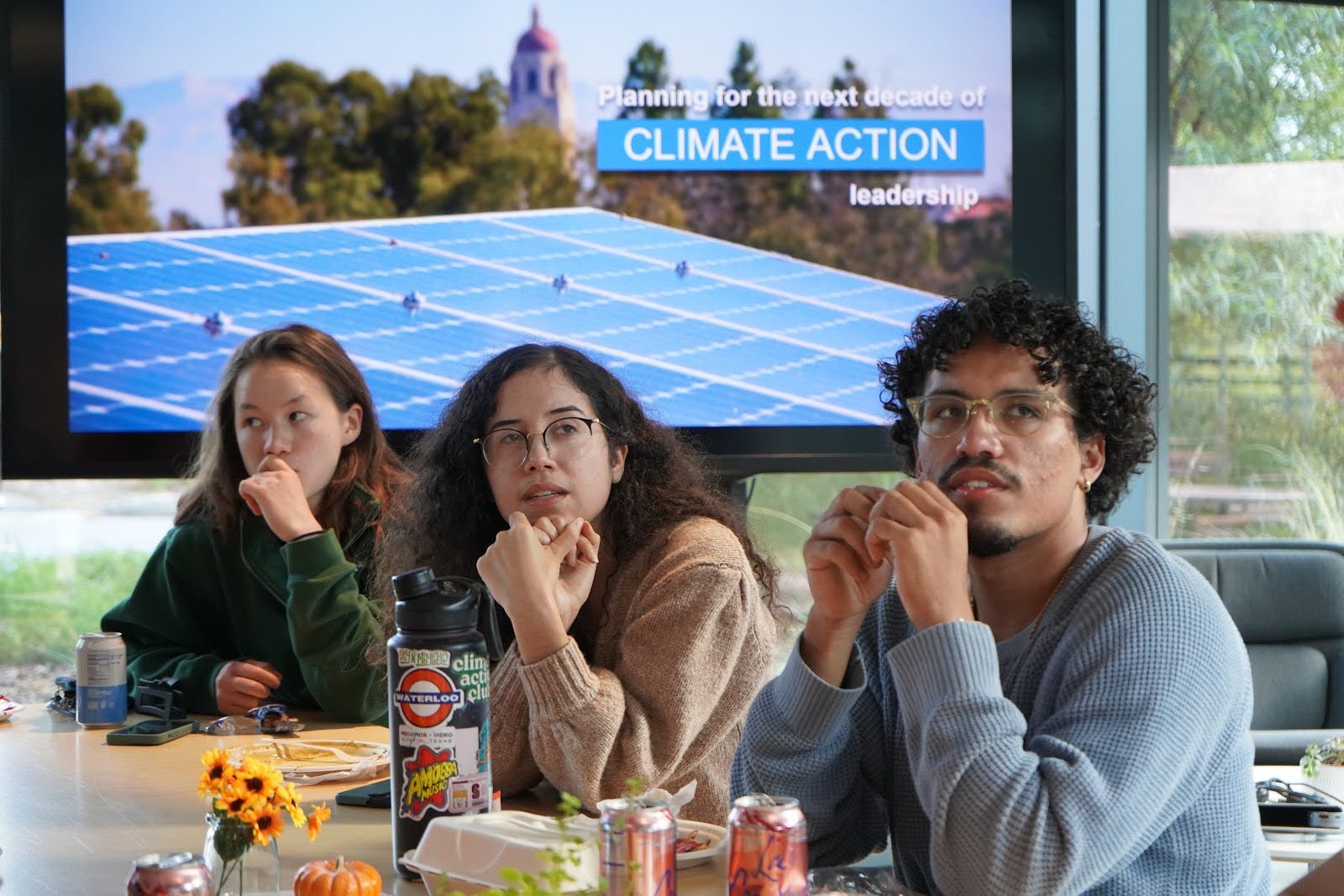
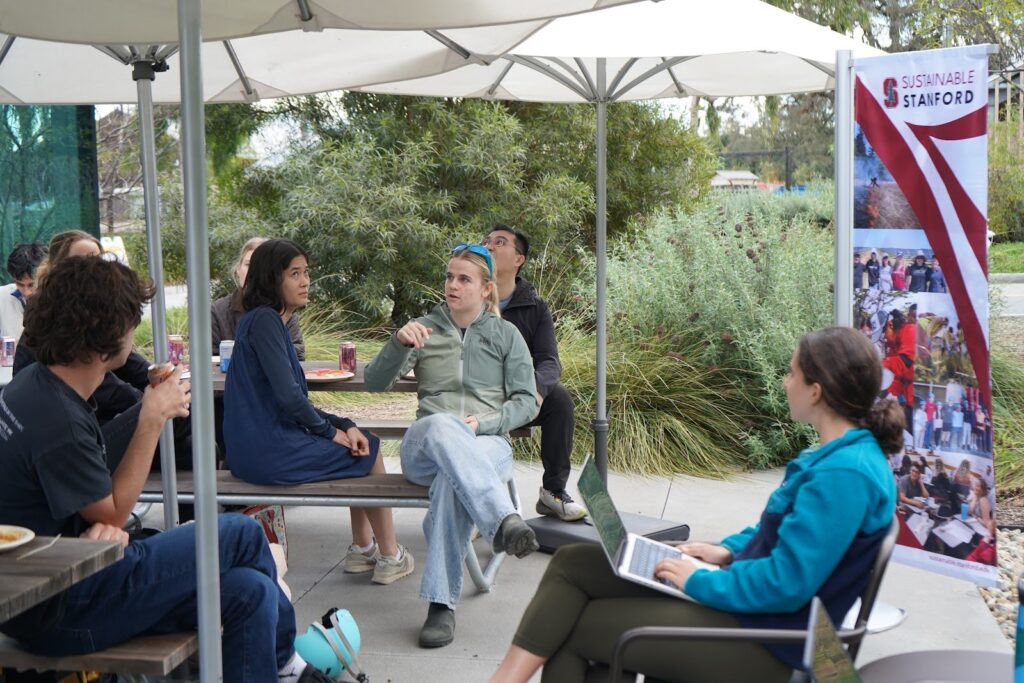
On a rainy Friday afternoon, a group of more than 50 undergraduate and graduate students participated in a transportation focus group. Students lined up outside the door, eager to share their thoughts on Stanford’s transportation system despite the cold wind and rain. The turnout rate was high, and the discussions were lively and productive. This joint effort by Stanford Transportation and the Office of Sustainability was led by Kaitlyn Sanchez, a Community Engagement intern gathering feedback for the climate action plan. For over a year, Kaitlyn’s work in the Office of Sustainability revolved around gathering and understanding people’s input about Stanford’s transit system, among other topics. She coordinated between departments to plan and facilitate the Focus Group discussions.
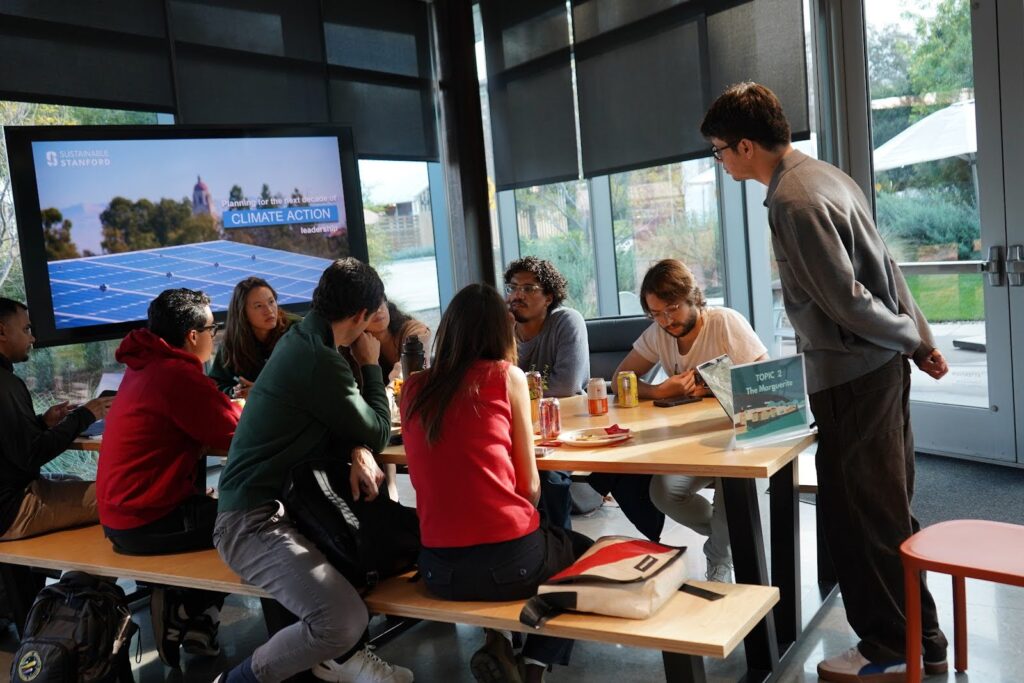
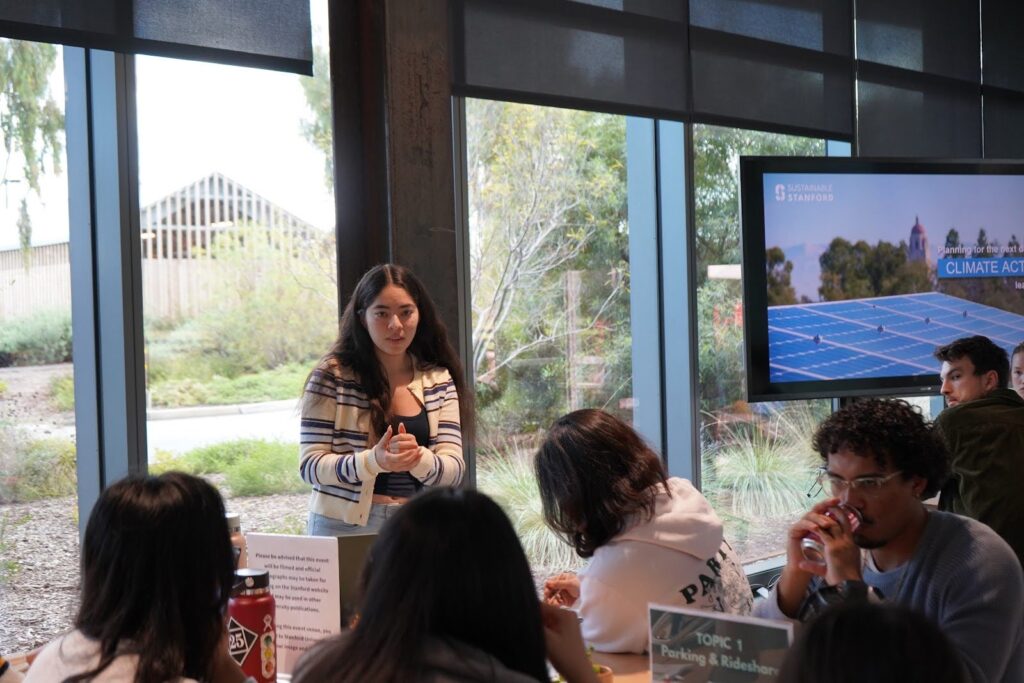
The Transportation Focus group split the students into three sections, each centered on a different issue: 1) Biking and Communications 2) Marguerite Bus Services 3) Parking and Rideshare options. Facilitators asked each group for their opinions on enhancing the transportation experience on campus, the factors influencing their use of Marguerite buses, and parking permit options. Sanchez, who also led one of the discussion sections, shares that “hosting these focus groups has been super helpful since people have a lot to say about transportation. Collecting student feedback on how we can make commuting easier while prioritizing positive environmental impacts for the future is our main goal.”
In return, Stanford Transportation outfitted participants with their own Stanford-branded bike helmets to protect them from injury. Lesley Lowe, Executive Director of Stanford Transportation, shares how these insights will shape the department’s future policies: “These focus groups help us make the small changes first, and then we can start thinking about the bigger issues we need to address in our future planning.”
The focus group was a successful effort to learn directly from the people who use Stanford’s transportation network daily, and demonstrates a commitment to addressing the needs identified within a system. Pursuing sustainability can create opportunities for students and staff members to collaborate and improve the systems that we rely on to live, work, and learn on campus.