
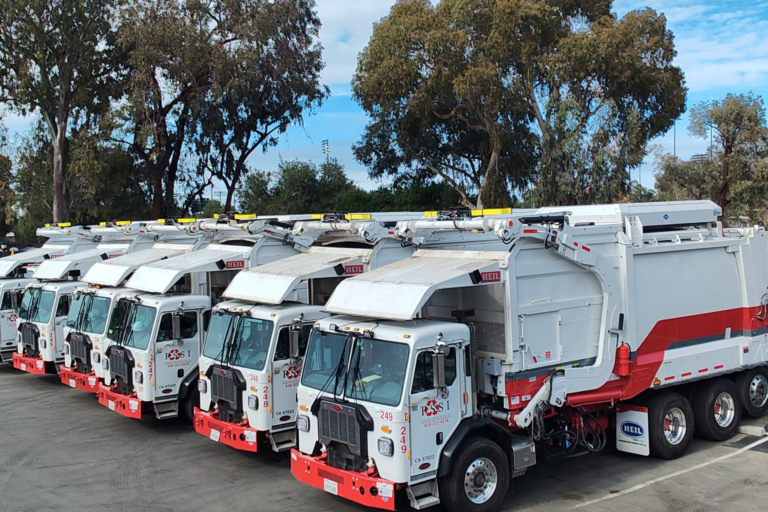
Stanford’s Quiet Leap Towards Sustainable Waste Collection
New campus fueling station makes waste operations more efficient and sustainable.

When the Gates Computer Science Building was built in 1996, it was a model in state-of-the-art, energy-efficient design. The envelope includes solar control, double pane glass, overhangs for shade, a variable air volume (VAV) system, and operable windows with VAV interlock switches that shut off air to the room when the windows are open. In 2007, Stanford upgraded the control system to the best available in the 2000s.
This year, a major remodel project provided an opportunity to make sure the building is operating as efficiently as possible by current standards. With funding from the Energy Retrofit Program, we added all the Gates systems (air handlers, VAV boxes, thermostats, and window interlocks) to our campus N4 DDC network. We also retro-commissioned HVAC economizers and provided the ability to set back heating and cooling when rooms are unoccupied. These measures are estimated to save $78,000 per year in energy costs.
New campus fueling station makes waste operations more efficient and sustainable.

The School of Medicine turns smart energy projects into lasting savings, with the help of energy rebates offered through Stanford’s Facilities Energy Management team, leading to over $2.7 million in annual savings for the university.

The SESI program transformed the university’s energy system into one that’s safe, sustainable, and resilient and serves as a model for the world.