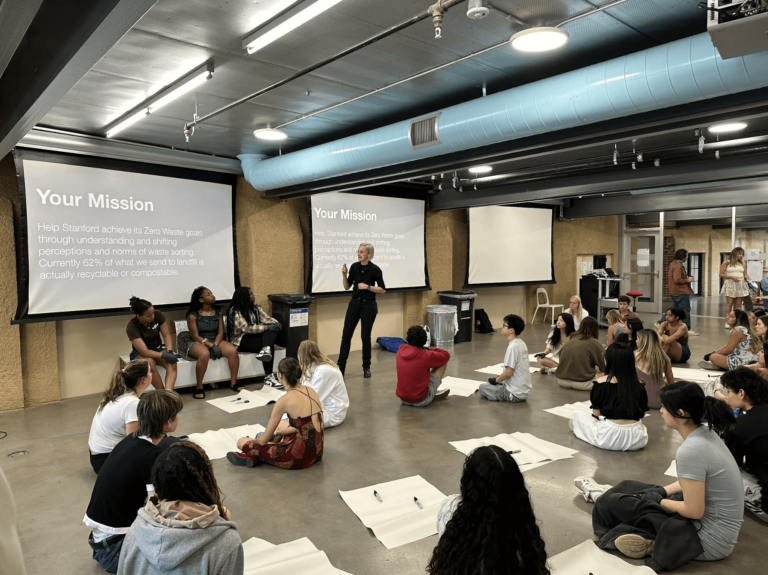
Stanford Zero Waste x Design 1 Collaboration
Stanford’s Office of Sustainability partnered with the d.school’s Design 1 course to inspire over 200 student-driven solutions aimed at promoting waste sorting and a zero-waste campus culture.

Stanford’s Office of Sustainability partnered with the d.school’s Design 1 course to inspire over 200 student-driven solutions aimed at promoting waste sorting and a zero-waste campus culture.

Sam Bunke, PhD candidate in chemical engineering, developed a framework for addressing waste justice in Stanford’s programs.

Since 2022, Béline Falzon has transformed event planning at the King Center by championing sustainable food choices, reducing single-use plastics, and making waste sorting easier.
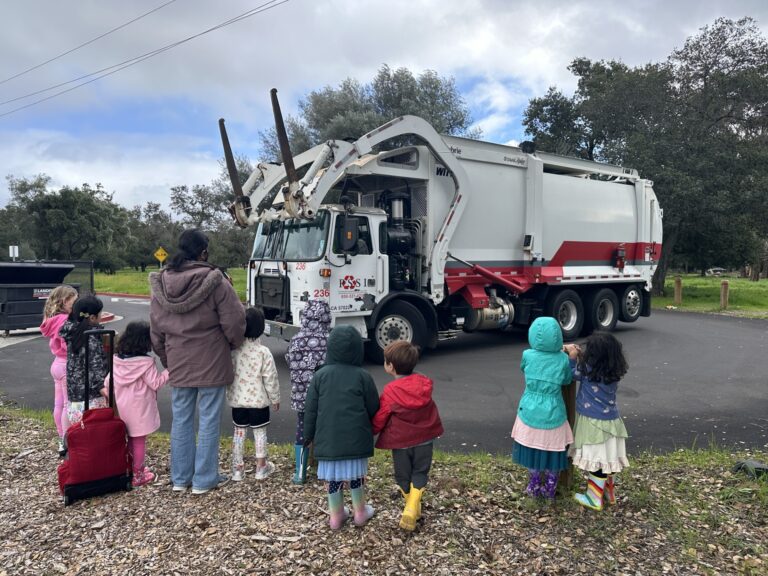
To help celebrate Earth Day, the Office of Sustainability hosted visits of PSSI’s waste truck at child care centers on campus.
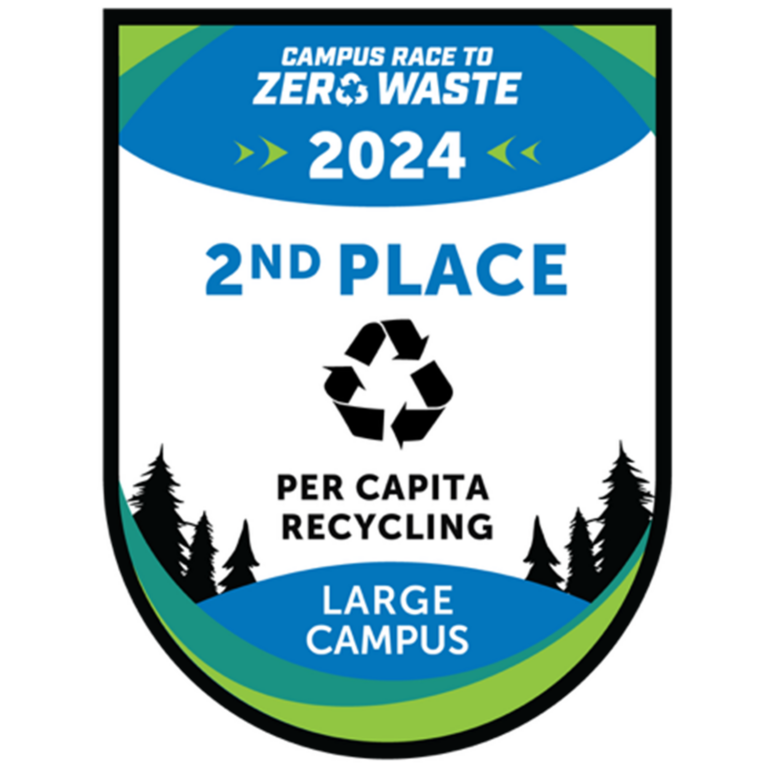
In 2024, Stanford placed second in both the Per Capita Recycling and the Food Organics categories for large universities.

Carol Richards, a teacher at Stanford’s Arboretum Children’s Center, is inspiring the next generation of environmental stewards by turning composting, gardening, and creative reuse into hands-on lessons about sustainability for preschoolers.
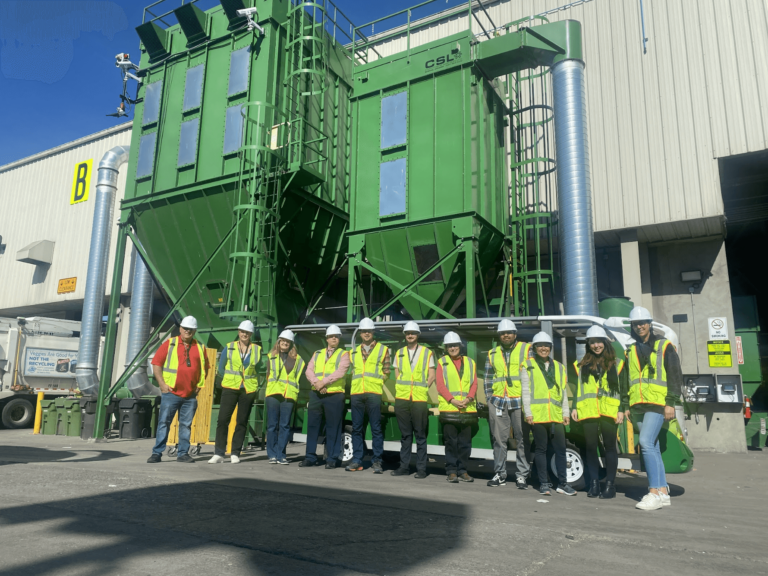
As of September 2023, Stanford’s recyclables are processed at the GreenWaste Material Recovery Facility, where at least 85% of materials are recovered.

Reduce your environmental impact while participating in or viewing sports events on campus.
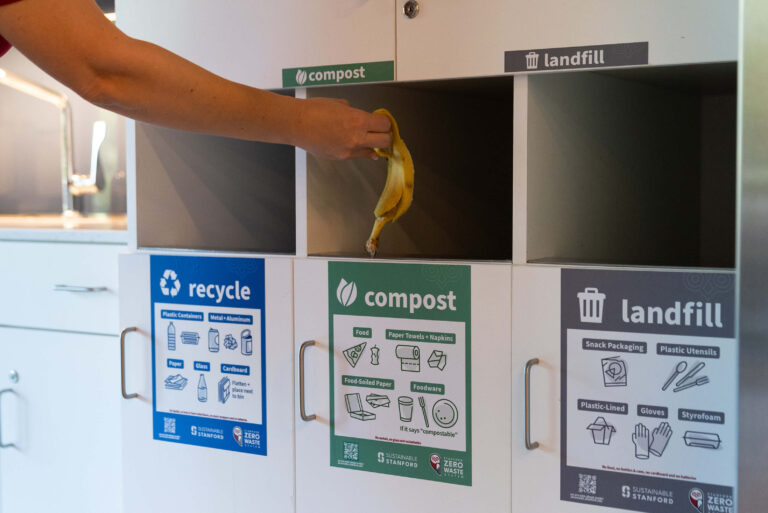
Thanks to collaborative campus efforts, Stanford won first place for in Food Organics and second place for Recycling Among Large Campuses in the 2023 Campus Race to Zero Waste.

Edward Florendo, animal care supervisor at the School of Medicine, partnered with Stanford’s Office of Sustainability to turn a hard-to-recycle plastic into a recyclable material.