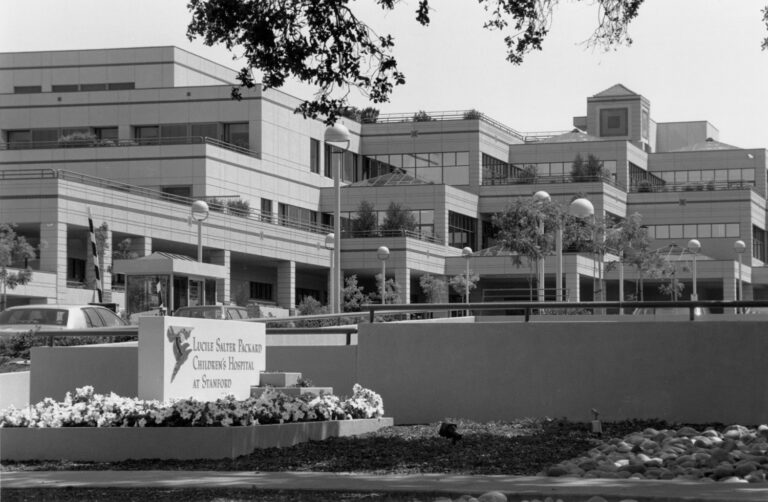
Lucile Packard Children’s Hospital Reduces Energy Use
Lucile Packard Children’s Hospital is saving $500,000 annually by using outside air for cooling and upgrading to LED lighting, cutting energy use by 48%.

Lucile Packard Children’s Hospital is saving $500,000 annually by using outside air for cooling and upgrading to LED lighting, cutting energy use by 48%.

LBRE’s OCx program boosted energy efficiency in 2023, saving over $4,000 annually at Wallenberg through no-cost control system adjustments.

Stanford’s iconic Green Library received upgrades that slashed energy use while ensuring year-round comfort.
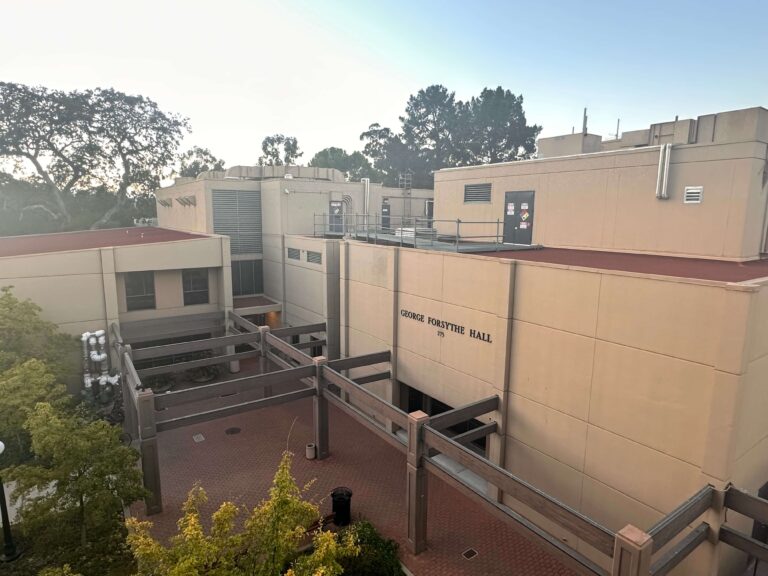
An energy audit of Forsythe Hall revealed uneven airflow, leading to a $90,000 annual savings after upgrading air control systems and economizers

Stanford is reimagining energy solutions across campus, with updates to key buildings like Lucile Packard Children’s Hospital and Green Library.

Stanford’s new contract with PSSI introduces a fleet management system that uses cameras, sensors, and AI to improve safety, monitor contamination, and optimize waste diversion.

A new enzyme-infused foam to clean air handling coils showed potential for improved energy efficiency and reduced energy use.

Campus water policies minimize waste and follow California guidelines for water efficiency.

The Cooler Research Program offers data on chilled water management.

The Computer Science Building was remodeled to decrease energy usage.