
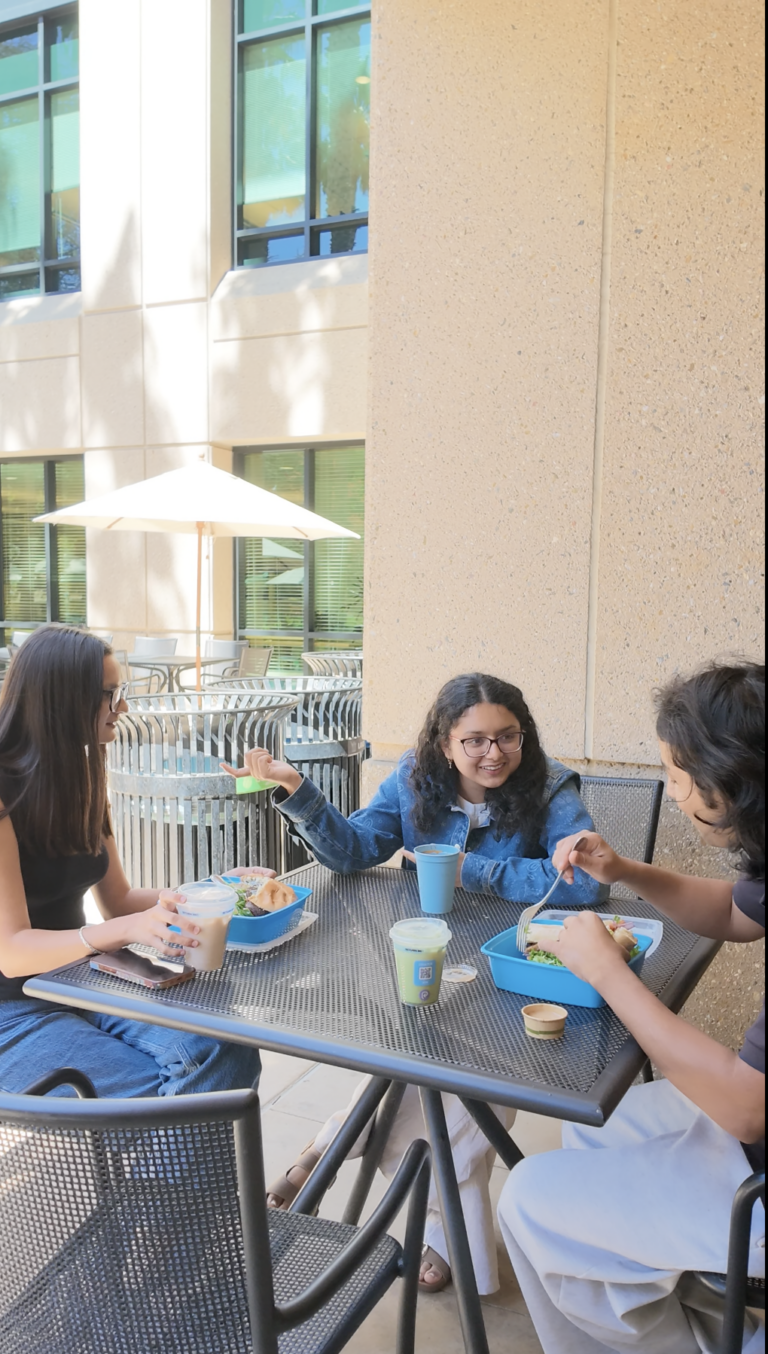
Bringing the Future of Takeout to Campus
Meet Astha Bhandari ‘26, the Sustainable Stanford fellow getting campus cafés to rethink takeout.

The Advancing Sustainable and Equitable Commuting Through Website Design project coincides with the migration of the Stanford Transportation website, providing a unique opportunity to entirely rethink how Transportation communicates its information to the community and the public. Transportation has a wealth of information on its impact on sustainability and equity, but this information is not reflected in its digital presence. Transportation is focused on facilitating community-wide behavioral changes towards more sustainable commute practices and bolstering sustainability conversations with its many years of expertise.
Using human-centered design principles and behavior change tactics to transform online communications, Transportation can provide sustainability messaging and resources to the Stanford community and lay the groundwork needed for individual and collective change.
The impact of the project on commute choices at Stanford will take time to assess, as commute data is published annually and many external factors influence behavior. However, key findings highlighted the importance of incorporating clear narratives into the Transportation website to help community members visualize sustainable commute changes, a strategy absent from other universities’ websites. In addition to creating content that encourages sustainable commuting, the project connected Transportation to the Living Lab Fellowship Program and integrated its sustainability efforts into broader university communications and initiatives, such as those at the Stanford Doerr School of Sustainability.


I had a highly supportive and responsive team, with valuable feedback from mentors and enthusiasm from the Transportation team. The main challenges were pacing the work due to the unpredictable website migration timeline and balancing behavior change strategies with individual commuting circumstances. This experience deepened my understanding of promoting sustainable behavior change in complex areas, which I hope to apply to future projects.
The website migration is ongoing, and the content and strategies developed are still being implemented, with plans to expand Transportation’s online influence and sustainability messaging. Transportation also aims to test the effectiveness of the communication strategies in the future.
PRIMARY PARTNER: Stanford Transportation
COLLABORATING PARTNERS: Stanford Transportation Teams, Active Transportation, Transportation Demand Management, Communications

Samantha (Sammy) Puckett (she/they) is a second year M.S. candidate in Mechanical Engineering with a B.S. in Product Design. Sammy is passionate about combining design and engineering to create more equitable, dynamic products and systems for under-served populations, which she explored in both her undergraduate senior and master’s capstone projects. Outside of academics, Sammy spends much of her time working on graphic and/or web design projects for small businesses, most recently collaborating on an activity-based specialized education program. As a Living Lab Fellow, Sammy is excited to work with the Stanford Transportation team and leverage her design skills to help create a wealth of digital resources that encourage more sustainable and equitable travel for and within the Stanford community (and finally get more people to ride the Marguerite).


Meet Astha Bhandari ‘26, the Sustainable Stanford fellow getting campus cafés to rethink takeout.
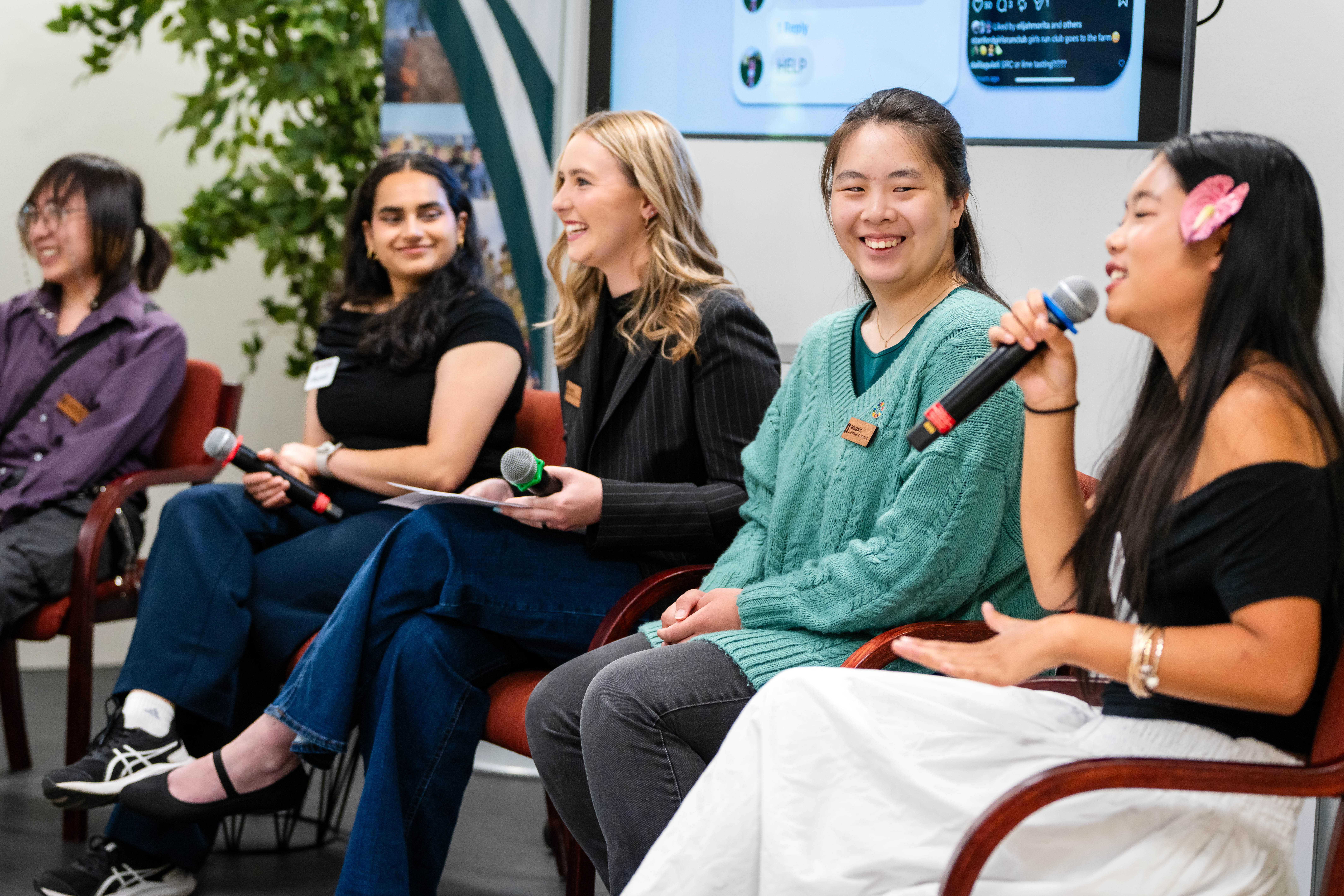
From stakeholders’ willingness for trade-offs to a green game plan, the student interns and fellows presented on their operational accomplishments from the year.
Four Sustainable Stanford students awarded for their leadership, scholarship, and community-building.