
Building a Sustainable Home for Stanford Graduate School of Education
Stanford’s ambitious renovation of the Graduate School of Education blends sustainability with historical preservation, incorporating reduced waste and energy efficiency.

Stanford’s ambitious renovation of the Graduate School of Education blends sustainability with historical preservation, incorporating reduced waste and energy efficiency.

This test event has every option on every category selected. Lorem ipsum dolor sit amet, consectetur adipiscing elit, sed do eiusmod tempor incididunt ut labore …

Californians are no strangers to wildfires. As the scientific community searches for answers to prevent fire before it happens, Stanford is testing a “BurnBot” that can create fuel breaks.

Doctoral student Eleni Alexandraki, B.S. ’19 and M.S. ’21, developed a set of Whole Building Life Cycle Assessment Guidelines for her Living Lab Fellowship Project.

Stanford’s Conservation Program is testing a cutting-edge “BurnBot” to improve wildfire management, using controlled burns to create fire breaks and support ecosystem health.

A new study on embodied carbon in construction materials led to new guidelines to help the university meet its net-zero emissions goal by 2050.
In its inaugural year, the Living Lab Fellowship Program fostered cross-campus collaboration, hands-on learning, and lasting impact through 16 student-led operational sustainability projects.

Zander Opperman developed a fire management plan for the Jasper Ridge Preserve as part of his Living Lab Fellowship.
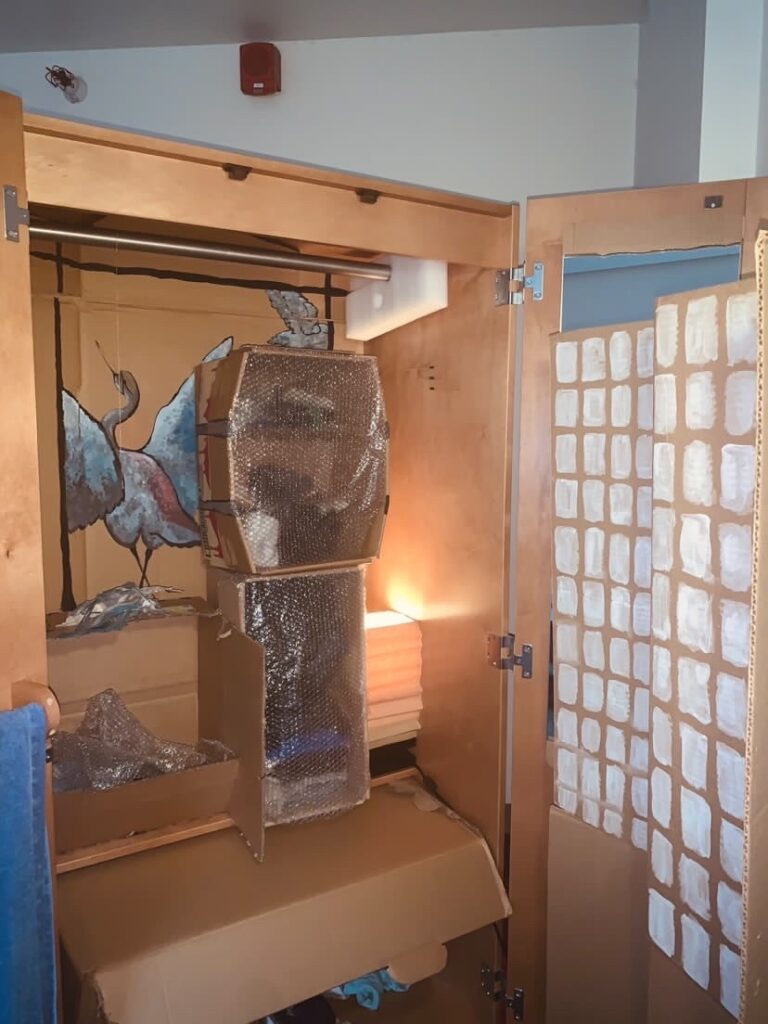
Stanford student Sierra Horangic repurposed packaging waste into custom furniture and inspired others to reduce waste and get creative with recycled materials.
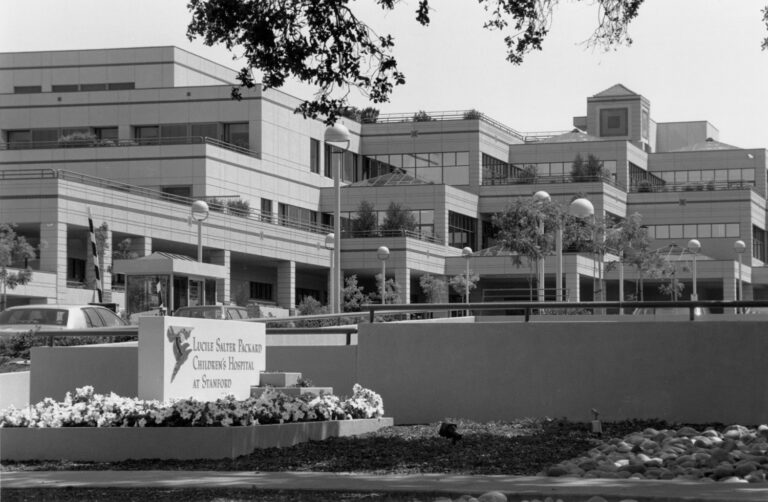
Lucile Packard Children’s Hospital is saving $500,000 annually by using outside air for cooling and upgrading to LED lighting, cutting energy use by 48%.